Adjustable vs Fixed Dumbbells for a Small Home Workout Space
Choosing between adjustable vs fixed dumbbells? Compare space, weight changes, comfort, noise, durability and ease of use for practical home strength training.
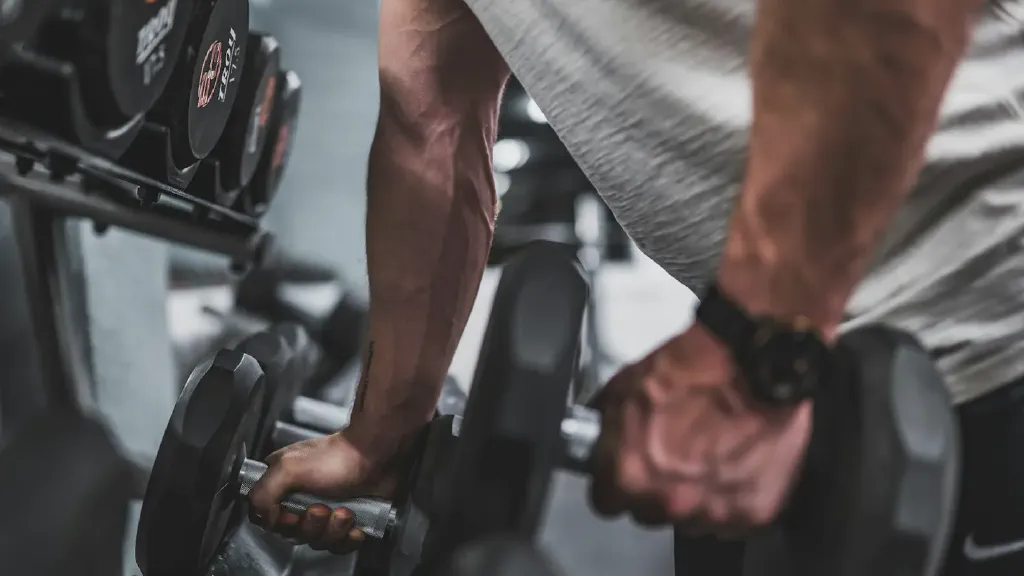
If your workout area is also a living room, bedroom or narrow corner, choose adjustable dumbbells unless you have a clear reason to keep several fixed pairs. One adjustable pair can cover many exercises and weight increments in roughly 2 to 5 square feet, while a useful fixed collection may need 10 to 25 square feet or more once a rack and access space are included.
That does not make adjustable dumbbells automatically better. Fixed rubber or urethane dumbbells are simpler, often quieter in use and ready to lift immediately. Selectorized dumbbells sit between the two: they offer fast changes without loose plates, but the mechanism can add cost, weight and handling rules.
Adjustable vs fixed dumbbells: the short answer
For most beginners with limited room, adjustable dumbbells are the more practical starting point. They let you begin with manageable resistance and increase the load as your technique and strength improve. They also reduce the temptation to fill a small room with pairs you may not use often.
Fixed dumbbells are the better choice when you value instant transitions, train with several people, perform frequent supersets or want equipment with minimal adjustment hardware. They are also attractive if you already know the handful of weights you use most.
A hybrid setup can work well later: use an adjustable pair for the broad weight range, then add one or two fixed pairs for common exercises or fast-paced circuits.
Storage: the decisive difference in a small home
An adjustable dumbbell replaces several individual pairs. A selectorized pair usually sits in a dedicated tray, while a plate-loaded design stores plates and collars alongside the handles. Either approach is substantially easier to fit into a cupboard, under a desk or beside a bench than a full fixed rack.
Fixed dumbbells need more planning. A single pair is compact, but a full-body routine may call for light weights for raises, medium weights for pressing and rows, and heavier weights for squats, hinges and carries. Ten pairs on a rack can occupy several feet of wall or floor space. Keep a clear area around the equipment so you can pick up and return weights without twisting or stepping over other items.
The supplier-listed The supplier listing describes these as cement-core hex dumbbells with a rubber-encased, anti-roll design. That format is straightforward for home users: select the pair, train and return it to storage without changing plates or checking a selector. The rubber exterior may help reduce impact and floor noise compared with bare metal, but a mat is still sensible and the listing does not establish a specific noise level. Best for People who want a simple fixed pair for regular strength work and prefer an anti-roll shape. Confirm before inquiry: These are supplier-listing claims. Confirm available weights, dimensions, coating details and handling guidance before ordering.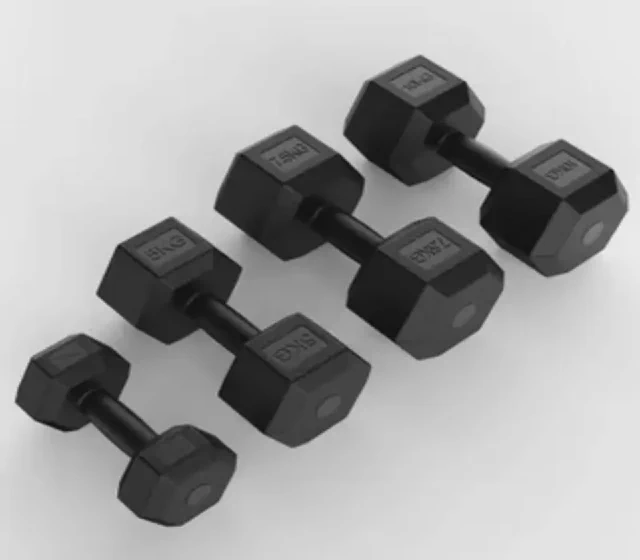
Commercial Eco Cement Core Hex Dumbbells, Low Noise Shock-Absorb Rubber Encased Anti-Roll Weights for Gym Studio Strength Gear
View product listing
Weight changes and workout flow
Fixed dumbbells require no adjustment. You simply move from one pair to the next, which is useful for circuits, drop sets and workouts where the clock matters. There are no plates to remove and no selector to return to its base.
Adjustable models introduce a pause. Plate-loaded handles require you to change plates and secure collars. Selectorized models can change in seconds, but both dumbbells generally need to sit squarely in their trays or cradles. That is convenient for ordinary straight sets with rest between exercises, but it can interrupt a long drop set.
For most home beginners, the pause is minor. A controlled set with one to three minutes of rest does not become ineffective because changing weight takes a few extra seconds. If you plan timed conditioning or frequent supersets, fixed pairs may make the session feel smoother.
Comfort and handling
Fixed dumbbells usually have a familiar proportion: the handle and heads are designed as one permanent unit. That can feel balanced during presses, rows and curls. Rubber, urethane or PVC coatings may also make the heads more comfortable to place on the floor, although the handle finish remains important.
Some adjustable dumbbells have a longer handle even at light settings. The extra length can brush your legs during lunges or feel awkward during curls and shoulder work. Others use a bulky central housing or selector. Check photographs, handle dimensions and the return policy where available rather than assuming every adjustable model feels like a standard dumbbell.
Grip matters too. A smooth handle may become difficult when your hands sweat, while an aggressively textured one can irritate the palms during high-repetition work. People with smaller hands, limited grip strength or wrist concerns should pay particular attention to diameter and surface.
The supplier-listed The supplier listing describes a textured-surface dumbbell with PVC or rubber coating. A textured exterior can be useful in a small home space where secure handling matters, although comfort depends on the exact finish and handle design. Like other fixed dumbbells, it avoids adjustment delays but cannot cover multiple loads by itself. Best for Beginners looking for a straightforward fixed dumbbell for basic exercises and conditioning. Confirm before inquiry: Check the handle diameter, available weight options and coating specifications with the supplier before purchase.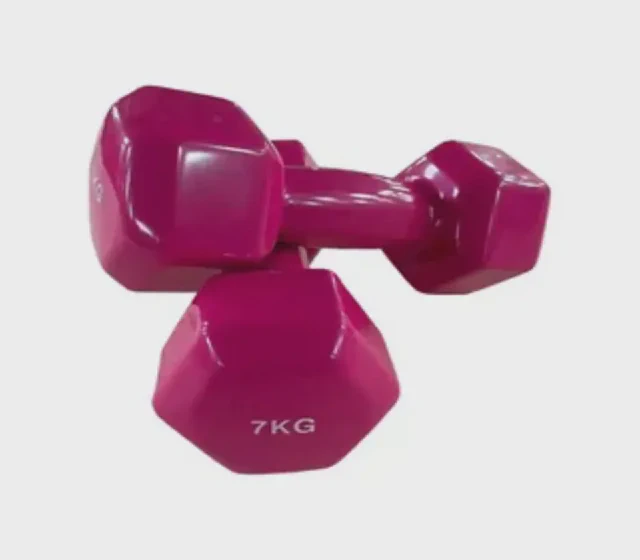
Hot Sale Dumbbell Textured Surface Fitness Gym PVC/Rubber Coating Sporting Goods
View product listing
Noise, floors and durability
Fixed rubber or urethane dumbbells have few moving parts, so they are generally less mechanically noisy than plate-loaded adjustable designs. They can still thump when placed down, and dropping any dumbbell can damage flooring, the equipment or nearby furniture. A dense exercise mat and controlled lowering are sensible in an apartment or shared room.
Adjustable dumbbells need more care. Inspect plates, collars, pins, dials and locking parts regularly. Do not lift until the selected load is fully secured, and follow the manufacturer’s instructions for returning the dumbbell to its base. Selectorized models should not be forced if the dial or pin does not align.
Fixed equipment is not indestructible. Handles can bend, heads can loosen and coatings can split if weights are dropped repeatedly. The simpler design is an advantage, not permission to treat the dumbbell as impact equipment.
Cost and weight range
An adjustable set can look expensive beside one fixed pair, but the comparison should include the number of loads you actually need. A single system may replace eight to twelve individual dumbbells, depending on its range and increments. That can make it more economical for a beginner who expects to progress.
Fixed dumbbells can be bought gradually. Start with the weights you use most, then add pairs as your programme develops. This spreads spending over time and avoids paying for a range you may never need. The trade-off is storage, plus the possibility that a complete set will eventually cost more than expected.
Check the maximum load carefully. Many adjustable models suit general strength training but top out below the heaviest fixed dumbbells. If your long-term plan includes heavy rows, split squats, carries or presses, make sure the upper limit leaves room to progress.
For a more permanent fixed setup, the supplier-listed This supplier-listed set is positioned as a heavy fixed gym dumbbell kit with urethane construction. Fixed urethane-style equipment can suit a user who values a solid, familiar dumbbell shape and expects to use the same loads repeatedly. It is less convenient than an adjustable pair when every exercise requires a different weight, and a complete set needs deliberate storage planning. Best for Home users building a more permanent fixed-weight setup or prioritising quick access to familiar loads. Confirm before inquiry: The supplier listing does not provide enough detail here to confirm the set's weight range, footprint or rack requirements.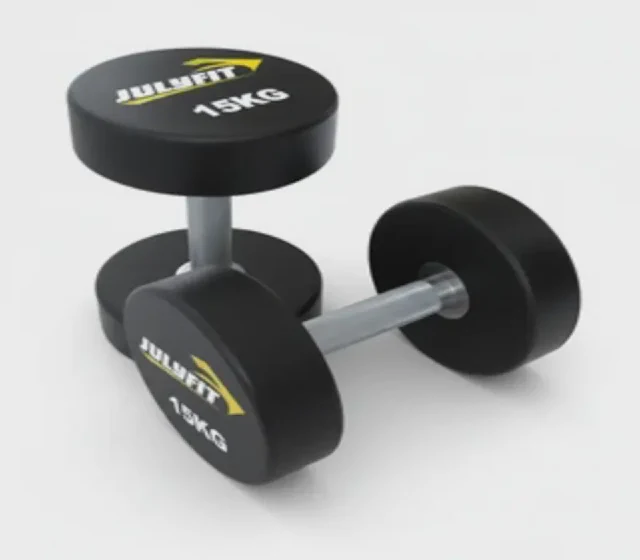
CPU Dumbbells Kit Heavy Fixed Custom Gym Urethane Dumbbells Set
View product listing
Which should you buy?
Choose adjustable dumbbells if you live in a small space, want one purchase to cover full-body training, or expect your strength to change quickly. Favour selectorized models if fast changes matter and you are comfortable storing them in their trays. Choose plate-loaded designs only if you accept slower changes and are willing to check collars and plates before each set.
Choose fixed dumbbells if you want the simplest possible setup, often switch weights during circuits, share equipment with another person or regularly train beyond an adjustable set’s maximum. Rubber or urethane heads can be sensible for home floors, but confirm the coating, handle and weight options rather than relying on the product name alone.
Before buying, measure the storage footprint, allow room to lift safely, list your main exercises and identify the lightest and heaviest loads you will need. Start with equipment that supports consistent, controlled training rather than equipment that simply fills the most space.
Health note: Dumbbell training can be demanding. Begin with a load you can control, use sound technique and progress gradually. Stop if you feel sharp pain, dizziness or unusual symptoms, and seek advice from a qualified health professional if you have an injury, medical condition or uncertainty about exercise suitability.
This article offers general information, not medical advice. Adjust activity to your experience and seek qualified guidance when needed.
FAQ
Are adjustable dumbbells better than fixed dumbbells for beginners?
Usually, yes, when space and budget are limited. One adjustable pair can cover several weight increments and support gradual progression without requiring a full rack. Fixed dumbbells may be easier to understand and quicker to pick up, so they can suit beginners who prefer simple equipment or train with another person.
How much space do adjustable dumbbells save?
A selectorized pair and its tray may need roughly 2 to 5 square feet, depending on the model. A comparable fixed collection with a rack can require about 10 to 25 square feet or more. Always measure the actual product and allow room to lift and return it safely.
Are fixed dumbbells quieter than adjustable dumbbells?
Fixed rubber or urethane dumbbells generally make less mechanical noise because they have no plates, collars or selection mechanism. Rubber heads can still thump on the floor, so use a suitable exercise mat and avoid dropping them. Plate-loaded adjustable models may rattle more than selectorized designs.
What weight range should a beginner choose?
That depends on current strength and the exercises you plan to perform. Light weights may be enough for raises and arm work, while squats, rows, hinges and carries usually require more. Choose increments that let you start with controlled technique and progress without immediately outgrowing the set.
Can adjustable dumbbells replace a full fixed dumbbell set?
For many general home workouts, yes. They can cover pressing, rowing, squatting, hinging and accessory exercises in a compact footprint. Fixed dumbbells remain useful for rapid circuits, drop sets, multiple users and very heavy training, particularly when an adjustable set has a lower maximum weight.