Adjustable vs Fixed Dumbbells vs Dumbbell Sets: What Works Best in a Small Home?
A practical comparison of adjustable dumbbells, fixed-weight pairs and dumbbell sets for small-home strength training, with straightforward advice on storage, speed, comfort and pr
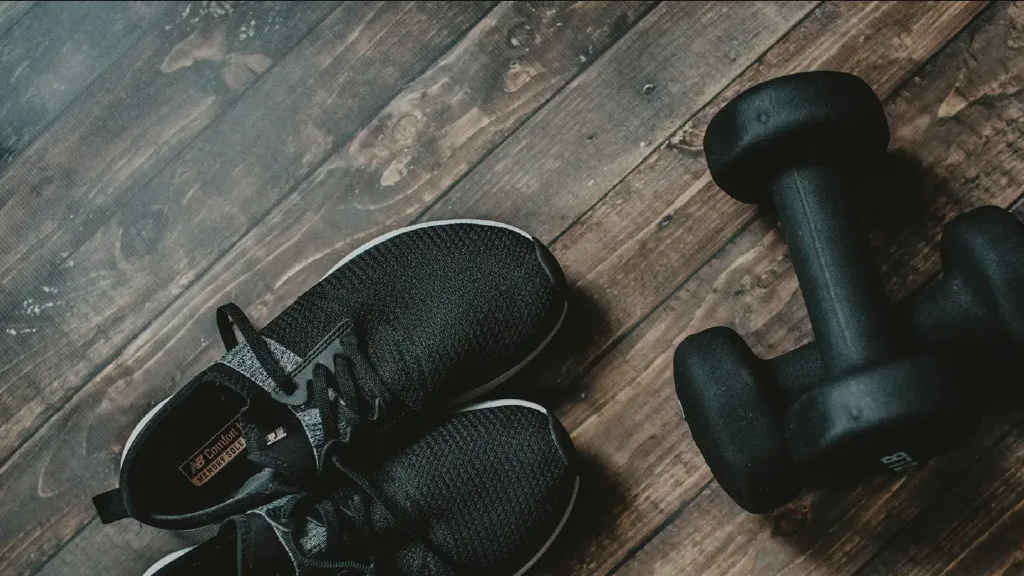
If your main problem is limited floor space, choose adjustable dumbbells first; choose fixed dumbbells only when fast changes and a familiar, always-ready feel matter more than compact storage. A small fixed-weight set is often the easiest option to use, while a plate-loaded set can be the most flexible to expand. The best dumbbells for small home workouts are therefore not automatically the smallest-looking pair: they are the format that fits your storage, current strength and likely routine.
Start with the constraint you feel every day
Dumbbells are straightforward, but a small home makes the practical details matter. You need somewhere to train, somewhere to put the weights afterwards and a way to use them without constantly disrupting your room or worrying about the floor below.
Before comparing finishes or maximum loads, answer three questions:
- Can the weights live in one fixed, low and safe location?
- Will you change weight several times in one workout?
- Do you expect to train once or twice a week, or three or more times most weeks?
An occasional exerciser may value a compact solution that disappears into a cupboard. A person following a regular strength plan may care more about rapid changes between exercises. Neither preference is trivial: friction is one of the most common reasons home equipment goes unused.
Adjustable dumbbells: strongest on space, weakest on changeover
Adjustable dumbbells put several weight settings into one pair. Depending on the design, you change load with a selector, a pin, a dial or removable plates. Their core advantage is obvious in an apartment: instead of storing several pairs, you store one pair and its base or plates.
That makes adjustable models the logical first look for a beginner who wants progression. You can usually start with a lighter setting for shoulder raises, chest presses and controlled arm work, then increase the load for goblet squats, Romanian deadlifts, rows and lunges. One system can therefore accommodate exercises that need very different loads.
The downside is workout rhythm. If you alternate between heavy rows and lighter lateral raises, changing the setting can interrupt the session. Selector models can be quick, but they still need careful locking and a clear check before lifting. Plate-loaded handles take longer, and collars must be fitted correctly every time. Some adjustable designs also feel longer or bulkier than a conventional fixed dumbbell, which can be noticeable during presses or exercises where the weights sit close together.
Adjustable dumbbells suit apartment dwellers, people with one small training corner and beginners who want to build strength over the next year rather than replace their equipment after a few months. They are less appealing for fast-paced circuits where every pause feels like a nuisance.
Fixed dumbbells: simplest to lift, hardest to collect
Fixed dumbbells are one-piece weights at a set load. Pick them up and train. There is no setting to check, no collar to tighten and no loose plate to find under the sofa. That simplicity is valuable for beginners learning movement patterns: the same handle and shape are ready every time.
They are also the fastest format for workouts with several exercises. A practical mini collection might include a lighter pair for isolation work and a heavier pair for compound moves. Changing load means putting one pair down and picking up another. For supersets, shared workouts or short sessions before work, that speed can make a fixed set feel notably more inviting.
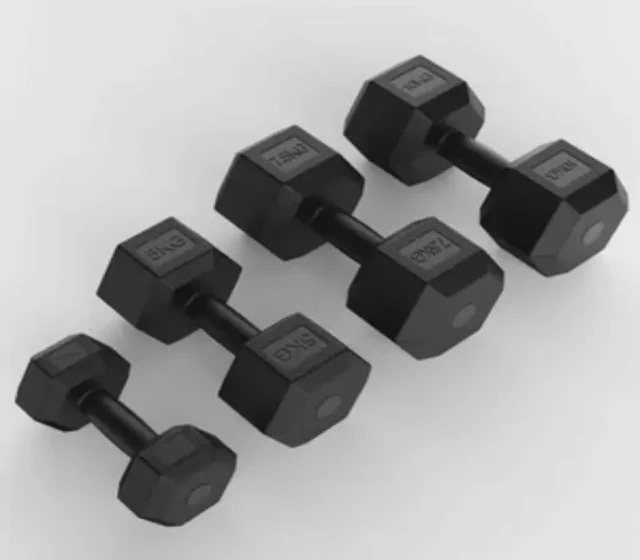
Commercial Eco Cement Core Hex Dumbbells, Low Noise Shock-Absorb Rubber Encased Anti-Roll Weights for Gym Studio Strength Gear
- MIC category
- Dumbbell
This supplier-listed fixed dumbbell option is positioned as a rubber-encased, anti-roll hex design with a cement core. A hex shape can be practical in a home because it is less likely to move when set down between rows, presses or floor exercises. As with any fixed pair, confirm the available weight increments and the handle dimensions before ordering.
Best for People who value immediate, no-adjustment training and want a stable fixed-weight option.
- Hex shape is described as anti-roll
- Supplier listing describes rubber encasing and shock absorption
- Fixed format removes plate or dial changes
Confirm before inquiry: The noise, material and anti-roll descriptions are supplier-listing claims. Use protective flooring and controlled placement to help protect hard floors and neighbours below.
The limitation is cumulative. One pair is tidy; four pairs are furniture. A proper rack uses vertical space efficiently, but it still occupies a permanent patch of floor and must be stable. Storing loose pairs in a cupboard can work for modest weights, yet lifting heavy items in and out at an awkward angle is not ideal.
Hex-shaped dumbbells deserve consideration at home because their flat sides reduce rolling when you set them down. Rubber or rubber-encased styles may also be gentler on a mat than bare metal, but they are not permission to drop weights. Controlled placement protects the floor, the equipment and household peace.
Dumbbell sets: decide which kind of set you mean
“Dumbbell set” can describe two very different purchases. It might mean several fixed pairs supplied together, or it might mean handles, plates and collars that you assemble into different weights. They solve different problems.
A fixed-pair set prioritises convenience. It is essentially the fixed-dumbbell experience, but with enough options to keep sessions moving. It works especially well for someone training three or four times a week who wants to use different loads for lower body, upper body and smaller muscle groups without touching a dial.
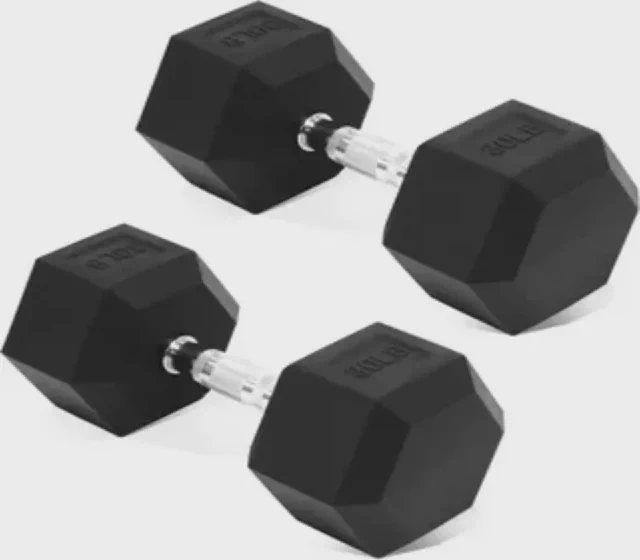
Fitness Training Dumbbell Home Gym Hex Dumbbell Set Rubber Coated Weight Lifting 10kg 20kg 50kg Gym Dumbbell
- MIC category
- Dumbbell
This supplier listing presents a rubber-coated hex dumbbell set and references 10 kg, 20 kg and 50 kg options in its product title. A grouped fixed-weight purchase can simplify training if the chosen range includes genuinely useful jumps: a lighter pair for raises and technique work, plus heavier options for rows, squats and presses. The compromise is storage: every extra pair needs a secure home.
Best for Regular home trainers who prefer rapid weight changes and have space for a compact rack or dedicated storage zone.
- Supplier listing identifies the product as a hex dumbbell set
- Rubber-coated finish is stated in the listing title
- Multiple weight-package references appear in the listing title
Confirm before inquiry: Check exactly which weights, pairs and accessories are included in a quoted configuration. The title alone does not confirm the contents of a particular order.
Do not judge a set only by its total kilograms. Look at the gaps between pairs. If all of the weights are too close together, the set may not provide a meaningful step for bigger exercises. If the jumps are huge, it can be difficult to progress an overhead press or a curl smoothly. The ideal range depends on the person, but useful increments matter more than an impressive total.
A plate-loaded dumbbell set is more compact than multiple fixed pairs and can be expanded gradually. However, it introduces loose components, manual setup and compatibility questions. Plates should be stored securely, collars should be checked, and you need enough clear floor to change the setup without clutter.
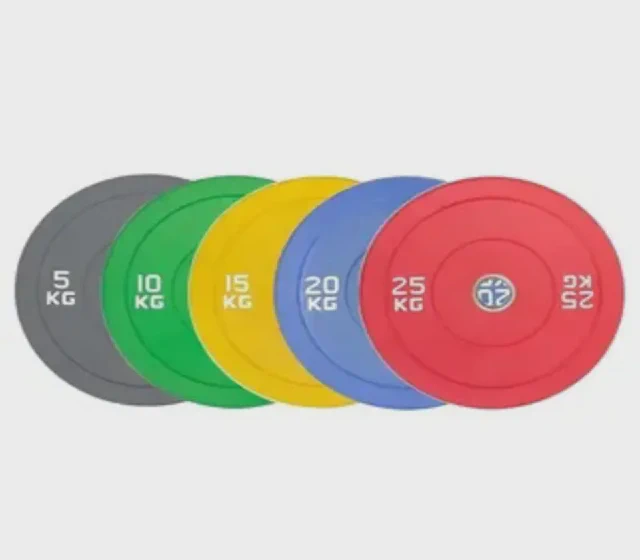
Gym Fitness Colored Weight Discs Rubber Bumper Weight Plates
- MIC category
- Dumbbell
These supplier-listed rubber bumper weight plates are not a complete dumbbell solution on their own, but they illustrate the plate-loaded route. Paired with compatible dumbbell handles, plates can create a flexible, upgradeable system. It is a sensible choice for someone who trains patiently and wants to add load over time, but the changing process is slower and the plates, collars and handles all require orderly storage.
Best for Methodical trainers building a modular home strength setup around compatible equipment.
- Supplier listing identifies colored rubber bumper weight plates
- Can support incremental loading when used with compatible equipment
- Plates can serve more than one compatible strength-training setup
Confirm before inquiry: Compatibility is essential: confirm the plate centre-hole specification, handle capacity, collar type and available training area before combining components.
For a small home, plate-loaded equipment is best for people who do not mind a deliberate setup. It is less suitable for a ten-minute workout squeezed between meetings, when the effort of changing plates can become the reason you skip the session.
Grip comfort and handling: the overlooked test
The same nominal weight can feel very different between dumbbell types. Handle thickness, knurling or texture, the space inside the handle and overall dumbbell length affect comfort. If a handle is too thick for your hand, your grip may fatigue before the intended muscles do. If it is overly aggressive, it may feel unpleasant during high-repetition work.
Fixed dumbbells tend to offer the most consistent hand position because there are no plates extending from the handle. Adjustable plate-loaded dumbbells can be wider, while selector styles may have a different balance from a compact gym dumbbell. This does not make them bad; it simply makes it worth prioritising exercises you actually plan to do. Someone focused on rows, presses and squats may adapt easily. Someone doing lots of close-grip pressing or floor work may care more about compact dimensions.
If possible, inspect handle specifications and clear product details before purchase. When that information is unavailable, avoid assuming two similarly weighted products will feel alike.
A simple choice guide
Choose adjustable dumbbells if: you live in a studio or small apartment, need multiple loads but have room for only one system, and are comfortable spending a moment changing weight. This is the best all-round answer for most space-limited beginners.
Choose one or two fixed pairs if: you exercise occasionally, want the lowest possible setup barrier and are happy using a narrower range at first. This can be a calm, sensible way to establish a habit before expanding.
Choose a compact fixed dumbbell set if: you expect to train several times each week, like circuits or supersets, and can reserve a safe storage footprint. It is the most convenient format during a workout.
Choose a plate-loaded set if: you enjoy configuring equipment, want modular progression and can keep plates, handles and collars organised. It offers flexibility, but not the quickest session start.
Buy for progression, not for an imagined perfect plan
A beginner does not need a room full of weights. Start with equipment that permits controlled repetitions with good form and has a realistic next step when the work becomes easier. You can progress by adding load, but also by adding repetitions, slowing the lowering phase, improving range of motion or using more demanding variations.
Protect the area beneath your weights with suitable matting, particularly on hard floors. Keep dumbbells away from children, pets, doorways and unstable shelving. Never drop them in a home setting, and inspect adjustable mechanisms, collars and handles before each session. If you are new to strength training, returning after injury, pregnant or managing a health condition, seek appropriate advice from a qualified healthcare professional or exercise professional before beginning or changing your programme.
For most small homes, the decision is refreshingly clear: adjustable dumbbells win on storage and long-term range; fixed pairs win on speed and simple handling; a set wins when you have the routine and storage discipline to justify it. Choose the option you will be happy to take out, use and put away several times a week.
This article offers general information, not medical advice. Adjust activity to your experience and seek qualified guidance when needed.
FAQ
Are adjustable dumbbells good for beginners?
Yes, provided the adjustment system is easy to understand, the starting weight is manageable and the dumbbells lock securely before every set. They are particularly useful for beginners who expect to become stronger and do not want several pairs taking up floor space.
How many dumbbells does a beginner need at home?
One matched pair is enough to begin. A range becomes useful because lower-body movements, rows and presses often need different loads. An adjustable pair or a small selection of fixed pairs can cover this without creating a crowded workout area.
Are fixed dumbbells better than adjustable dumbbells?
Neither is universally better. Fixed dumbbells are faster to grab and change between exercises, while adjustable models save substantial space. The better option depends on whether your bigger constraint is workout pace or storage.
What is the safest way to store dumbbells in an apartment?
Keep them low, stable and out of walkways. A purpose-made low rack, a sturdy storage tray or a designated floor corner with protective matting can work. Do not store heavy weights where they could roll, fall from a shelf or obstruct an exit.
Should I buy a dumbbell set with plates?
A plate-loaded set can make sense if you are happy to change plates manually and want a wide progression path. It is less convenient for fast circuits, and loose plates need secure storage, so it suits organised, deliberate training more than quick drop-in sessions.