Adjustable Dumbbells for Small Spaces: Which Style Is Easiest for Beginners?
Compare selectorized, plate-loaded and tray-based adjustable dumbbells for apartment workouts, with practical advice on storage, comfort, noise, weight changes and value.
If you are a beginner training in an apartment, the easiest choice is usually a selectorized adjustable dumbbell: one that uses a pin, dial or slider to change weight while the dumbbell sits in its base. It offers the simplest learning curve, the quickest transitions and less loose hardware on the floor.\n\nPlate-loaded adjustable dumbbells can be the better value when you want heavier resistance and do not mind a slower setup. Tray-based sets are worth considering when organization matters as much as the dumbbells themselves. The best adjustable dumbbells for small spaces are not necessarily the shortest products on a listing page; they are the ones that fit your storage area, feel secure in the hand and cover the exercises you actually plan to do.\n\n## The three main formats\n\n### 1. Selectorized adjustable dumbbells\n\nSelectorized models use a pin, dial, slider or similar control to select a weight from a docked stack. For most beginners, this is the most practical format. You can move from a lighter setting for shoulder raises to a heavier setting for goblet squats without removing plates or tightening collars.\n\nThe main advantage is convenience. Quick changes matter if you are following a circuit, sharing the equipment with another person or trying to keep a short workout moving. The trade-off is that the mechanism can be more complex than a fixed dumbbell, and some models have a wider or less traditional shape. You should not assume that every selectorized dumbbell can be dropped safely. Set it down under control and return it to its base before changing the load.\n\nSelectorized systems can also make less noise than a collection of loose plates, although the adjustment mechanism may click or clack. The dock itself adds some footprint, so measure the base rather than looking only at the length of the handle.\n\n### 2. Plate-loaded adjustable dumbbells\n\nPlate-loaded models use a handle, plates and collars. You select the load by adding or removing plates, then secure them before lifting. This is the most familiar design for anyone who has used a barbell, and it can offer a straightforward route to heavier training.\n\nThe cost is convenience. Changing weight takes longer, and loose plates can rattle or knock against one another. That may matter in an apartment, particularly during early-morning or late-night sessions. The plates and collars also need a home when they are not attached to the handles.\n\nOn the positive side, the shape can feel more balanced and predictable, and replacement or expansion may be simpler if the components use a common system. Plate-loaded dumbbells may therefore suit a beginner who is patient with setup and expects to keep progressing, rather than someone who wants rapid changes between exercises.\n\n### 3. Adjustable sets with trays\n\nA tray-based adjustable set is not always a separate adjustment technology. It is better understood as a storage and organization feature. The dumbbells rest in cradles or trays that keep the selected plates together and provide a defined place to put the equipment away.\n\nThis can be helpful in a small room because it reduces loose parts and makes the equipment easier to move as one organized set. It can also protect flooring and prevent a dumbbell from rolling into furniture. The limitation is that the tray becomes part of the real footprint. A pair that looks compact in isolation may need more width, depth and clearance once both bases are included.\n\nFor under-bed or cupboard storage, check the stored height and not just the advertised weight range. Also check whether you can grip the handles comfortably when lifting the dumbbells out. A tight storage fit is not useful if it encourages awkward twisting or dropping.\n\n## What matters most for a beginner\n\n### Footprint and storage\n\nMeasure the place where the equipment will live, then add room to pick it up and put it down. Consider door swings, furniture edges and whether the dumbbells need to be carried through a narrow hallway. A pair that fits beneath a bed may still be inconvenient if the tray does not.\n\nSquare or flat-sided plates can help prevent rolling, while a base or cradle keeps the system stable. A rubber mat is useful for reducing noise and protecting the floor, but it also needs a little extra space.\n\n### Weight changes\n\nFor a first set, simple adjustment is usually more valuable than an extremely high maximum weight. A dial or selector pin can make a workout feel less interrupted than a screw-lock handle with several plates. If you choose a plate-loaded system, practice changing the load before beginning a timed workout.\n\nLook for useful increments as well. Smaller jumps allow more gradual progression, which is helpful when a five-pound increase feels too large for an upper-body exercise. Do not buy solely by maximum weight: a heavy system may start at a load that is uncomfortable for raises, warm-ups or rehabilitation-style movements.\n\n### Handling comfort\n\nA compact dumbbell is not automatically comfortable. Check whether the plates restrict your wrist, whether the handle is too thick and whether the dumbbell feels balanced at lighter settings. Traditional-looking handles may feel more natural for curls and presses, while enclosed or block-shaped designs can be secure but unfamiliar.\n\nFor apartment workouts, stability when setting the dumbbell down is also important. A flat base or tray is preferable to a design that rolls under a sofa.\n\n### Noise and neighbours\n\nFixed dumbbells are not necessarily silent, but adjustable systems can reduce the number of weights being moved around. Selectorized models generally avoid frequent plate handling; plate-loaded models may produce more clatter during changes. Use controlled repetitions, avoid dropping the weights and place a mat beneath the training area.\n\n### Value\n\nAn adjustable pair usually costs more upfront than one pair of fixed dumbbells. Its value improves when it replaces several weights that you would otherwise buy later. However, an inexpensive light set is poor value if you quickly outgrow it, while a large professional-style system may be unnecessary for basic home workouts.\n\nThe supplier-listed examples below illustrate the difference between a heavier adjustable system, modular plates and a fixed dumbbell collection. Treat them as formats to investigate rather than as independently verified performance recommendations.\n\n The supplier listing describes this as an adjustable dumbbell available in 24 kg, 52.5 lb and 40 kg, 90 lb configurations. Its appeal for a small-space buyer is the possibility of covering multiple training levels with one system rather than building a rack of fixed weights. Best for Beginners who want a compact starting point but expect to progress into heavier home strength work. Confirm before inquiry: Confirm the exact configuration, included components, adjustment method and dimensions with the supplier before ordering. This supplier listing is for colored rubber bumper weight plates rather than a complete beginner dumbbell system. They may be relevant to a plate-loaded setup, but plates alone do not provide the handles, collars or adjustment hardware needed for dumbbell training. Best for Shoppers comparing a modular plate-loaded setup or adding compatible resistance to equipment they already own. Confirm before inquiry: Do not treat this listing as a complete pair of adjustable dumbbells; verify diameter, plate thickness, handle compatibility and the quantity supplied. The supplier listing describes a luxury CPU dumbbell set with custom-logo options. It is not presented as an adjustable system, so it is best viewed as a comparison point: fixed sets can feel familiar and allow instant weight changes, but they generally require more storage as the number of weights grows. Best for Buyers considering a fixed dumbbell collection and able to dedicate more storage space to multiple weights. Confirm before inquiry: Confirm the included weight range, number of pairs, dimensions, coating details and minimum order quantity with the supplier.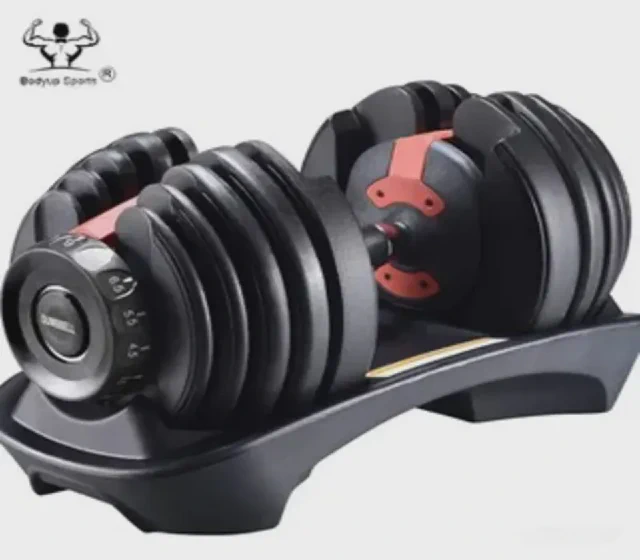
Adjustable Dumbbell 24kg 52.5lb 40kg 90lb Gym Dumbbell Fitness Equipment
View product listing 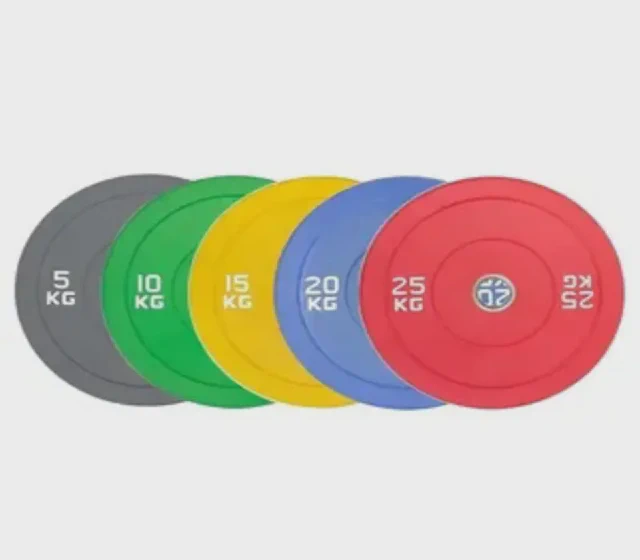
Gym Fitness Colored Weight Discs Rubber Bumper Weight Plates
View product listing 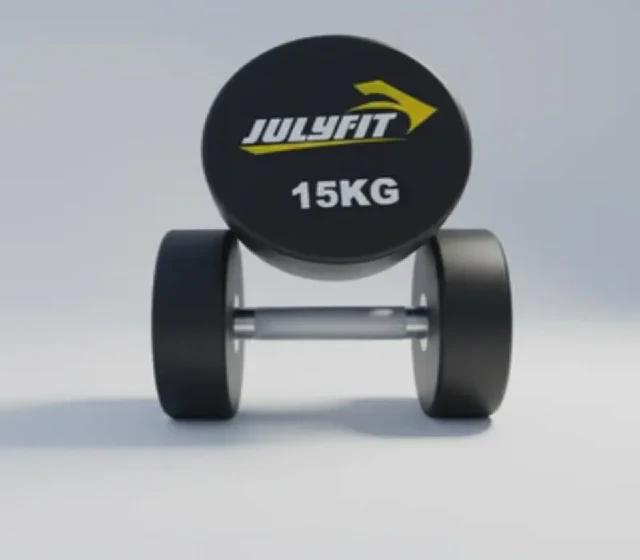
Home Gym Equipment Luxury Dumbbell Set Custom Logo CPU Dumbbells
View product listing
This article offers general information, not medical advice. Adjust activity to your experience and seek qualified guidance when needed.
FAQ
Are adjustable dumbbells good for small apartments?
Yes. One pair can replace several fixed-weight pairs, reducing clutter and floor space. They are especially practical when you can store them in a tray, cupboard or other stable location and have enough clearance to lift them out safely.
Which adjustable dumbbell style is easiest for a beginner?
Selectorized models are generally the easiest. A pin, dial or slider lets you change resistance without removing collars and plates. Plate-loaded models are still effective, but they require more setup and are less convenient during circuits.
Are adjustable dumbbells noisy?
They can be quieter than a collection of loose fixed weights, but noise depends on the mechanism and how the dumbbells are handled. Plate-loaded systems may rattle, while selectorized systems can make clicking or clacking sounds during changes. A rubber mat and careful placement help in shared-wall buildings.
What weight range should a beginner choose?
Choose a system that starts light enough for lateral raises, warm-ups and controlled upper-body work, while leaving room to progress. A low maximum may be adequate for general fitness, but it can become limiting for squats, rows and lower-body exercises.
Can adjustable dumbbells be stored under a bed?
Some compact sets can, but you must check the complete stored height, including plates, handles and any tray. Also consider whether you can slide the dumbbells out without scraping the floor or lifting them awkwardly.