Best Compact Exercise Bikes for Small Homes: Three Beginner-Friendly Options Compared
Choosing the best compact exercise bike for a small home comes down to the format: folding upright for easy storage, mini pedal for the smallest footprint, or compact recumbent for
If you want the best compact exercise bike for a small home, start with the format rather than the brand. A folding upright is the safest all-round choice for most beginners: it gives you a normal seated cycling position, takes up relatively little floor space and can usually be moved after a 20- to 30-minute session. A mini pedal exerciser is better when every inch matters. A compact recumbent is the more comfortable option if back support, easy mounting or a larger seat is your priority.
That distinction matters because “compact” can describe very different machines. A light folding bike may store beside a wardrobe but feel less stable during hard efforts. A mini pedal unit can sit under a desk but may slide on a smooth floor. A recumbent bike can be easier on the back, yet its long base may need a permanent place in the room.
The three formats at a glance
1. Folding upright: the best compromise
A folding upright bike most closely resembles a traditional stationary bike, but with a lighter frame and a hinge or collapsible structure. It is generally the most useful choice for a beginner who wants dedicated cardio rather than occasional movement.
The main advantage is storage. Some folding models are designed to tuck beside a closet or under furniture when not in use, although you should check the folded dimensions and whether the bike has transport wheels. The open footprint is also typically modest; compact upright models are often under four feet long, but the exact size varies by version.
The trade-off is stability. Lightweight frames can move or sway during standing efforts, and narrow seats may become uncomfortable during longer rides. Folding bikes are better suited to easy steady pedaling, warm-ups and short low-impact intervals than aggressive spin-style training. Look for an adjustable seat, a resistance knob or clearly marked levels, and a base that sits firmly on your floor.
For most small-home beginners, this is the format to choose first.
2. Mini pedal exerciser: the smallest footprint
A mini pedal bike has no tall frame or saddle. You place it on the floor and pedal from a chair, sofa or desk. It can be carried into a cupboard or corner far more easily than a full-size bike, making it attractive for apartments, shared rooms and work-from-home routines.
Its limitations are equally clear. You do not get the posture, handlebars or full-body stability of an upright bike. Pedaling from a soft chair can make it harder to maintain a comfortable position, while a smooth floor may allow the unit to creep forward. A rubber mat can help, but it will not turn a mini pedal unit into a full exercise bike.
Resistance adjustment is often simpler and the workout may feel lighter. That is not necessarily a problem: the format works well for 10- to 20-minute movement breaks, gentle cardio and rebuilding consistency. It is less suitable if you want a stable platform, longer sessions or a stronger cycling sensation.
3. Compact recumbent: the comfort choice
A recumbent bike places you in a reclined seat with a backrest and pedals in front of you. This supported position can feel more comfortable for beginners, older adults and anyone who dislikes balancing on a narrow upright saddle. It is also easy to settle into for steady, low-impact cardio.
The cost of that comfort is space. Even a small recumbent has a longer base than a mini pedal exerciser, and it is less likely to disappear under a bed or into a closet. Transport wheels can make repositioning easier, but you still need enough clearance to enter the seat safely and extend your legs without hitting nearby furniture.
Pay close attention to seat travel and the stated rider weight limit. A recumbent that is technically compact may still feel cramped if the seat cannot move far enough. A wide base can improve stability, but it also uses more floor area. For people with back concerns, a recumbent may be preferable to an upright, although medical advice is more appropriate than relying on a product label alone.
What to check before buying
Measure the available space in two ways: the area needed to ride and the area available for storage. Include clearance around the pedals, space to sit down and room to move the machine without catching it on furniture. For a folding model, record both the open and folded dimensions.
Next, consider stability. A heavier frame and broad feet generally feel more secure, but they also make a bike harder to move. If the machine will be stored after every workout, transport wheels and a manageable folded shape may matter more than a few extra resistance levels.
Comfort is not limited to padding. Seat height, horizontal adjustment, back support and pedal position all affect whether you can maintain a natural knee bend. If more than one person will use the bike, adjustable contact points become especially important.
Finally, set realistic expectations for resistance. Compact and folding bikes often provide enough challenge for beginner cardio but may not suit high-intensity standing climbs. Start with a pace at which you can speak in short sentences, then increase duration before chasing harder resistance.
A note on the supplied product listings
The three supplier listings included with this guide were extracted from a category labelled “Exercise Bike,” but their supplied product names do not describe compact exercise bikes. They appear to refer to a treadmill, a stair-climbing machine and a Smith gym machine. They are included as catalog leads, not as like-for-like recommendations:
AC Motor Exercise Incline Motorized Sport Running Fitness Gym Treadmill Machine
- Displayed price
- US$ 930-950 / Piece
- MIC category
- Exercise Bike
This supplier listing should not be treated as a compact exercise-bike recommendation. Its displayed name is “AC Motor Exercise Incline Motorized Sport Running Fitness Gym Treadmill Machine,” so it does not match the folding upright, mini pedal or recumbent formats discussed in this guide. The listing shows a displayed price of US$ 930-950 / Piece, but that figure should be verified against the actual item and specification before any inquiry.
Best for Readers researching commercial cardio equipment who are prepared to clarify the product type with the supplier—not beginners looking for a compact bike.
- Supplier: All Universe Fitness Technology (Qingdao) Co., Ltd.
- Displayed price: US$ 930-950 / Piece
- Catalogued under the Made-in-China Exercise Bike category
Confirm before inquiry: The category label and product name conflict. Confirm that the listing is for the equipment you intend to buy, along with dimensions, power requirements, shipping terms and safety documentation.
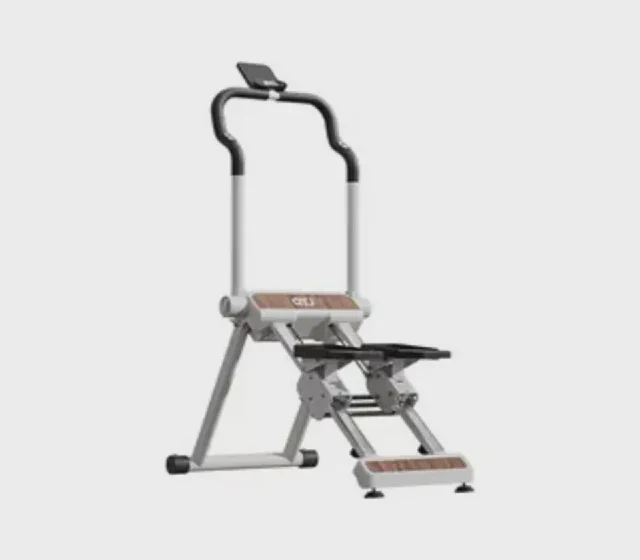
Cross-Border Multi-Functional Stair-Climbing Machine Home Steppers Exercise Fitness Equipment Stationary Treadmill Trainer
- MIC category
- Exercise Bike
This is another listing that does not correspond clearly to a compact exercise bike. The supplied product name is “Cross-Border Multi-Functional Stair-Climbing Machine Home Steppers Exercise Fitness Equipment Stationary Treadmill Trainer.” A stepper may suit a different movement pattern and may not offer the seated, low-impact cycling experience a beginner is seeking. No displayed price was supplied, so the listing should be treated as a product-lead rather than a buying recommendation.
Best for People comparing broader home-cardio equipment, provided they first confirm whether the machine is a stepper, treadmill or bike.
- Supplier: Hefei Bodyup Sports Co., Ltd.
- No displayed price supplied in the catalog facts
- Catalogued under the Made-in-China Exercise Bike category
Confirm before inquiry: Ask for the exact machine type, assembled footprint, user weight limit, resistance method and floor-clearance requirements before considering it for a small room.
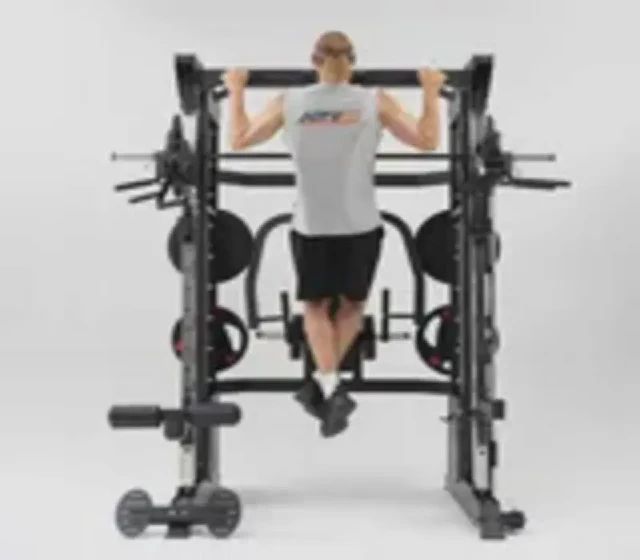
All-in-One Multi-Functional Smith Gym Machine for Home Gym Fitness
- Displayed price
- US$ 1150-1200 / Piece
- MIC category
- Exercise Bike
This listing is not a compact exercise-bike format. “All-in-One Multi-Functional Smith Gym Machine for Home Gym Fitness” suggests a large strength-training station, which is fundamentally different from a folding upright, mini pedal or compact recumbent bike. Its displayed price is US$ 1150-1200 / Piece, but neither that figure nor the category placement establishes that it includes a cycling function.
Best for Readers planning a dedicated home gym with room for a multi-function strength station, not someone seeking storable beginner cardio.
- Supplier: All Universe Fitness Technology (Qingdao) Co., Ltd.
- Displayed price: US$ 1150-1200 / Piece
- Catalogued under the Made-in-China Exercise Bike category
Confirm before inquiry: Confirm the included exercises, total assembled dimensions, installation needs and whether any bike component is supplied. The product name alone does not support treating it as an exercise bike.
This mismatch is a useful reminder to verify the actual product page, dimensions and equipment type before buying from a marketplace category. A treadmill or multi-station gym machine could be entirely unsuitable for a small home, even if the search category says “Exercise Bike.”
The practical verdict
Choose a folding upright if you want the best balance of storage, familiar cycling posture and beginner-friendly cardio. Choose a mini pedal exerciser only when minimum footprint is the overriding concern and short, gentle sessions are enough. Choose a compact recumbent when support and comfort matter more than putting the equipment away.
Whichever format you choose, leave enough room to mount and dismount safely, use a stable surface and progress gradually. Cycling is generally low impact, but it is not risk-free; stop if you feel pain, dizziness or unusual breathlessness, and ask a healthcare professional for guidance if you have an injury or medical condition.
This article offers general information, not medical advice. Adjust activity to your experience and seek qualified guidance when needed.
FAQ
What is the best compact exercise bike for a small home?
For most beginners, a folding upright bike is the most practical compromise. It offers a familiar seated position, adjustable resistance and a relatively small footprint, then can be moved into storage after a short workout. Choose a mini pedal bike instead if floor space is extremely limited, or a recumbent if comfort and back support are more important than storage.
Are mini pedal exercisers effective for cardio?
They can provide light, low-impact pedaling and are useful for short movement breaks or gentle sessions. However, their small pedals and low seating position may provide less resistance and stability than a full-size exercise bike. They are best viewed as a convenient movement tool rather than a complete replacement for a stable upright or recumbent bike.
Is a recumbent bike suitable for beginners?
Yes. The supported, reclined seating position can feel comfortable and approachable, particularly for people who prefer not to balance on an upright saddle. Recumbent bikes usually take more floor space and may be harder to store, so measure the room around the bike as well as the bike itself.
How much space does a compact exercise bike need?
Allow more room than the product’s listed footprint. You need clearance to sit down, pedal without striking furniture and move the bike safely. A folding upright model may occupy less than four feet in length when open, while a mini pedal unit can fit in a corner or under a desk. Always confirm current dimensions because versions can vary.
Can exercise bikes help with joint-friendly cardio?
Cycling is generally a low-impact form of cardio because the pedals support your body weight. Start with easy resistance and a short session, and stop if you feel pain, dizziness or unusual shortness of breath. If you have an injury, medical condition or concerns about exercise, seek advice from a qualified healthcare professional.