Which Compact Home Gym Accessories Are Best for Beginners in Small Spaces?
Compare resistance bands, suspension trainers, ab wheels and adjustable ankle weights for storage, comfort, learning curve and exercise variety before choosing compact home gym acc
If you are starting from scratch in a small home, buy a resistance-band set first unless you have a specific reason to choose something else. Bands offer the best balance of storage, exercise variety, beginner-friendly progression and price-conscious practicality. Choose a suspension trainer if you already have a trustworthy anchor and enjoy bodyweight training; choose adjustable ankle weights for targeted leg and mobility work; choose an ab wheel only when core control is already a clear priority.
The smallest item is not automatically the most useful. A compact accessory earns its place by helping you train consistently without creating a complicated setup, uncomfortable positions or a storage problem.
Quick comparison
| Format | Storage | Learning curve | Exercise variety | Best starting goal |
|---|---|---|---|---|
| Resistance-band set | Excellent | Low to moderate | High | General strength and mobility |
| Suspension trainer | Excellent when packed away | Moderate to high | High | Bodyweight strength |
| Ab wheel | Excellent | High | Low to moderate | Focused trunk training |
| Adjustable ankle weights | Excellent | Low | Moderate | Legs, hips and low-impact resistance |
Resistance bands: the strongest all-rounder
A set of resistance bands is usually the safest bet for a beginner who does not yet know what type of training they will enjoy. Bands can be used for rows, presses, squats, hinges, glute work, shoulder exercises, assisted stretching and warm-ups. A set with several resistance levels also gives you room to progress without adding a larger piece of equipment.
They are easy to tuck into a drawer or basket, and most exercises can be performed standing, seated or on the floor. That matters in a small room: you can change your workout without rearranging the furniture.
The trade-off is that bands feel different from free weights. Resistance often increases as the band stretches, so the hardest part of a movement may come near the end of the range. Anchor placement also matters. If you loop a band around a door or furniture, follow the manufacturer’s instructions and check that the anchor cannot slip.
For a first week, try a simple full-body session: band row, squat, chest press, hip hinge, lateral steps and a gentle anti-rotation hold. Use slow repetitions and leave a few comfortable repetitions in reserve rather than chasing maximum tension.
Suspension trainers: versatile, but dependent on setup
A suspension trainer can offer a surprisingly broad workout from one compact bundle. By changing your body angle, you can make rows, squats, split squats, presses and assisted single-leg movements easier or harder. It also encourages whole-body control, since your hands or feet are connected to straps while your trunk stabilises you.
The main limitation is not storage but installation. You need a reliable anchor, enough clearance around it and confidence that the attachment point can handle the forces involved. A door anchor may be practical in some homes, but only when used as directed and with a door and frame that are suitable. Never improvise with a fragile fixture.
The learning curve is higher than with bands. Small changes in body angle can make an exercise much harder, and straps can rotate or shift. Beginners should start with supported squats, rows and short-range movements before attempting demanding push-ups, pikes or single-leg variations.
Choose this format if you enjoy bodyweight training and can set it up safely every time. It is a poor choice if you cannot identify a dependable anchor or if your available floor space is restricted once the straps are deployed.
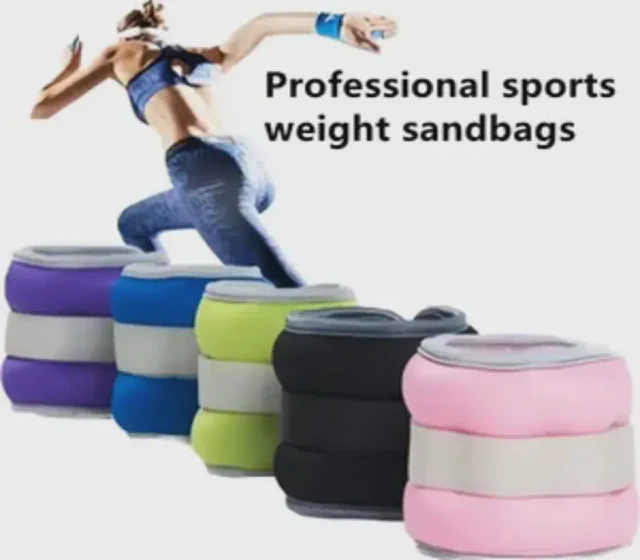
Adjustable Ankle Wrist Weights Weighted Sandbags Fitness Training Wrist Ankle Weights for Running Yoga Workout
- MIC category
- Fitness Accessories
The supplier listing describes these weighted sandbags as adjustable ankle and wrist weights for running, yoga and workouts. As a format, adjustable weights are appealing when your priority is adding modest resistance to leg raises, hip work, walking drills or selected mobility exercises without storing bulky equipment. They are not a replacement for a full resistance-training setup, since they offer fewer upper-body and pulling options than bands or a suspension trainer.
Best for Beginners who want compact, low-impact resistance for legs, hips and mobility work.
- Small storage footprint
- Adjustable loading can support gradual progression
- Can be used on ankles or wrists according to the supplier listing
- More limited exercise variety than a band set
Confirm before inquiry: The product details above are supplier-listing claims. Check the actual adjustment method, fit and weight range before purchase, and stop if the weight causes joint discomfort or changes your movement pattern.
Adjustable ankle weights: compact and focused
Adjustable ankle weights occupy very little storage space and can make familiar movements more challenging without requiring a large training area. They are most useful for controlled exercises such as straight-leg raises, bent-knee hip extensions, side-lying leg work and selected mobility drills. Some people also use them for walking, but adding weight to repetitive activity can alter gait and place extra stress on joints.
Their main weakness is limited variety. Ankle weights do not give you the same pulling, pressing or upper-body options as bands. They are therefore best viewed as a targeted accessory rather than a complete home gym.
Fit and load are important. A loose weight can move around, while too much weight can encourage swinging or make the hip, knee or ankle compensate. Start light, use a controlled range and remove the weights for exercises that become jerky or uncomfortable. The supplier listing for the featured option describes adjustable ankle and wrist use, but you should confirm the actual fit and adjustment system before buying.
Ab wheels: tiny storage footprint, demanding technique
An ab wheel may be the most compact option in the comparison, but it has the narrowest use case. Rollouts train the trunk, shoulders and hips to resist extension, and they can be effective when performed with control. They are also easy to make too difficult too soon.
A beginner who cannot yet brace comfortably in a plank may struggle to stop the lower back from arching during a rollout. That is not a reason to avoid trunk training; it is a reason to build capacity first with dead bugs, planks, band presses and other controlled exercises. Start with short kneeling rollouts and stop before you lose rib and pelvis control. Do not treat a larger range of motion as automatic progress.
An ab wheel makes sense when you specifically want progressive rollout work and already have a basic strength routine. It is not the most useful first purchase for someone seeking a balanced full-body programme.
What should you choose for your goal?
Choose resistance bands if you want one purchase to cover the greatest number of beginner exercises. They are also the easiest option to adapt around limited space, changing fitness levels and different mobility needs.
Choose a suspension trainer if you prefer bodyweight exercise, have a safe anchor and can keep a clear training area available. It rewards practice but asks more of your setup and technique.
Choose adjustable ankle weights if your priority is gentle, targeted work for the hips and legs, or if you want an accessory to complement walking and mobility sessions. They are especially practical when upper-body strength is not your immediate focus.
Choose an ab wheel later if improving rollout strength is a specific goal. Its small size should not obscure its demanding learning curve.
Support accessories and weight plates can have a place in a developing home gym, but they should follow a clear need. A wrist brace does not replace training equipment, and a weight plate is not automatically more useful because it allows heavier loading. Begin with the format you can set up safely, use regularly and store without friction.
A sensible small-space starting plan
Keep the first month simple: two or three full-body sessions per week, plus short mobility work on other days. Select four to six movements, practise smooth repetitions and record how the exercises feel. Progress by adding repetitions, range, time under tension or a small amount of resistance—not all at once.
Before each session, check the floor, anchors, straps and fastenings. Keep walkways clear, avoid training through sharp pain and stop if you feel dizziness, unusual shortness of breath or loss of control. If you have an injury, a medical condition, or uncertainty about which movements are appropriate, ask a qualified health professional for individual advice. Compact equipment can support a good routine, but it cannot replace sound technique and sensible progression.
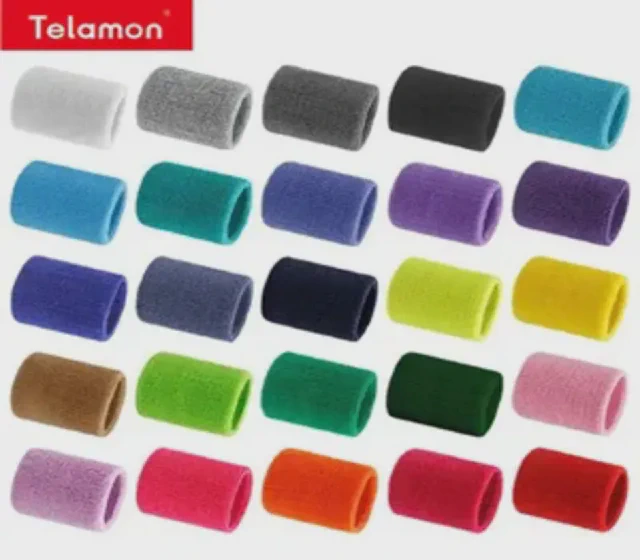
Best Wrist Support Brace Gym for Yoga Lifting Carpal Tunnel CE Approved
- MIC category
- Fitness Accessories
This supplier-listed wrist support brace is a support accessory rather than one of the four training formats compared here. It may be relevant if wrist comfort limits exercises such as planks, presses or yoga positions, but a brace does not create resistance or expand your exercise library. Treat it as a fit-dependent addition, not as a substitute for learning good wrist, shoulder and trunk positioning.
Best for People whose training plan already works and who are considering additional wrist support after professional or personal assessment.
- Takes little storage space
- Does not provide strength-training resistance
- Comfort and usefulness depend heavily on fit
- Should not be used to mask persistent pain
Confirm before inquiry: The supplier listing identifies this as a wrist support brace. It is not evidence that the product treats carpal tunnel syndrome or any other medical condition.
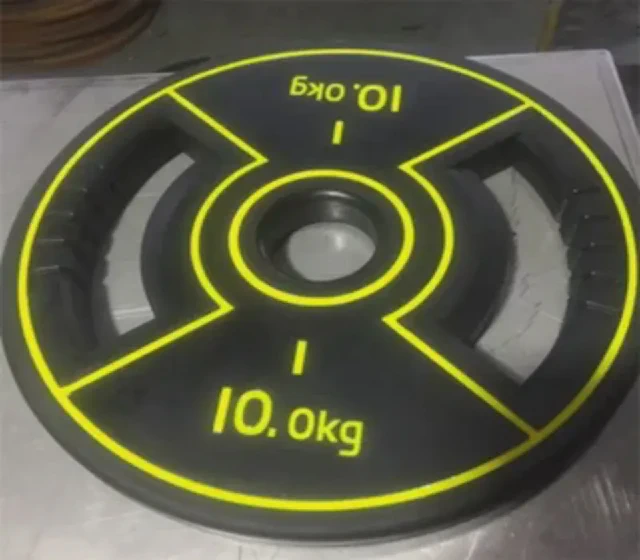
Premium Gym Equipment PU Weight Plate for Floor Protection and Fitness
- MIC category
- Fitness Accessories
The supplier listing describes this as a PU weight plate for floor protection and fitness. A plate can support loaded exercises, but it is less space-efficient for a first-time small-home setup than bands or ankle weights because it needs more storage and usually works best with other equipment or a clear plan for handling load. It may make sense later for someone who specifically wants plate-based training.
Best for Beginners who already have a structured loaded-training plan and adequate storage.
- Can add external load to selected exercises
- A solid object requires safer handling and storage
- Less versatile as a standalone beginner system
- Not necessary for starting basic strength and mobility work
Confirm before inquiry: The floor-protection and fitness description comes from the supplier listing. Confirm the plate's size, compatibility and handling requirements before ordering.
This article offers general information, not medical advice. Adjust activity to your experience and seek qualified guidance when needed.
FAQ
What is the best compact home gym accessory for a complete beginner?
For most beginners, a set of resistance bands is the most versatile starting point. Bands can support upper-body, lower-body, core and mobility work, and they are simple to store. Start with controlled movements and resistance that allows you to maintain good form.
Are suspension trainers suitable for small apartments?
They can be, provided you have a secure anchor point and enough clear space to move safely. A suspension trainer stores compactly, but its practical footprint during use is larger than its storage footprint. Do not attach one to an uncertain fixture or unsuitable door.
Should beginners buy an ab wheel?
Usually not as their first accessory. An ab wheel is compact and inexpensive in terms of storage, but rollouts require substantial trunk and shoulder control. Beginners may get more value from bands or basic bodyweight exercises before adding one.
Are ankle weights good for home workouts?
They can be helpful for controlled leg, hip and mobility exercises, especially when you prefer low-impact training. They are less versatile for full-body strength work than resistance bands, and heavier loading can make some movements uncomfortable or encourage poor mechanics.
How much clear floor space do I need?
You do not need a dedicated gym room, but you should be able to lie down, extend your arms and legs, and move without hitting furniture. Suspension training may require additional clearance around the anchor point. Keep the floor dry and free of objects that could cause a trip.