Adjustable Dumbbells vs Fixed Dumbbells vs Selectorized Dumbbells: Which Is Best for a Small Home Gym?
Compare adjustable, fixed and selectorized dumbbells for storage, cost, comfort, noise and full-body training, then choose the best setup for your small home gym.
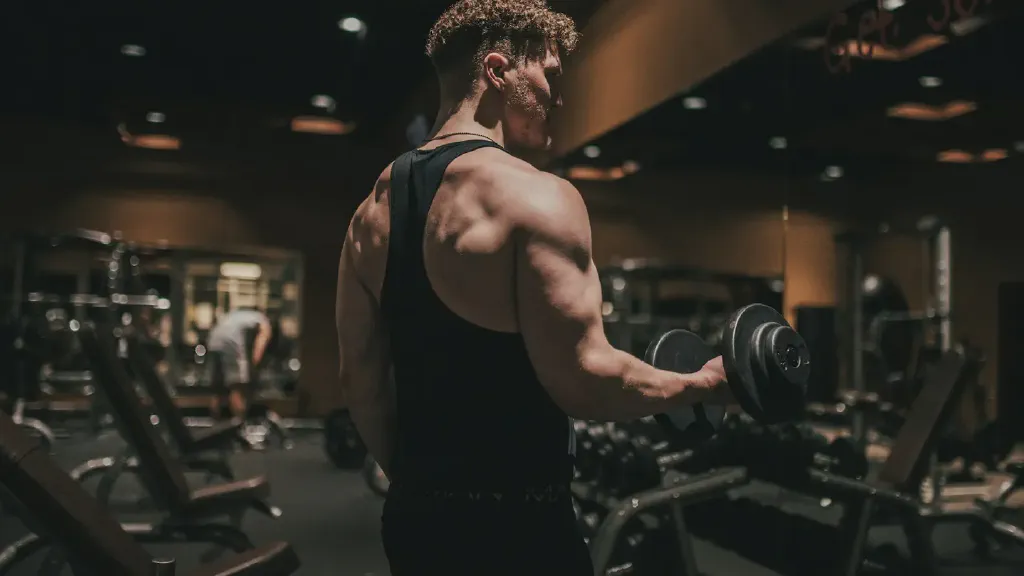
If you are choosing the best dumbbells for a small home gym, start with adjustable dumbbells unless you have a strong reason to value fixed weights or rapid selector changes. One adjustable pair can cover presses, rows, curls, lunges and squats without requiring a full rack. Fixed dumbbells are easier to grab and often feel more familiar, while selectorized dumbbells make load changes particularly convenient but usually bring more mechanical complexity.
The right choice depends less on which format is universally strongest and more on how you train, where you store equipment and how often you change resistance. Here is how the three setups compare.
Adjustable dumbbells: the space-saving default
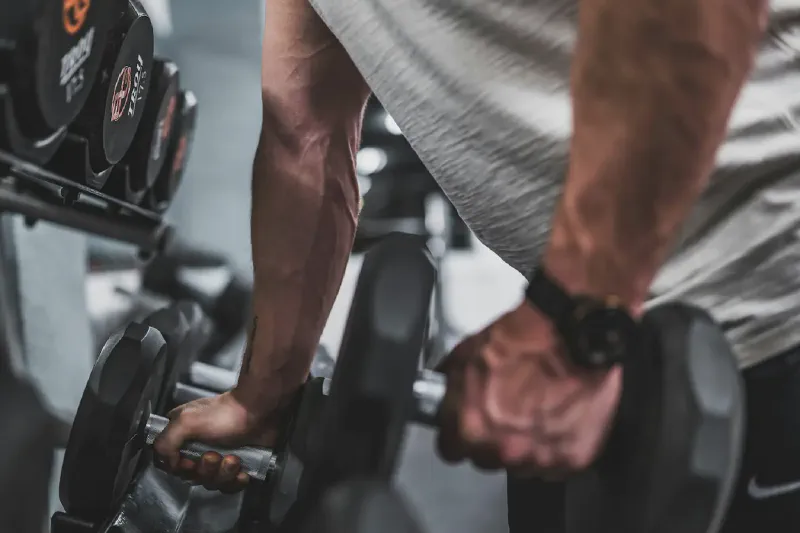
Traditional adjustable dumbbells use a handle, plates and collars or another locking system. You change the load manually, then secure the plates before lifting. This approach can be economical and flexible, especially when you are starting with a few weights and expect your strength to develop.
Their main advantage is footprint. Instead of storing multiple pairs, you store one pair of handles plus plates. That matters in a bedroom, home office or living-room corner. A plate-based system can also let you make smaller increases than a preselected set, depending on the available plates.
The trade-off is convenience. If your workout alternates between light curls and heavier goblet squats, changing the load between exercises interrupts the session. Loose plates and collars also need a designated storage spot. Poorly secured components can shift, rattle or create a safety problem, so checking both sides before every set is part of using this format responsibly.
A manually adjustable setup suits slower strength sessions, straightforward full-body workouts and anyone willing to spend a little time preparing the equipment. It is less appealing for fast circuits or workouts in which you repeatedly switch between two distant weights.
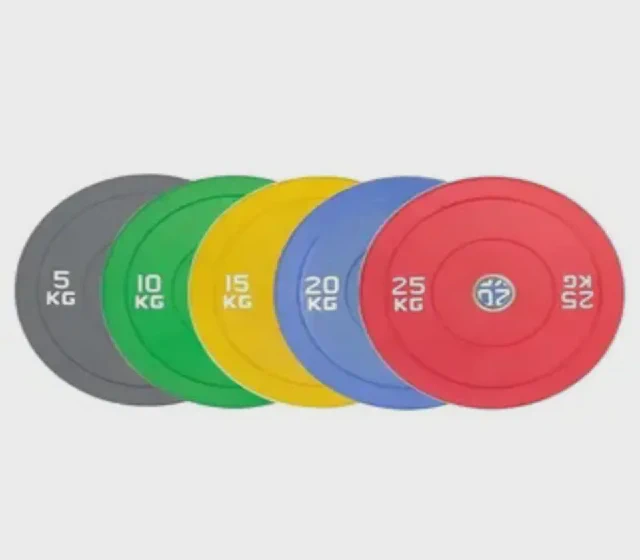
Gym Fitness Colored Weight Discs Rubber Bumper Weight Plates
- MIC category
- Dumbbell
The supplier listing describes these as gym fitness colored weight discs and rubber bumper weight plates. They are therefore more relevant to a plate-loaded adjustable setup than to a ready-to-use fixed dumbbell pair. The format can make it easier to build a flexible range of loads, but changing plates takes longer and requires careful attention to collars, balance and storage.
Best for Home exercisers who want a customizable, plate-based setup and have a secure place to store loose components.
- Listed in the Made-in-China Dumbbell category
- Product title identifies colored weight discs and rubber bumper weight plates
- Potentially useful for a manually adjustable training setup
Confirm before inquiry: The available listing information does not specify dimensions, total weight, handle compatibility, price or safety certifications. Confirm those details before purchase.
The supplier listing describes these as colored weight discs and rubber bumper weight plates, so they should be considered components for a plate-loaded setup rather than assumed to be a complete adjustable dumbbell. Confirm the handle, collar and compatibility details before treating them as a finished home-gym solution.
Fixed dumbbells: simplest handling, largest footprint
Fixed dumbbells are ready to lift. There is no plate loading, dial or selector to operate: choose the weight, check your position and begin. That simplicity is valuable for beginners who do not want equipment decisions to become another barrier to training. It is also useful for circuits, where moving from one exercise to the next should be quick.
Fixed weights can feel balanced and predictable because each dumbbell is a single unit. They are often comfortable for repeated use, although comfort still depends on the handle diameter, knurling, shape and coating. A fixed dumbbell that feels good for a row may not feel equally comfortable during a high-repetition overhead movement, so handle details matter.
The problem is storage. A pair for every training step takes more room than one adjustable pair. Even a modest full-body collection can spread across the floor or require a rack. Weights left loose on the ground create a trip hazard and can damage flooring, particularly in an apartment. A compact rack or sturdy storage area is therefore part of the space calculation.
Fixed dumbbells make sense when you have room for organized storage, share equipment with other household members or repeatedly use a limited set of loads. They are also a good choice if you dislike mechanical adjustments and want the most direct lifting experience.
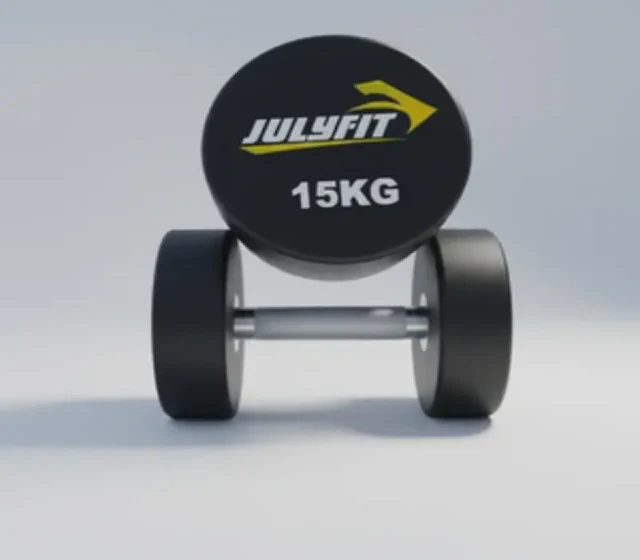
Home Gym Equipment Luxury Dumbbell Set Custom Logo CPU Dumbbells
- MIC category
- Dumbbell
The supplier listing names this as a home gym dumbbell set and identifies CPU dumbbells. A fixed set is straightforward to use: choose the pair you need, train and return it to storage. That simplicity is appealing for circuits and shared home gyms, although a complete range can occupy more floor and rack space than an adjustable system.
Best for People who prioritize immediate use, familiar handling and a tidy, repeatable setup over the smallest possible equipment footprint.
- Listed in the Made-in-China Dumbbell category
- Product title identifies a home gym dumbbell set
- Product title identifies CPU dumbbells
Confirm before inquiry: The available listing information does not confirm the set's weight range, handle design, coating performance, dimensions, price or included storage.
The product title identifies a home gym dumbbell set and CPU dumbbells. That makes it relevant to the fixed-dumbbell discussion, but the supplied information does not confirm how many pairs are included or what weight range is available. Treat the listing as a product lead and verify the complete set contents before comparing its footprint with an adjustable system.
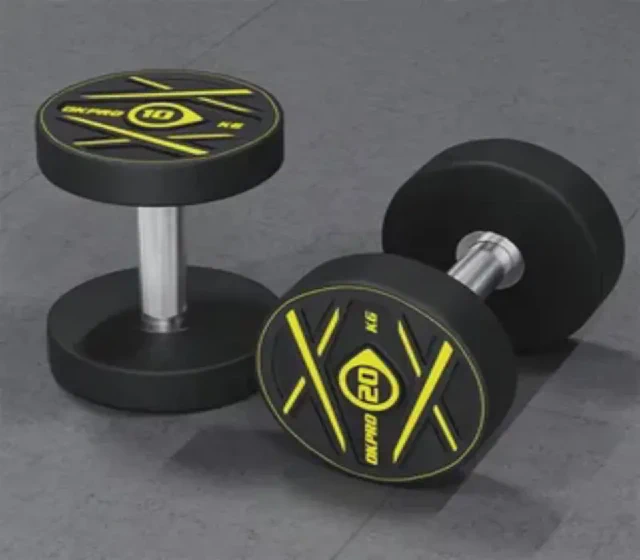
Professional Fitness Equipment Custom Dumbbell Gym Cheap PU Dumbbell for Power Training
- MIC category
- Dumbbell
The supplier listing describes this product as a professional fitness equipment custom dumbbell and identifies it as a PU dumbbell for power training. PU is presented in the product name, but the listing information supplied here does not establish how the handle feels, how the coating performs over time or whether the shape suits every exercise. As a fixed dumbbell, its main practical advantage is a quick, uncomplicated change between loads.
Best for A compact home gym that uses a small selection of fixed weights for presses, rows, squats and carries.
- Listed in the Made-in-China Dumbbell category
- Product title identifies a PU dumbbell
- Product title positions it for power training
Confirm before inquiry: Confirm weight options, dimensions, grip details, odor, floor-protection requirements and ordering terms with the supplier.
This supplier listing identifies a PU dumbbell for power training. The fixed format may work well for a small routine built around a few repeatable weights, but the available facts do not establish its exact dimensions, grip profile or coating characteristics. Those details are particularly important if you plan to store the dumbbell indoors or use it for high-volume sessions.
Selectorized dumbbells: fastest weight changes
Selectorized dumbbells use a dial, pin, lever or similar mechanism to choose the load. Their appeal is obvious: select the resistance, lift and change it again without manually handling several plates. For supersets, circuits and shared home gyms, that speed can make training feel much smoother.
They can also keep a range of weights in a relatively concentrated storage area. That does not mean they are always the smallest option. The base, selection mechanism and unusual shape may require more clearance than a simple fixed dumbbell. Some models can also feel less natural during movements that involve rotating the wrist or placing the dumbbell on the shoulder.
Mechanical parts deserve attention. Check that the selected load is visibly engaged before lifting, follow the maker’s instructions for changing weight and avoid assuming that a selectorized dumbbell can be dropped like a commercial fixed dumbbell. A careful user may find the convenience worthwhile; someone who wants the most rugged, uncomplicated tool may prefer fixed weights.
Selectorized dumbbells are best for people who change loads often and are prepared to pay for convenience. They are less compelling if you perform a short routine using the same pair for most exercises.
Which format suits your situation?
For beginners: Start with adjustable dumbbells if storage is tight and you want to learn several movements without buying a rack of weights. Fixed dumbbells are a sensible alternative if you find manual adjustments frustrating or prefer to focus on consistent technique with a few loads.
For apartment dwellers: Prioritize controlled storage, floor protection and low-noise handling. A manually loaded system can rattle if plates are loose, while fixed weights can thump when set down. Selectorized models may reduce plate handling, but they still should not be dropped. Use a mat where appropriate and place weights down deliberately.
For a compact full-body routine: Adjustable dumbbells usually offer the broadest exercise coverage per square foot. A basic routine might include a squat or lunge, a hinge, a press, a row and a carry. Fixed dumbbells are excellent if you already know the loads you use for those exercises and can store them safely.
For frequent circuits: Selectorized or fixed dumbbells are generally more convenient than manually loaded plates because transitions are faster. Choose selectorized equipment only if the mechanism feels intuitive and secure; convenience is not useful if every change requires guesswork.
The bottom line
For most ordinary home exercisers with limited space, adjustable dumbbells are the best starting point. They offer the most training variety without filling a room, provided you are comfortable changing and checking the load. Fixed dumbbells win on simplicity and immediate handling, but their storage demands grow quickly. Selectorized dumbbells win on fast adjustments, with a higher need to consider mechanism design, durability and handling comfort.
Choose the format you will store safely and use consistently. Equipment that fits your room, training style and budget is more valuable than a larger collection that remains in the corner.
Health note: Strength training can cause injury when technique, load or fatigue is poorly managed. Begin with manageable resistance, keep a clear training area and stop if you feel sharp pain, dizziness or unusual symptoms. If you have an injury, medical condition or are new to exercise, seek advice from a qualified healthcare professional before starting.
This article offers general information, not medical advice. Adjust activity to your experience and seek qualified guidance when needed.
FAQ
What are the best dumbbells for a small home gym?
For most people, adjustable dumbbells are the best starting point because one pair can cover several training loads while taking up less space than a full rack. Fixed dumbbells may be better if you prefer maximum simplicity, while selectorized models suit people who value fast weight changes.
Are adjustable dumbbells safe for beginners?
They can be safe when the weight is secured correctly, the adjustment mechanism is checked before each set and the dumbbell is handled as directed. Start conservatively and avoid dropping adjustable models unless the manufacturer explicitly allows it.
Are selectorized dumbbells the same as adjustable dumbbells?
Selectorized dumbbells are a type of adjustable dumbbell. They typically use a selector, dial or pin to choose the load, whereas traditional adjustable models often require adding plates or changing collars manually.
Are fixed dumbbells better for muscle building?
Not automatically. Muscle and strength progress depend mainly on consistent training, suitable resistance, technique and recovery. Fixed dumbbells can feel stable and convenient, but adjustable and selectorized models can also support effective progressive training.
How much space should I leave around home-gym dumbbells?
Leave enough room to pick up and set down the weights without twisting into furniture, and enough clearance for the exercises you plan to perform. A compact storage footprint is useful only if the surrounding training area remains safe and uncluttered.