Adjustable vs Fixed Dumbbells vs Dumbbell Sets: What Beginners Should Buy for a Small Home
A practical comparison of adjustable dumbbells, fixed-weight pairs and compact dumbbell sets for beginners training in a small home.
If you want the best dumbbells for beginners at home and your space is limited, buy a paired adjustable dumbbell system first—provided it has a comfortable grip, manageable starting weight and secure adjustment mechanism. It gives you several useful loads without filling a room with equipment. Choose fixed dumbbells instead if you have room for multiple pairs and want the simplest, quickest experience. Choose a compact plate-loaded dumbbell set if your budget is tight and you are happy to spend time changing plates.
The right answer is not the format with the biggest advertised maximum weight. It is the one you will take out, use safely and put away without turning every workout into a furniture-moving project.
Start with the space you actually have
Measure the place where the dumbbells will live, not just the open patch of floor where you plan to exercise. In a small flat, a pair that stores under a bed, in a cupboard or against one wall is far easier to live with than a growing line of loose weights.
Adjustable dumbbells generally have the smallest storage footprint for a useful range of loads. Selectorised models sit in cradles or trays; plate-loaded versions keep their plates and handles together. In either case, one pair can cover lighter movements such as lateral raises and heavier basics such as goblet squats, rows and floor presses.
Fixed dumbbells are compact only when you own one or two pairs. The issue arrives as you progress. A pair that is suitable for overhead pressing may be too light for deadlifts and too heavy for shoulder raises. Add a few more pairs, then a rack to stop them rolling around, and the neat idea becomes permanent furniture.
A compact dumbbell set falls between the two. Usually built around handles and removable plates, it can be packed away fairly easily. However, the parts need an organised home. Loose collars and small plates are easy to misplace, especially in a shared living space.
Adjustable dumbbells: the strongest all-round choice
For a beginner, adjustment is useful because different exercises demand different loads. Your legs and back may comfortably manage more weight than your shoulders and arms. A single fixed pair forces you either to compromise or buy more pairs. Adjustable dumbbells solve that problem with incremental changes.
Their main compromise is rhythm. A dial or selector system is fast, but it is still a pause between exercises. Plate-loaded handles take longer, especially when you need to change both dumbbells. That does not matter much in a conventional strength session with rests between sets. It can be frustrating in a fast circuit, a superset or a workout shared with another person using different weights.
Handle feel deserves more attention than beginners often give it. Some adjustable systems are longer than fixed dumbbells at lighter settings. That can make certain movements feel slightly awkward and may cause the ends to touch during presses or curls. If possible, compare handle diameter, overall length, how easy the adjustment is to read and whether the dumbbell feels balanced at your likely working weights.
Also consider how you naturally finish a hard set. Adjustable dumbbells should be placed back in their trays or on the floor with control. They are not a good choice for anyone who expects to drop weights after presses, jumps or high-intensity intervals.
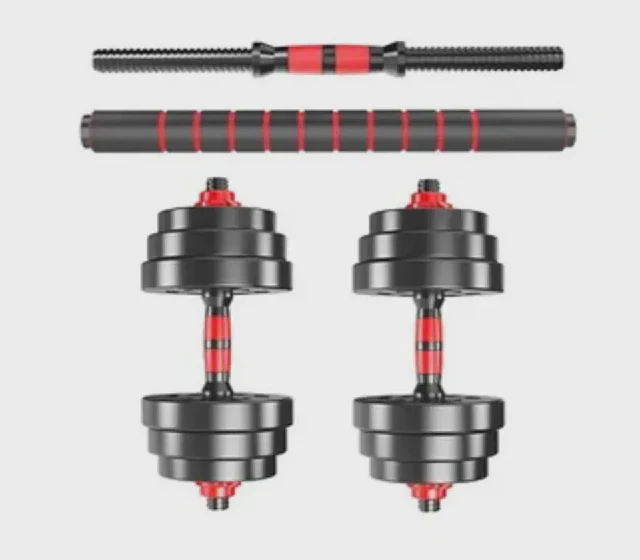
China Wholesale Home Gym Anti-Slip Eco Friendly Adjustable Custom Dumbbell Sets 20kg Cement Dumbbell Sets
- MIC category
- Dumbbell
This supplier listing is presented as an adjustable 20 kg cement dumbbell set. Plate-loaded sets are worth considering when the priority is a compact, basic way to access several loads rather than rapid dial changes. Before buying, check exactly what the listed total weight includes, whether it is supplied as a pair, the locking method and how comfortably the handles fit your hands.
Best for Beginners who want a low-clutter starter setup and do not mind changing plates between exercises.
- Multiple loads can be created from one compact set
- Useful for slower-paced full-body strength sessions
- Can be stored in a box, cupboard or designated corner
Confirm before inquiry: The product title and supplier listing are the source for its adjustable, cement-set description. Confirm all included components and compatibility details directly before purchase.
Fixed dumbbells: best for speed and simplicity
Fixed dumbbells are exactly what they sound like: each pair has one permanent weight. There are no locks, plates or settings to check. Pick them up and start. That makes them appealing for short sessions before work, fast-paced circuits, family use and beginners who find mechanisms intimidating.
They also make progression visually obvious. When a weight becomes comfortable, you reach for the next pair. The downside is that each step costs money and takes space. If you buy fixed dumbbells, avoid jumping immediately to a large commercial-style collection. Start with one or two pairs that serve your present programme, then add weight only when you have a clear reason.
A rubber hex format is often practical for home training because the six-sided ends are less likely to roll away when set down. Even so, protect your flooring with a mat where appropriate and do not assume any dumbbell is safe to throw or drop.
Fixed pairs can be especially worthwhile if you already know you enjoy intervals, supersets or partner sessions. One person can use a lighter pair while another uses a heavier pair without repeated changes. They are also the least fiddly option for movements that require shifting quickly from one exercise to the next.
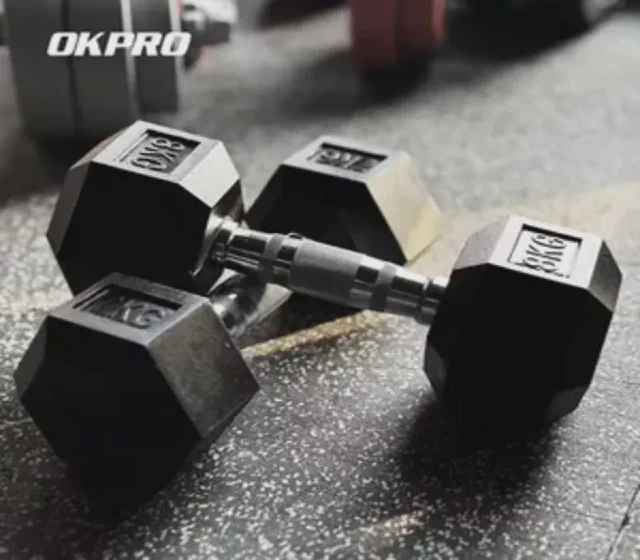
Okpro Factory Wholesale Strength Training Free Weights Rubber Lbs Gym Hex Dumbbell
- MIC category
- Dumbbell
This supplier listing identifies a rubber hex gym dumbbell, a familiar fixed-weight format. Fixed hex dumbbells are especially easy for beginners to pick up and use because there is no setup between movements. A single pair is sensible if you are certain about the weight you need, while building a collection works best when you have an intentional storage plan.
Best for People who value immediate grab-and-go use, durable everyday handling and simple circuit transitions.
- No adjustment step during a workout
- Hex shape can be more stable on the floor than round-ended designs
- Rubber-coated formats are commonly chosen for home floors and regular use
Confirm before inquiry: The listing name describes this item as a rubber hex dumbbell. It does not establish the available weight range, coating specifications or whether the item is sold individually or as a pair.
Dumbbell sets: a budget-friendly route with more setup
The phrase “dumbbell set” can mean several things. It may describe a group of fixed pairs, but for small-home shoppers it often means adjustable handles with plates and collars. Read the contents carefully. A stated total weight may refer to all the plates combined, not the load available in each hand at once.
Plate-loaded sets are a sensible choice when you value flexibility but cannot justify a premium selectorised pair. They can also make weight changes more granular, depending on the plates supplied. The trade-off is practical: you must fit plates evenly, tighten the collars securely and account for the longer ends of the loaded handle.
Before each session, check that collars are fully fastened and that both sides carry the same load. Keep unused plates where they cannot become a trip hazard. For exercises performed above the face or chest, use conservative loads until you are confident that the hardware is secure and your movement is controlled.
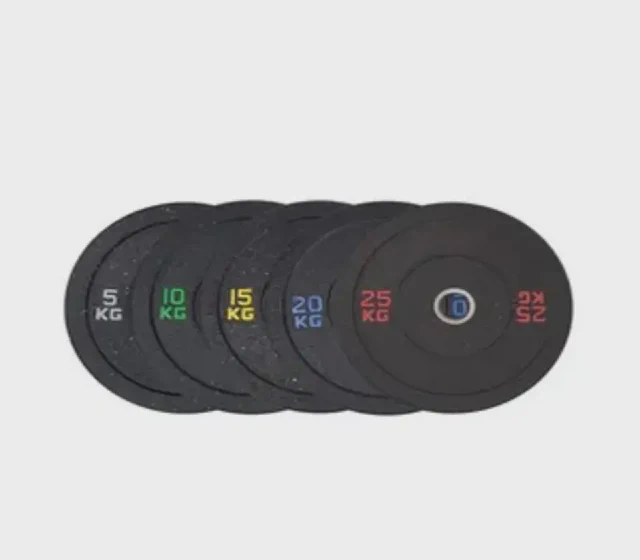
This listing is for a cast iron weight plate with rubber hi-temp crumb bumper plate wording, rather than a complete dumbbell pair. Plates can be relevant to a modular home setup when paired with compatible adjustable handles, but they add decisions about hole size, collars, storage and total handle length. For a true beginner, they make most sense only when compatibility has been checked first.
Best for A home exerciser building a plate-based system around compatible handles or other equipment.
- Potentially useful within a modular free-weight setup
- Can support gradual loading when compatible components are available
- May suit a dedicated storage area better than a living-room setup
Confirm before inquiry: This is a supplier-listed plate product in the Dumbbell category, not evidence of a complete adjustable dumbbell kit. Verify dimensions, intended use and handle compatibility before buying.
Choose a weight range for your routine, not your ambition
A beginner does not need one number that works for every exercise. Instead, think in categories. You will likely want the lightest settings for shoulder raises, triceps work and some pressing movements; middle settings for rows, lunges and curls; and heavier settings for squats, Romanian deadlifts and loaded carries.
A useful first range has enough low-end options to learn technique and enough upper range to let large muscle groups progress. Very large jumps between settings can make progression harder: a weight may be too easy one week and the next option too difficult. Smaller increments are particularly helpful for upper-body exercises.
Do not buy based on the hope that you will soon lift a very heavy load. Your needs may change, but a modest range used consistently is a better investment than an oversized system that feels intimidating or awkward to store.
A practical decision guide
Choose adjustable dumbbells if you have a studio, spare-bedroom corner or shared room; want a broad exercise menu; and are comfortable with a small pause to change loads. This is the default recommendation for most small-home beginners.
Choose fixed dumbbells if you have room for storage, prefer a traditional gym feel, regularly do quick circuits or want equipment that is as simple as possible. Start with a limited number of pairs rather than assuming you need a full rack.
Choose a plate-loaded dumbbell set if initial cost and compact storage matter most, and you do not mind a slower setup. It can be a useful entry point, but check the included pieces, collars and weight distribution carefully.
Whatever you choose, make the first month easy to repeat: clear enough floor space to move safely, learn a handful of basic patterns and stop sets before form breaks down. If you are new to exercise, returning after injury, pregnant or managing a medical condition, seek personalised guidance from an appropriately qualified health professional before beginning a strength programme.
This article offers general information, not medical advice. Adjust activity to your experience and seek qualified guidance when needed.
FAQ
Are adjustable dumbbells good for complete beginners?
Usually, yes. A paired adjustable system gives a beginner several load options for presses, rows, squats, hinges and arm work without requiring a rack of separate weights. Choose a model with weight changes you understand, a secure locking system and a starting load that is manageable for your weakest exercises.
Should beginners buy one dumbbell or a pair?
A pair is generally the more useful first purchase because it allows bilateral exercises such as floor presses, Romanian deadlifts and squats. One dumbbell can still support effective unilateral training, but it makes some exercises slower and limits simultaneous two-arm movements.
What dumbbell weights should a beginner start with?
There is no universal starting number. Choose loads that let you perform controlled repetitions with stable posture while leaving a small margin before technique changes. Many beginners need lighter loads for raises and presses than for rows, squats and hinges, which is one reason adjustable options are practical.
Do fixed dumbbells take up much more room?
One or two fixed pairs are easy to store, but a useful progression range means several pairs. Once a rack is added, the storage demand becomes much greater than that of a single adjustable pair or a compact plate-loaded set.
Can adjustable dumbbells be dropped?
Treat them as equipment that should be set down under control. Selectorised designs have adjustment mechanisms and trays that can be damaged by drops. If your training style regularly involves quick transitions or a risk of dropping weights, sturdy fixed dumbbells may be the more forgiving choice.