
Which Exercise Bike Is Best for a Small Apartment: Upright, Folding, or Recumbent?
Compare upright, folding, and recumbent exercise bikes for small apartments, including footprint, comfort, storage, stability, noise, and beginner-friendly use.

If you have limited floor space, the best exercise bike for a small apartment is usually a compact upright model. It gives most beginners a familiar riding position, takes up less room than a recumbent bike, and is easier to leave in a corner without dominating the room. Choose a folding bike instead when putting the equipment away after every session matters more than maximum stability. Choose a small recumbent bike when supported seating, easy balance, or a more relaxed back position is your priority.
The important point is that “small” has two meanings. A bike may have a modest operating footprint but still be awkward to carry, difficult to fold, or too long to store beside a sofa. Before buying, measure the space used while riding, the space required to mount and dismount, the folded dimensions if applicable, and the route through your home.
Upright exercise bikes: the best all-round apartment choice
An upright bike places you in a position broadly similar to a traditional bicycle. The saddle is above the pedals, your torso is relatively upright, and the handlebars sit in front of you. This design is normally the easiest compromise between a realistic cycling feel and a compact footprint.
For short beginner workouts, an upright bike is practical because it can support gentle pedalling, moderate intervals, and regular sessions without requiring a large dedicated exercise area. It is also usually easier to position near a wall or in a bedroom corner than a longer recumbent frame.
The trade-off is comfort. A narrow saddle and forward-leaning position may feel less forgiving than the broad seat of a recumbent bike, especially if you are new to cycling. Seat height is crucial: your knee should remain slightly bent at the bottom of the pedal stroke rather than locking straight. Handlebars should be close enough that you do not round your shoulders or reach uncomfortably.
An upright bike can be stable, but compact does not automatically mean secure. A light frame may move slightly during faster pedalling, particularly on a hard floor. Look for a firm base, level-adjustment feet, and a seat post that does not wobble. A rubber mat can help protect the floor and reduce small vibrations.
The supplied listing below is the closest match to this format, but its dimensions and storage details are not included in the available facts:
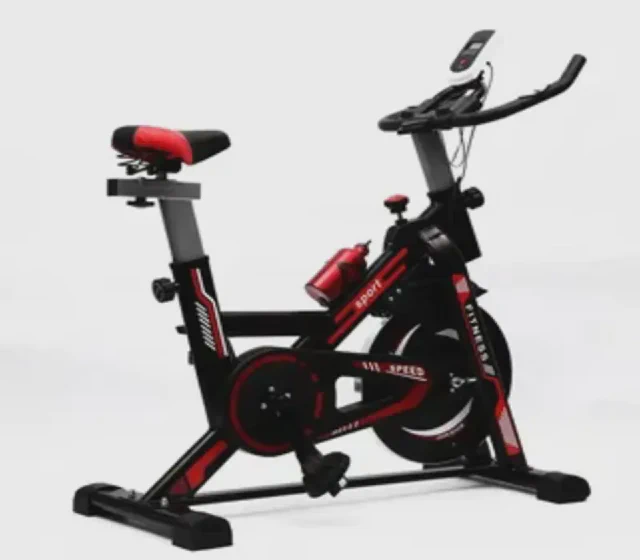
Indoor Fitness Magnetic Spin Spinning Bike Bicicleta De Gimnasio Exercise Bike
- MIC category
- Exercise Bike
Among the supplied listings, this is the clearest match for an indoor cycling comparison: the supplier name identifies it as an indoor magnetic spin or spinning bike. Its listing does not provide dimensions, weight, resistance range, noise information, or storage features, so those details need to be confirmed before deciding whether it suits a small apartment.
Best for Readers looking for a conventional upright-style indoor cycling setup and willing to verify fit and storage details first.
- Product name identifies an indoor magnetic spin bike
- Listed under the Exercise Bike category
- Supplier-listed product details do not include dimensions or storage information
Confirm before inquiry: Do not assume that a magnetic spin bike folds or has a small footprint without confirmation from the supplier.
Folding exercise bikes: easiest to store, not always easiest to ride
A folding bike is attractive when your living room serves as both gym and everyday space. Once a session is finished, you may be able to reduce its footprint and move it beside a wardrobe, under a desk, or into a storage area. That can make a real difference: equipment that disappears is less likely to become a permanent obstacle.
However, the hinge introduces questions that do not matter as much on a fixed-frame bike. Check how the frame locks in both riding and folded positions, whether the bike has a carrying handle or transport wheels, and how much effort is needed to move it. A folding frame can still be heavy, and a narrow folded shape may be harder to balance while carrying.
Stability is the main compromise. For light cardio and 10- to 20-minute beginner sessions, a well-designed folding bike may be perfectly adequate. If you expect to stand on the pedals, ride hard, or increase resistance aggressively, a fixed upright frame is usually the more reassuring choice. Avoid placing a folding bike on a thick, soft rug that allows the feet to sink or rock.
Pay attention to the real storage routine. If folding requires removing the seat, unplugging a display, or lifting the bike over furniture, you may stop doing it after the novelty wears off. A slightly larger bike that can remain safely in one usable corner may be more practical than a smaller bike that is frustrating to pack away.
Recumbent exercise bikes: most supportive, largest footprint
A recumbent bike has a broad seat with back support and places the pedals in front of the body. You step through or around the frame rather than climbing onto a high saddle. This can make the format appealing to beginners who feel unsteady on a conventional bike or prefer a more supported seated position.
For easy, low-impact cardio, a recumbent design can feel comfortable and approachable. The backrest may reduce the need to support your torso with your arms, while the wide seat can be more forgiving during longer gentle sessions. It is also easier to settle into a consistent pace while watching a programme or listening to audio.
The cost is floor space. Even a small recumbent bike is often longer than an upright model, and the open area around the seat matters because you need room to sit down safely and get out again. Its shape can also be harder to tuck neatly into a narrow corner. Measure the frame length, not just the distance between the front and rear feet, and check whether the seat adjustment will work for every intended user.
A recumbent bike is not automatically quieter or more stable than an upright bike. Its broad base may feel secure, but noise still depends on the resistance mechanism, moving parts, floor surface, and maintenance. It also will not solve a storage problem if the bike blocks a walkway when not in use.
What about the other supplied listings?
The verified catalog placement is not enough to confirm a product’s format. One supplied listing is named as a treadmill, while another is described as a stair-climbing machine and stationary treadmill trainer. Neither should be presented as an exercise-bike recommendation without clarification:
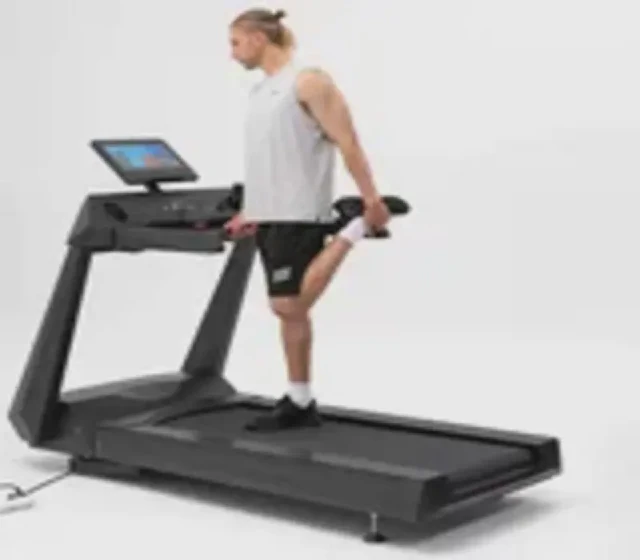
AC Motor Exercise Incline Motorized Sport Running Fitness Gym Treadmill Machine
- Displayed price
- US$ 930-950 / Piece
- MIC category
- Exercise Bike
This supplier listing appears in the verified Exercise Bike category, but its product name identifies it as a motorized treadmill. It should not be treated as an upright, folding, or recumbent bike for this comparison. The displayed supplier price is US$ 930-950 per piece; no exercise-bike specifications are provided in the supplied listing facts.
Best for Readers specifically comparing treadmills with bikes, not shoppers seeking a compact seated cycling machine.
- Listed under the Exercise Bike category
- Product name describes a treadmill rather than a bike
- Displayed price: US$ 930-950 / Piece
Confirm before inquiry: Verify the equipment type, dimensions, and intended use directly with the supplier before considering this listing.
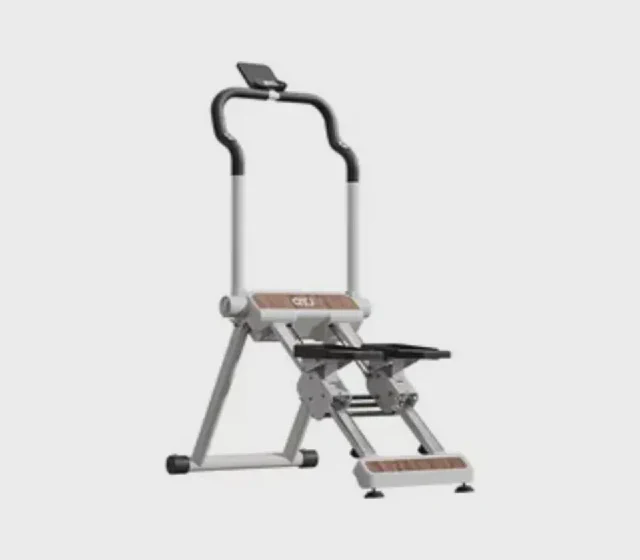
Cross-Border Multi-Functional Stair-Climbing Machine Home Steppers Exercise Fitness Equipment Stationary Treadmill Trainer
- MIC category
- Exercise Bike
This listing is also shown in the verified Exercise Bike category, while the product name describes a multi-functional stair-climbing machine and stationary treadmill trainer. It does not provide enough information to compare it fairly with a seated upright, folding, or recumbent exercise bike.
Best for Shoppers exploring compact cardio equipment beyond indoor cycling.
- Listed under the Exercise Bike category
- Product name refers to stair-climbing and treadmill-style equipment
- No displayed price or exercise-bike dimensions are supplied
Confirm before inquiry: Treat the category placement as a catalog label, not confirmation that this is an exercise bike.
This is a useful reminder when shopping online: read the product title, dimensions, photographs, and specification sheet rather than relying on a broad catalog category alone.
Noise, neighbours, and everyday use
For apartment workouts, noise has two parts: airborne sound and vibration through the floor. A smooth pedalling action is preferable, but even a quiet drive system can transmit thumps if the bike rocks or if you pedal heavily on a hard surface. Place the bike on a dense exercise mat, keep it level, and tighten accessible fasteners according to the manufacturer’s instructions.
Avoid assuming that “magnetic” means completely silent. It may reduce certain mechanical sounds, but the flywheel, belt, pedals, frame, and floor still contribute to the total noise. If you share walls or floors, begin with short sessions at low resistance and check whether vibration travels beyond the room.
A simple decision guide
Choose a compact upright bike if you want the best balance of size, stability, and ordinary cycling feel. Choose a folding bike if you have a strict storage requirement and your workouts will stay light to moderate. Choose a recumbent bike if comfort, back support, and easy mounting outweigh the extra length.
Whichever format you choose, prioritise adjustability over an impressive display. A correctly positioned seat, stable contact with the floor, and a comfortable resistance range matter more for a beginner than a long list of workout programmes. Start with five to 10 minutes of easy pedalling, build gradually, and stop if you experience sharp pain, unusual dizziness, chest pain, or severe shortness of breath. If you have an injury, heart or blood-pressure condition, significant balance concerns, or are returning to exercise after a long break, ask a qualified healthcare professional whether indoor cycling is appropriate for you.
This article offers general information, not medical advice. Adjust activity to your experience and seek qualified guidance when needed.
FAQ
What is the best exercise bike for a small apartment?
For most beginners, a compact upright bike offers the best balance of footprint, riding comfort, stability, and everyday usability. Choose a folding bike instead if storing the equipment out of sight is your top priority. A recumbent bike makes more sense when supported seating and easy balance are more important than the smallest footprint.
Are folding exercise bikes stable enough for beginners?
Many are suitable for gentle and moderate workouts, but stability varies. Look for a broad base, secure locking points, level-adjustment feet, and a seat and handlebar that do not flex when you pedal. A folding design should never be chosen on storage convenience alone.
Is a recumbent bike too large for an apartment?
Not necessarily, but recumbent bikes usually occupy more floor length than upright bikes. Measure the full riding footprint and leave enough room to approach the seat, adjust the pedals, and move around the bike safely.
Which exercise bike is quietest for apartment use?
A bike with smooth resistance and a well-maintained drive system is generally a better neighbour-friendly choice than one that produces rattling or abrupt mechanical noise. Use it on a rubber mat, keep the frame level, and avoid hard sprinting if vibration travels through the floor.
How much space should I leave around an exercise bike?
Leave enough clearance to mount and dismount without twisting around furniture, and keep nearby doors, walkways, and heaters unobstructed. The manufacturer's operating dimensions are only the bike's footprint; your usable workout zone needs to be larger.