
Upright, Recumbent or Folding: Which Exercise Bike Fits a Small Apartment?
A practical comparison of folding upright, standard upright and recumbent exercise bikes for small apartments, with guidance on footprint, storage, comfort, noise and beginner-frie

If you need to put the machine away after every workout, choose a folding upright bike. If you can reserve a small corner for it, a standard upright bike is usually steadier and easier to use regularly. Choose a recumbent bike when back support, an easier step-through entry and a relaxed riding position matter more than floor space. For most apartment beginners, the best exercise bike for a small apartment is the one that fits both the room and the routine you will realistically maintain.
The three formats can all provide low-impact indoor cardio, but they solve different problems. A compact bike that is uncomfortable, noisy or too awkward to retrieve from storage can quickly become furniture. Start by deciding whether your priority is storage, riding comfort or a more solid everyday setup.
Compare the three apartment-friendly formats
| Format | Space profile | Riding position | Best fit for | Main compromise |
|---|---|---|---|---|
| Folding upright | Smallest storage footprint; folds after use | Upright, usually fairly compact | Multi-purpose rooms and occasional to regular short rides | Often less stable and less adjustable than full-size bikes |
| Standard upright | Compact in use, but stays assembled | Vertical, similar to a traditional bicycle | A dedicated corner and frequent sessions | Requires permanent floor space and can have a firmer saddle |
| Recumbent | Usually the longest frame | Reclined seat with backrest and forward pedals | Comfort, easy mounting and supported cardio | Takes the most floor space and is seldom convenient to store |
Listed dimensions vary substantially by model, but the broad pattern is dependable: upright studio-style bikes commonly occupy less length than recumbents, while folding bikes usually reclaim the most space once stored. Do not shop only from a square-footage estimate. A bike can fit on paper yet block a drawer, door, radiator or walking route.
Folding upright: best when the room must remain a room
A folding upright is designed for the person whose lounge, bedroom or dining area has more than one job. After a 15- to 30-minute ride, you can fold the frame and move it against a wall, into a closet or behind furniture if its folded dimensions permit it.
That convenience makes this format particularly approachable for beginners. There is less pressure to build a dedicated home gym, and basic models often have simple controls: a resistance dial, pedals, a small display and seat-height adjustment. For easy, steady riding, those essentials may be enough.
The trade-off is that compact folding frames tend to be lighter and less rigid than full-size machines. They may have fewer handlebar and saddle adjustments, a smaller seat and a narrower resistance range. That does not make them unsuitable; it means they are better matched to light or moderate sessions than to hard standing efforts, sprint intervals or long daily training.
Before buying, measure both positions. Record the unfolded length and width, then the folded depth and height. Confirm that you can safely lift, roll or carry it to its storage spot. A foldable bike that weighs more than you can comfortably handle will likely remain unfolded.
Standard upright: best for a permanent workout corner
A standard upright is the middle ground. It takes more dedicated space than a folding model but is typically shorter than a recumbent. The vertical riding posture uses a saddle, pedals beneath the body and handlebars in front, creating a familiar bicycle-like setup.
For someone building a habit of short beginner sessions, a standard upright can be the most practical long-term choice if it can stay assembled. You do not need to unfold it, position it and make room before every ride. That lowers the friction between deciding to exercise and actually starting.
Full-size uprights also commonly offer a more stable platform and greater adjustability. Look for enough seat-height range to achieve a slight bend in the knee at the bottom of each pedal stroke. If the model permits it, fore-and-aft saddle adjustment can help you avoid feeling cramped or overreached. Handlebar adjustment is useful but should not distract from the basics: safe mounting, a secure seat position and comfortably reachable controls.
The downside is comfort for some riders. An upright saddle may feel firm, and leaning toward the handlebars can be less agreeable if you have difficulty staying comfortable in that posture. Avoid assuming that a padded saddle cover will solve every fit problem; correct seat height and a manageable riding duration matter too.
Recumbent: best when support is the priority
A recumbent bike places you in a chair-like seat with back support and pedals ahead of your body. The wide, supported position can feel less intimidating for a person returning to exercise, particularly when getting on and off an upright-style frame feels uncertain. Many recumbents use a low step-through opening, so mounting does not require swinging a leg high over the frame.
Comfort is the major attraction. A supportive backrest and larger seat can make steady cycling easier to tolerate, which may help a beginner repeat sessions week after week. It remains low impact because the pedals turn rather than striking the floor as running does.
But recumbent does not mean compact. Its long frame may run across a room in a way an upright does not. Measure the space from the rear of the seat to the furthest pedal position, plus a clear entry path. Check whether the seat slides on rails, as the adjustment can affect the overall working length.
A recumbent is worth making room for when physical comfort is the barrier most likely to stop you exercising. If space is the barrier, however, a folding or compact upright is normally easier to live with.
Noise: resistance matters, but so does the floor
For apartment use, magnetic resistance is generally the quietest choice. It changes resistance without a friction pad rubbing directly against a flywheel, and it avoids the rushing fan sound that increases with speed on an air-resistance bike. A belt-driven magnetic bike is often a sensible specification to prioritise for early-morning or evening riding.
An air-resistance upright can still suit the right household, especially if you value a fan-bike workout and can exercise at considerate hours. The approved supplier listing below is an example of that format, but its air-resistance design deserves a noise check before it is chosen for a shared-wall setting.
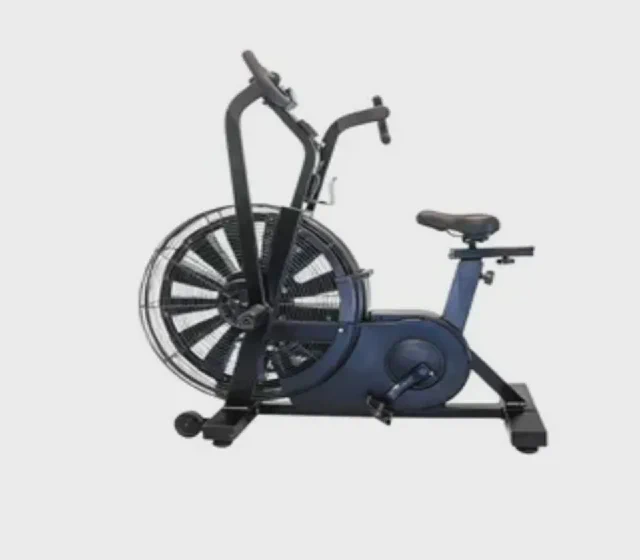
Home Gym Equipment Air Resistance Upright Indoor Exercise Bike Fan Bike
- MIC category
- Exercise Bike
This Ningjin Baoxuan Fitness Technology Co., Ltd. supplier listing is for a Home Gym Equipment Air Resistance Upright Indoor Exercise Bike Fan Bike. Its upright format is relevant to apartment buyers who prefer a more active, conventional cycling position. However, air resistance commonly becomes louder as pedalling speed rises, so it is not the automatic choice for thin walls or late-night sessions.
Best for People with a permanent workout corner who want an upright format and do not require the quietest resistance system.
- Upright riding position
- Air-resistance format
- Listed in the Exercise Bike category
Confirm before inquiry: The supplier listing does not provide a displayed price in the approved product data. Confirm dimensions, resistance noise, adjustment range and delivery details directly before purchase.
Noise is not only the drive system. A loose pedal, uneven floor, sliding mat or rocking frame can transmit vibration. Put the bike on a dense equipment mat, follow the assembly instructions precisely and periodically check accessible fasteners. Pedal smoothly rather than bouncing in the saddle. If you live above another unit, these small details can matter as much as the advertised quietness.
A five-minute measurement plan before you order
Use masking tape or paper on the floor to mark the manufacturer’s stated in-use length and width. Then add practical clearance for mounting, dismounting and moving around the bike. Sit in the proposed position mentally: can a door still open, can someone pass, and can you access the seat adjustment?
Next, measure the route from the building entrance to the intended room. Tight turns, stairs, lifts and narrow hallways can be more limiting than the room itself. Check the packaged dimensions and total item weight before delivery, not just the assembled footprint.
Finally, consider ceiling height if you are tall or expect to pedal standing up on an upright. Even though exercise bikes are lower than many cardio machines, a rider’s head and upper-body movement need clearance beneath lights, fans and low ceilings.
Listings that do not match this bike comparison
Category inventories can occasionally place unrelated fitness equipment alongside exercise bikes. The two approved listings below are included for transparency, but neither is a substitute for the folding-upright, standard-upright or recumbent formats discussed in this guide.
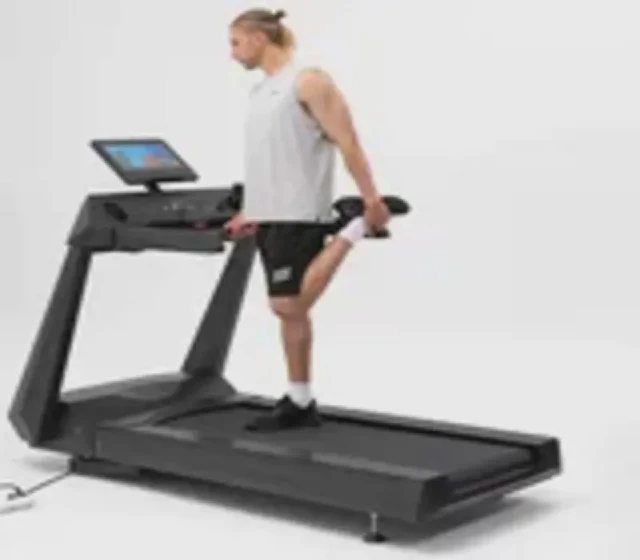
AC Motor Exercise Incline Motorized Sport Running Fitness Gym Treadmill Machine
- Displayed price
- US$ 930-950 / Piece
- MIC category
- Exercise Bike
Although this All Universe Fitness Technology (Qingdao) Co., Ltd. listing appears in the supplied Exercise Bike category inventory, the product name identifies it as an AC Motor Exercise Incline Motorized Sport Running Fitness Gym Treadmill Machine. A treadmill is not a substitute for the low-impact seated cycling formats compared here, and motorised running equipment can create more impact and vibration for apartment neighbours.
Best for Shoppers specifically seeking a treadmill rather than a compact, low-impact exercise bike.
- Supplier-listed displayed price: US$ 930-950 / Piece
- Motorised incline treadmill format
- Different space and noise considerations from an exercise bike
Confirm before inquiry: Treat its category placement with care: the product title describes a treadmill. Verify the full specifications, dimensions and suitability for your building before considering it.
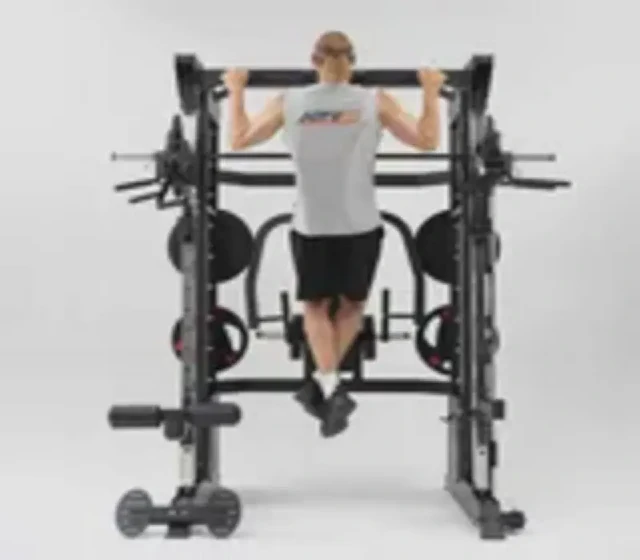
All-in-One Multi-Functional Smith Gym Machine for Home Gym Fitness
- Displayed price
- US$ 1150-1200 / Piece
- MIC category
- Exercise Bike
This All Universe Fitness Technology (Qingdao) Co., Ltd. listing is titled All-in-One Multi-Functional Smith Gym Machine for Home Gym Fitness. It is not an upright, folding or recumbent bike. For a small apartment beginner focused on quiet, low-impact cardio, a large multi-station machine is a fundamentally different purchase with much greater space, assembly and floor-loading questions.
Best for People planning a dedicated home-gym setup rather than compact indoor cycling.
- Supplier-listed displayed price: US$ 1150-1200 / Piece
- Multi-functional strength-training format
- Not comparable with compact exercise-bike formats
Confirm before inquiry: The approved listing data places this item in the Exercise Bike category, but its name describes a Smith machine. Confirm all dimensions, included components and installation requirements with the supplier.
Make the choice based on your real constraint
Choose a folding upright if you need to store the bike after every ride, live in a truly multi-use room and mainly want calm, manageable cardio sessions. Choose a standard upright if you can leave it out and want a more stable, adjustable machine for a regular routine. Choose a recumbent if a supported seat, easier access and comfort are more important than having the smallest footprint.
Whichever format you choose, begin with an easy pace you can repeat: perhaps 10 to 15 minutes, two or three times a week, then build gradually as it feels manageable. Stop if you experience chest pain, faintness, unusual shortness of breath or sharp pain. If you have a medical condition, recent injury, significant joint symptoms or concerns about starting exercise, seek personalised advice from a qualified healthcare professional before beginning a new routine.
This article offers general information, not medical advice. Adjust activity to your experience and seek qualified guidance when needed.
FAQ
What is the best exercise bike for a small apartment?
There is no single best type for every apartment. A folding upright usually works best when storage is the main issue; a compact standard upright suits people who can dedicate a small workout corner; and a recumbent is often the better comfort choice if its longer frame fits the room.
Are folding exercise bikes stable enough for beginners?
Many are suitable for light to moderate beginner riding, but they can feel less planted than a full-size upright bike. Check the stated user-weight limit, frame design, adjustment range and whether the bike feels appropriate for the frequency and intensity you expect to use.
Which type of exercise bike is quietest in an apartment?
Magnetic-resistance bikes are generally quieter than fan or friction-resistance designs. Pedalling technique, loose parts, flooring and vibration transfer also affect what neighbours hear, so place the bike on a dense mat and keep fasteners checked.
Do recumbent bikes take up more room than upright bikes?
Usually, yes. Recumbent bikes extend forward because the pedals sit in front of the seat. Typical recumbent frames are longer than upright frames, so assess the full in-use length rather than assuming a seated bike is compact.
How much room should I leave around an exercise bike?
Leave enough clear space to mount and dismount safely, operate adjustments and move around the machine without catching furniture. Also account for the pedal path, any moving handlebars, open doors and the route needed to bring the box into the apartment.