Foldable vs Upright vs Recumbent Exercise Bikes: Which Is Best for a Small Home?
Choose the best exercise bike for small spaces by comparing foldable, upright, magnetic-resistance upright and recumbent designs for footprint, storage, comfort and ease of use.
If you need the bike to fit in a small room and disappear afterwards, choose a foldable upright bike. If it can live in one spot, a compact upright—ideally with magnetic resistance—is usually the best all-round choice. Choose a recumbent bike only if easy mounting, a supportive seat and steady comfort matter more than saving floor space.
That is the short answer, but the best exercise bike for small spaces is not simply the smallest one. A bike that folds but feels awkward to sit on may end up unused. Equally, a supportive recumbent model can be an excellent daily tool, but it may dominate a studio flat or block a walkway. Start with the room, then consider how you get on the bike, how long you expect to ride and whether you want gentle movement or more challenging sessions.
Start with a real-space check
Measure the area where the bike will be used, not only the corner where it will be parked. Compact upright bikes commonly need roughly 20 to 24 inches of width and 40 to 50 inches of length while in use. Recumbent bikes are usually longer, often around 55 to 68 inches front to back. A folded bike needs less storage space, but it still needs room to open safely.
Also measure the doorway, lift or stair turn the box and assembled bike must pass through. Leave practical clearance to get on and off without twisting around furniture. If you share walls or live above someone, include a protective floor mat in the plan: it can reduce vibration, protect flooring and help stop the bike creeping during a ride.
Finally, distinguish between storage footprint and workout footprint. A bike stored behind a sofa may be compact enough, but it is not convenient if moving it requires clearing a room every time. The best choice is one you can set up often enough to build a routine.
1. Foldable upright bikes: best when storage is non-negotiable
Foldable upright bikes use a hinged frame, typically closing inward after a session. Many have a small in-use footprint, and their folded form is easier to tuck beside furniture, in a cupboard or against a wall. This makes them a practical answer for renters, multipurpose living rooms and anyone without a dedicated fitness area.
The compromise is usually a lighter, simpler build. Folding mechanisms, shorter frames and modest flywheels can make these bikes feel less planted when pedalling hard. The saddle may be basic, adjustment ranges can be limited and displays are often functional rather than feature-rich. They are well suited to easy-to-moderate rides, gentle intervals and rebuilding fitness, but may not satisfy someone who wants frequent high-intensity cycling sessions.
Before choosing one, test the folding sequence if possible or study the instructions. Ask: does it lock firmly open and closed? Does it have transport wheels? Can you fold it without lifting its whole weight? And will the folded bike still fit where you intend to store it? “Foldable” does not automatically mean light.
A foldable model is a strong fit if your main goal is 20 to 30 minutes of low-impact movement most days. It is less compelling if you want a bike that feels like a road or studio cycle.
2. Compact upright bikes: the balanced small-home choice
A standard upright exercise bike resembles a traditional bicycle more closely: you sit above the pedals on a saddle, hold handlebars in front and maintain your own trunk position. It generally takes more space than a folded-away bike but less length than a recumbent. For many households, that is the useful middle ground.
Uprights are versatile. You can ride easily for steady cardio, increase resistance for shorter efforts and change hand position as you become more confident. Because the seat is smaller and there is no backrest, they require more balance and may feel demanding at first—particularly if you are unused to saddles or have limited hip mobility.
Pay close attention to adjustment. At minimum, you want sufficient seat-height range to pedal without locking out the knee at the bottom of the stroke. If the handlebars or seat can move fore and aft, that adds scope to find a less cramped position. A stable base, clear resistance controls and easily reachable handlebars matter more than a large screen for a beginner.
3. Magnetic-resistance upright bikes: worth seeking in an apartment
Magnetic resistance is a feature rather than a separate bike shape, but it deserves its own place in a small-home decision. Magnets create resistance without a friction pad pressing directly onto the flywheel. In practice, that usually means a quieter, smoother ride and less wear from contact parts than a friction-resistance system.
For apartment living, quiet operation can be a major advantage. It will not make a bike silent: pedals, drivetrain parts, loose bolts and floor vibration can still create noise. But magnetic resistance is often the sensible starting point when early-morning or late-evening workouts are likely.
This listing is a useful prompt to confirm exactly what a supplier means by an upright magnetic bike. Its title spans several bike formats, so the essential questions remain: what are the assembled and packed dimensions, is resistance manually or electronically adjusted, what is the user-weight limit, and does the stated model actually match the product photographs?
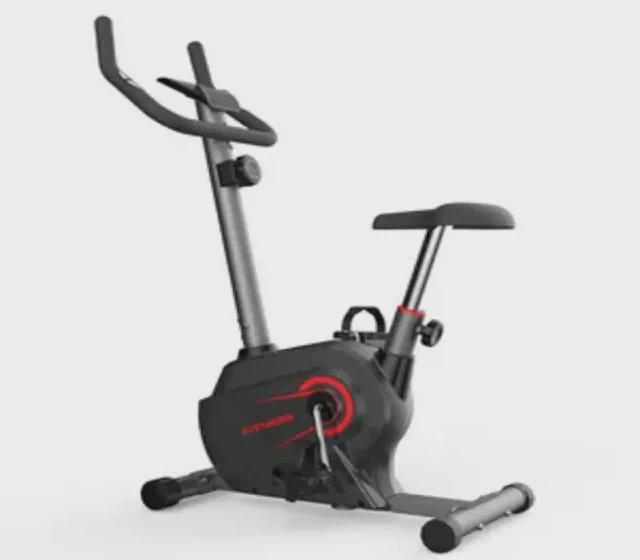
Wholesale Recumbent & Upright Exercise Bike, Spinning Gym Bike Indoor Fitness Bike Home Gym Equipment Fitness Gym Machine Home Gym Bike Upright Magnetic Bike
- MIC category
- Exercise Bike
This supplier listing is relevant to shoppers comparing upright, recumbent and magnetic bike formats. Its title refers to several bike styles, including an upright magnetic bike, so confirm the exact configuration, dimensions, resistance system and included features directly with the supplier before treating it as a like-for-like model comparison.
Best for Buyers who want to explore a conventional upright format and specifically ask about magnetic resistance, compact dimensions and adjustment range.
- Listed in the Made-in-China Exercise Bike category
- Listing title references recumbent, upright, spinning and upright magnetic bike formats
- Supplier: Suzhou Zichen Electronic Technology Co., Ltd.
Confirm before inquiry: The listing title covers multiple formats rather than providing a complete specification for one clearly defined home-bike setup. Verify the exact product variant and all practical details before ordering.
A magnetic upright is often the best exercise bike for small spaces when the bike will stay assembled in a bedroom, spare room or living-room corner. It is compact enough for everyday life while offering more stable, progressive training than many entry-level folding models.
4. Recumbent bikes: comfort first, footprint second
A recumbent bike places you in a reclined, chair-like seat with a backrest and pedals out in front. Its low step-through frame can make getting on and off feel much easier than swinging a leg over an upright frame. The wider seat and back support can also make longer, steady rides more approachable for beginners and for people who find a narrow saddle uncomfortable.
Both upright and recumbent bikes are low-impact forms of cardio because the pedals support the movement rather than repeated foot strikes. However, recumbents are especially appealing where balance, confidence or comfort is the barrier to exercising consistently.
Their key drawback is length. The frame needs room for the seat, sliding adjustment and forward pedal position, so a recumbent bike can take up a substantial strip of floor even when it is fairly low in height. It may fit under shelving visually, but it is not a bike you can casually hide in a cupboard.
Choose recumbent if you have room for a permanent setup and expect comfort to keep you riding longer. Choose upright if you need a smaller footprint, want a more familiar cycling posture or prefer a greater sense of workout variety.
Where does a spinning bike fit?
A spinning or indoor cycling bike is also upright, but it is usually built around a more forward-leaning, training-focused position. It can be excellent for structured intervals and riders who enjoy a vigorous cycling feel. For a beginner in a small home, though, it is not automatically the best option. The saddle can feel firmer, the posture asks more of your wrists, hips and core, and many models are designed to remain in place rather than fold.
The following supplier listing identifies a spinning bike for commercial cardio training. Treat it as a format reference rather than proof that it meets the needs of a compact home: dimensions, resistance design and moving requirements should all be confirmed before purchase.
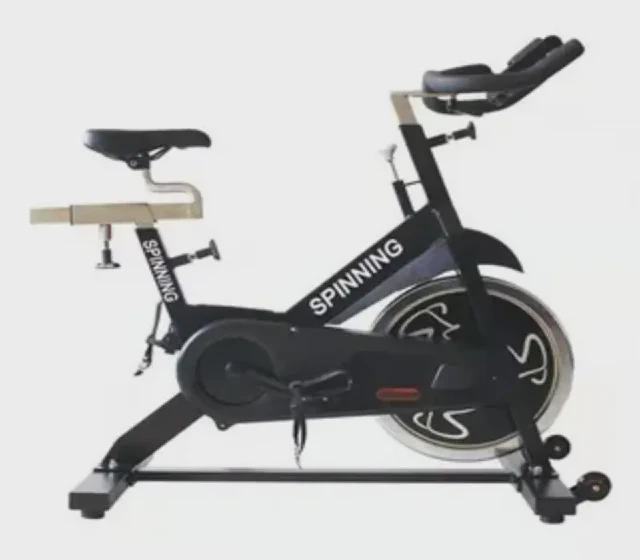
Hot Selling Exercise Spinning Bike Gym Fitness Equipment for Commercial Cardio Training
- MIC category
- Exercise Bike
A spinning bike represents the more performance-focused end of upright cycling. The supplier listing describes it as commercial cardio training equipment, which may suit riders seeking a harder, more cycling-specific setup, but it may be less suitable than a compact upright or foldable bike when storage and beginner comfort are the main priorities.
Best for Experienced riders or confident beginners who have a dedicated workout area and want a more training-led upright riding position.
- Listed in the Made-in-China Exercise Bike category
- Supplier listing title identifies a spinning bike for commercial cardio training
- Supplier: Shandong Savo Technology Fitness Equipment Co., ...
Confirm before inquiry: No price, dimensions, resistance type or folding capability is provided in the approved listing information. Ask for these details, along with product weight and moving-wheel arrangements, before planning a small-room installation.
A note on checking listings carefully
When searching broad equipment categories, do not assume every result is the same type of machine. The item below is categorised in the available Exercise Bike inventory, yet its title identifies a motorised incline treadmill. It should not be included in a bike comparison, and it illustrates why the title, specifications and intended use deserve a careful read.
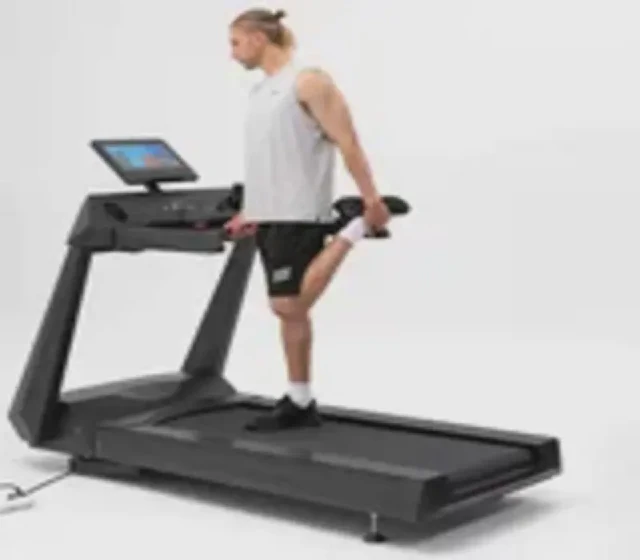
AC Motor Exercise Incline Motorized Sport Running Fitness Gym Treadmill Machine
- Displayed price
- US$ 930-950 / Piece
- MIC category
- Exercise Bike
Although this item appears within the verified Exercise Bike category inventory, its supplier-listing title identifies it as an incline motorised treadmill. It is not a substitute for the bike formats compared in this guide. It is useful chiefly as a reminder to check product titles and specifications carefully when browsing broad fitness-equipment category pages.
Best for Shoppers comparing home cardio categories who need to distinguish a treadmill from a low-impact stationary bike.
- Supplier-listing title identifies an AC motor incline motorised treadmill
- Displayed price: US$ 930-950 / Piece
- Supplier: All Universe Fitness Technology (Qingdao) Co., Ltd.
Confirm before inquiry: A treadmill generally involves more impact and has different space, noise and safety considerations than a stationary exercise bike. Confirm the actual product type before making an enquiry.
Make the final decision in this order
First, decide whether the bike must be stored after every ride. If yes, begin with a foldable upright. Second, decide whether a narrow saddle and step-over frame are likely to put you off using the bike. If they are, make room for a recumbent if possible. Third, if you have a permanent corner and want quiet, adaptable cardio, look for a compact upright with magnetic resistance.
Whichever format you choose, set it up before judging it. Adjust the seat, wear stable footwear, start at an easy resistance and allow a few rides for your body to adapt. Stop if you experience pain, dizziness, chest discomfort or unusual shortness of breath. If you have an injury, chronic condition, significant joint symptoms or concerns about starting exercise, seek personalised guidance from an appropriate healthcare professional.
This article offers general information, not medical advice. Adjust activity to your experience and seek qualified guidance when needed.
FAQ
What is the best exercise bike for small spaces?
For most people who need to reclaim the room after a workout, a foldable upright bike is the most practical choice. If the bike can stay out, a compact magnetic-resistance upright bike often provides a sturdier, more versatile ride without the length of a recumbent model.
Are recumbent bikes good for beginners?
Yes. Their chair-like seat, backrest and low step-through design can make mounting, balance and longer rides feel more manageable. The trade-off is a larger front-to-back footprint.
Do upright exercise bikes take less room than recumbent bikes?
Usually, yes. Typical upright bikes are narrower and shorter, while recumbent bikes extend farther forward because the pedals sit in front of the seat. Check the dimensions of the exact model rather than relying on the format alone.
Is magnetic resistance better for an apartment?
Magnetic resistance is commonly the quieter choice because it does not rely on a pad rubbing directly against a flywheel. It can still make some mechanical noise, and floor vibration can travel, so use a stable mat and avoid loose fittings.
Can an exercise bike help if I have knee or back pain?
Stationary cycling is often considered low impact, but the right setup depends on the cause and severity of your symptoms. A recumbent design may feel more supportive for some people, while others prefer an upright position. Seek individual advice from a qualified clinician or physiotherapist before starting or changing exercise with pain, injury or a health condition.