Upright vs Recumbent vs Foldable Exercise Bikes for Beginners With Limited Space
Choose the best exercise bike for small spaces by comparing foldable, upright and recumbent designs for room size, comfort, mounting, storage and beginner-friendly use.

If your room is genuinely tight, choose a foldable upright bike first. It is usually the best exercise bike for small spaces because it can give a beginner a seated cycling workout without permanently claiming a corner of the room. Choose a standard upright bike instead if you have a fixed spot and value a more natural cycling position. Choose a recumbent bike when easy access, a supportive backrest and a larger seat matter more than compact storage.
The important distinction is that a bike’s footprint is only part of the decision. You also need room to get on and off, move the pedals freely, adjust the seat and, if necessary, roll or fold the machine away. A model that technically fits between a sofa and a wall may still be frustrating or unsafe to use.
The quick format comparison
Foldable upright bikes are the space-saving specialists. Most use a compact frame that folds inward after a session. They tend to suit occasional to regular home use, especially in a studio, bedroom or multipurpose living room. Their compromise is convenience: they may feel lighter, have fewer adjustment options and require you to unfold, position and check the setup each time.
Standard upright bikes are the middle ground. Their posture is more vertical than an outdoor bike but still places you over the pedals, with a smaller seat than a recumbent. They are often the sensible choice for a beginner who wants straightforward cardio and has enough room to leave the machine assembled. Because you do not repeatedly fold it, you can keep the saddle and handlebar settings consistent.
Recumbent bikes put the rider in a chair-like position, with pedals forward of the body and a backrest behind it. This can make mounting feel easier and may be more comfortable for someone who dislikes a narrow saddle or wants more trunk support. However, the long frame and wide seating area make recumbents the least practical option for a cramped home.
Start with the room, not the bike
Measure the clear floor area where you would actually ride. Do not measure a gap that is blocked by a door, drawer, radiator, bed or desk chair. Consider the machine’s assembled length and width, then add realistic access space around it. You should be able to step onto the bike without climbing over furniture and get off without catching a pedal or handlebar.
Ceiling height matters too. Upright and foldable bikes keep you relatively high above the floor, and a taller rider may need more headroom than expected. A recumbent position is lower, but it occupies more length. If you live upstairs, also consider the practical route from delivery point to room: a bulky frame can be harder to manoeuvre than a compact folded model.
For renters and apartment dwellers, protect the floor with a suitable exercise mat if the manufacturer permits it. The mat can help reduce movement, sweat transfer and minor vibration, but it cannot compensate for an unstable bike or an uneven floor.
Foldable upright: best when storage decides the purchase
A foldable upright bike makes sense when your workout area must become a living area again. It is often a better fit than a recumbent in a bedroom or small lounge because you can reduce its storage footprint after riding. Some compact designs also have transport wheels, but wheels do not mean the bike will be effortless to move over rugs, thresholds or stairs.
Look closely at the folding process. Can you reach the locking mechanism without bending awkwardly? Does the folded frame stand securely? Is there a designated storage position? A bike that is difficult to fold tends to stay open, which defeats the reason for choosing it.
Comfort is the main compromise. Compact foldable frames may have modest saddles and fewer handlebar positions. That does not automatically make them unsuitable for beginners, but it makes correct adjustment more important. Start with short sessions and increase duration gradually as your body gets used to the contact points and pedalling motion.
Resistance should be easy to change while seated. A simple numbered dial or clearly labelled control is often more beginner-friendly than a complicated console. You want to be able to reduce the effort promptly if it feels too hard, then make small increases as confidence improves.
Standard upright: best for a permanent workout corner
A standard upright bike is usually the strongest all-round choice if storage is not the priority. It can offer a stable, familiar-feeling setup without the long chassis of a recumbent. For many adults, its posture also feels more engaging than a reclined position when they want a brisk but manageable cardio session.
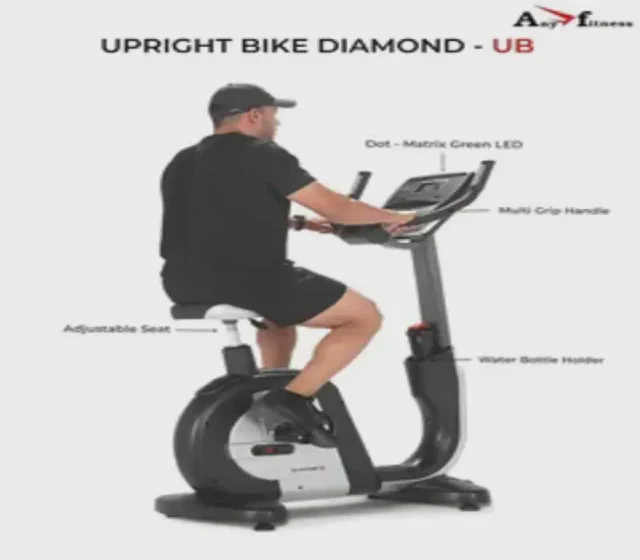
This supplier-listed upright bike is the closest format match for readers comparing a conventional indoor bike. An upright design can work well in a small dedicated exercise corner because it is typically more compact front-to-back than a recumbent. Confirm the actual assembled dimensions, adjustment range, resistance system and moving requirements directly with the supplier before treating it as a small-space option.
Best for Beginners who can leave a bike set up in one spot and prefer a familiar cycling-style posture.
- Listed in the Made-in-China Exercise Bike category
- Upright-bike format aligns with a compact permanent setup
- May be easier to position than a longer recumbent frame
Confirm before inquiry: The listing information supplied does not state dimensions, resistance type, weight capacity, price or storage features. These details should be confirmed before purchase.
The supplied listing identifies this product as “Good Quality up Right Bike for Gym” from Huizhou Yuchi Technology Co., Ltd. It is an upright-format reference, but the supplied facts do not include dimensions, folding capability, resistance adjustment details or price. Those omissions matter. Ask for assembled measurements, user-adjustment range, net weight, stability information and instructions for moving the unit before deciding whether it suits your room.
On any upright bike, check how easily you can set saddle height. At the bottom of a pedal stroke, your knee should retain a gentle bend rather than locking straight or remaining deeply bent. Handlebar reach also matters: if you must round your back or strain your shoulders to hold the bars, the setup is not right for you.
Recumbent: best for supported, low-fuss seating
The recumbent bike’s greatest advantage is accessibility. Rather than swinging a leg over a high saddle, you generally sit down into a wider chair-like seat and place your feet on forward pedals. The backrest can make the format appealing to beginners who find an upright saddle daunting or who want a more relaxed seated position while watching television.
Its limitation is straightforward: it is big. Even a compact recumbent tends to require considerably more front-to-back room than an upright bike. It is also less likely to disappear into a closet or behind a door. If a recumbent is your comfort preference, plan a permanent location rather than hoping it will work as an occasional fold-away item.
Do not assume every recumbent seat will suit every body. Backrest angle, seat distance, pedal reach and side handles vary. If possible, review the adjustment method and ensure the seat can be positioned without forcing you to reach or twist.
Do not confuse adjacent cardio machines with bikes
Category pages and broad retailer labels can group several indoor-cardio formats together. Always inspect the product title and specifications before comparing prices or space requirements.
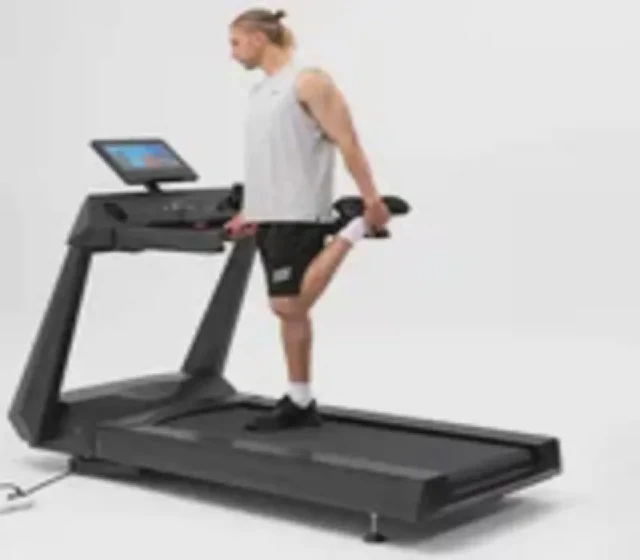
AC Motor Exercise Incline Motorized Sport Running Fitness Gym Treadmill Machine
- Displayed price
- US$ 930-950 / Piece
- MIC category
- Exercise Bike
Despite appearing in the supplied Exercise Bike category inventory, this is titled as a motorized incline treadmill. It is not a like-for-like choice for someone deciding between upright, recumbent and foldable bikes. Its presence is a useful reminder to verify the product title, images and specifications rather than relying on a broad category label alone.
Best for Shoppers specifically looking for a treadmill rather than an indoor cycling machine.
- Supplier listing title identifies a motorized incline treadmill
- Displayed price: US$ 930-950 per piece
- Not suitable for an upright-versus-recumbent bike comparison
Confirm before inquiry: All Universe Fitness Technology (Qingdao) Co., Ltd. is the named supplier. The displayed price is a supplier-listing fact and should be reconfirmed along with specifications and order terms.
This listing is titled “AC Motor Exercise Incline Motorized Sport Running Fitness Gym Treadmill Machine” and is supplied by All Universe Fitness Technology (Qingdao) Co., Ltd. Although it appeared in the supplied Exercise Bike category inventory, it is a treadmill rather than a bike. Its displayed supplier-listing price is US$ 930-950 per piece. It should be excluded from a bike-format shortlist.
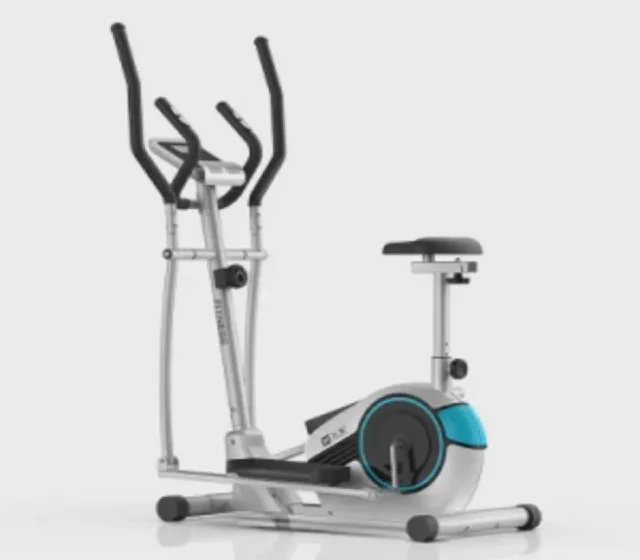
Home Cardio Exercise Fitness Elliptical Trainer Aerobic Training Indoor Exercise Machine Bike
- MIC category
- Exercise Bike
This listing is titled as an elliptical trainer and indoor exercise machine rather than a conventional seated bike. An elliptical can appeal to people who prefer standing cardio, but it has different mounting, balance and floor-space demands. It should not be assumed to fold, fit a small room or provide the seated comfort of a recumbent bike without confirming its specifications.
Best for People considering a standing cardio alternative after deciding that seated cycling is not their preferred movement.
- Listed in the Made-in-China Exercise Bike category
- Product title identifies an elliptical trainer
- Different posture and space needs from upright and recumbent bikes
Confirm before inquiry: Dingzhou Baiyun Trading Co., Ltd. is the named supplier. No dimensions, price, folding mechanism or resistance details were provided in the supplied listing facts.
Likewise, the Dingzhou Baiyun Trading Co., Ltd. listing is titled “Home Cardio Exercise Fitness Elliptical Trainer Aerobic Training Indoor Exercise Machine Bike.” An elliptical trainer uses a standing, guided motion, not the seated pedalling position of an upright, foldable or recumbent bike. It may be worth considering as an alternative cardio machine, but it needs its own assessment for footprint, stability and storage.
A beginner-friendly buying checklist
Before committing, confirm the open dimensions, folded dimensions where relevant, required clearance, user weight limit, adjustment range and resistance-control method. Ask whether the console requires power, whether the bike has transport wheels and what assembly is involved. Treat supplier descriptions, photos and category placement as starting points, not as a complete fit assessment.
For your first weeks, choose a resistance level that lets you pedal smoothly and speak in short sentences. A routine of manageable rides is more useful than buying the most intense-looking machine. Stop if you feel pain, dizziness, chest discomfort or unusual shortness of breath. If you have a health condition, recent injury, balance concern or are unsure what level of exercise is appropriate, seek guidance from a qualified healthcare professional before starting an indoor cycling routine.
This article offers general information, not medical advice. Adjust activity to your experience and seek qualified guidance when needed.
FAQ
Which exercise bike is best for a very small apartment?
A foldable upright bike is usually the most practical choice if you need to reclaim the floor after riding. Check both its open and folded dimensions, and make sure you have a safe place to move and store it.
Are recumbent bikes good for beginners?
They can be. Their chair-like seat, backrest and lower step-over can make starting feel less intimidating. The trade-off is a larger, longer frame that may be difficult to fit in a small room.
Is an upright exercise bike uncomfortable?
It can be if the saddle height, fore-and-aft position or handlebar reach is wrong. A properly adjusted upright bike can be comfortable for many beginners, but it usually provides less back support than a recumbent model.
How much room should I leave around an exercise bike?
Use the manufacturer's clearance guidance where available. In practical terms, leave enough room to mount and dismount without twisting around furniture, to pedal without hitting walls, and to access adjustment levers safely.
Can I use a foldable bike every day?
Yes, provided it feels stable, fits your body and is set up correctly each time. If you will use it daily and never need to fold it away, a standard upright model may be more convenient because it can remain adjusted and ready.