Which Resistance Bands Are Best for Beginners in a Small Space?
The best resistance bands for beginners depend on your available space, comfort preferences and exercise goals. Here is how loop, tube and fabric bands compare for simple home work

If you have limited room and are new to strength training, the best resistance bands for beginners are usually a small set of flat loop bands. They store in a drawer, need no permanent fixture and cover many basic movements. Choose tube bands with handles instead if you want a more familiar grip for rows, presses and curls. Choose fabric bands when comfort and stability for glute and leg work matter more than having the widest exercise menu.
The important distinction is that these are three different setups, not three versions of exactly the same product. Their storage demands, handling and exercise options vary. A good beginner choice should fit your room, your routine and your confidence with setup.
Flat loop bands: the simplest all-rounder
Flat loop bands are continuous circles of elastic material. They are often the easiest place to start because there are fewer parts to assemble and no handles or anchor hardware to manage. A light band can be used for shoulder warm-ups and upper-body movements, while a stronger band can add resistance to squats, glute bridges, deadlifts and lateral walks.
For a small space, storage is a major advantage. A few bands can hang from a hook or sit in a pouch without taking meaningful floor space. They also work well when you cannot leave equipment laid out between sessions.
Their main limitation is grip and positioning. A band around the thighs is straightforward, but using a short loop for rows or presses can feel less intuitive. Bands can also roll, pinch or pull on body hair depending on their width, material and placement. Moving slowly and checking the band before each set helps, but comfort is partly personal.
Loop bands are a particularly good match for a beginner who wants a short full-body routine: squats, standing rows with the band around the feet, chest presses, overhead presses, biceps curls and lateral walks can all be adapted without an anchor.
Tube bands with handles: more exercise variety
Tube bands usually attach to handles and may be supplied with different resistance levels. The handles can make pulling and pressing movements feel more familiar, especially if you are transitioning from dumbbells or gym machines. They are useful for standing rows, chest presses, curls, triceps extensions and shoulder work.
This format can offer the broadest exercise variety, particularly when the kit includes a door anchor or other attachment. An anchor lets you position resistance at chest, waist or overhead height. That can make rows and pulldowns easier to understand and can add variety without needing more floor space.
The trade-off is that a tube system involves more pieces. Handles, clips, bands and anchors need to be stored together, and you need somewhere appropriate to secure the attachment. A door anchor also requires careful attention to the manufacturer’s instructions, door position and band path. Never improvise by tying a band to an unstable chair, sharp edge or fixture that has not been designed for pulling force.
Tube bands are the better choice if you value exercise variety and do not mind a slightly more involved setup. They are less ideal if you want to take a band out of a drawer and begin immediately.
Fabric bands: comfortable for hips and legs
Fabric resistance bands are commonly used around the thighs or ankles. Their woven surface can feel less sticky than rubber, and many people find fabric more comfortable during glute bridges, clamshells, squats and lateral steps. They also tend to stay in place well during lower-body movements.
That stability is the reason to choose them, but it also describes their limitation. Fabric bands are usually less versatile than long elastic loops or tube systems. They are not the natural choice for chest presses, rows or overhead exercises unless the specific design supports those movements.
For a beginner who wants a compact leg-focused routine, one or two fabric bands may be enough. For full-body strength training, they work better as a supplement to a longer loop or tube band rather than as the only equipment.
Which setup needs the least space?
Flat loops win for minimum storage and minimum setup. Fabric bands are similarly easy to store, although a set of thicker woven bands may take slightly more room. Tube systems remain compact, but their handles and attachments create more loose parts.
A small-space buyer should also think about exercise clearance, not only storage. You need enough room to extend a band without hitting a wall, lamp, table or another person. A band that fits in a drawer is not automatically suitable for every movement in a crowded room.
A practical beginner buying checklist
Look for several resistance levels rather than one very heavy band. Different exercises need different levels, and progressive training is easier when you can move up gradually. Check that the band surface is even, with no visible cuts, splits or weak-looking sections. For tube systems, inspect clips, handles and any anchor before use.
Think about how you will use the bands three times a week. If you dislike assembling equipment, a loop set is more likely to be used. If you enjoy following workouts that include rows and presses, handles may justify the extra setup. If your main goal is stronger hips and legs, fabric may be the most comfortable starting point.
The approved listings shown with this guide are not resistance-band recommendations. They are supplier listings from the broader Fitness Accessories category, and each serves a different purpose. The fixed rubber hex dumbbell rack is storage for dumbbells, the wrist brace is a separate support accessory, and the sit-up and push-up assistant is not verified as a band anchor. In particular, do not attach a resistance band to a suction-cup device unless the manufacturer explicitly confirms that use.
The verdict
For most beginners in a small home, start with flat loop bands in a few resistance levels. They offer the best balance of storage, price-conscious simplicity and full-body potential. Pick tube bands with handles if exercise variety and a familiar grip are your priorities, especially when the kit includes a properly designed anchor. Choose fabric bands for comfortable, stable lower-body training, but do not expect them to replace a more versatile full-body system.
Whichever format you choose, begin with controlled repetitions and light-to-moderate resistance. Stop if you feel sharp pain, numbness or unusual joint discomfort, and seek advice from a qualified health professional if you have an injury, medical condition or uncertainty about safe exercise. Resistance bands are simple tools, but safe placement and gradual progression matter more than the label on the package.
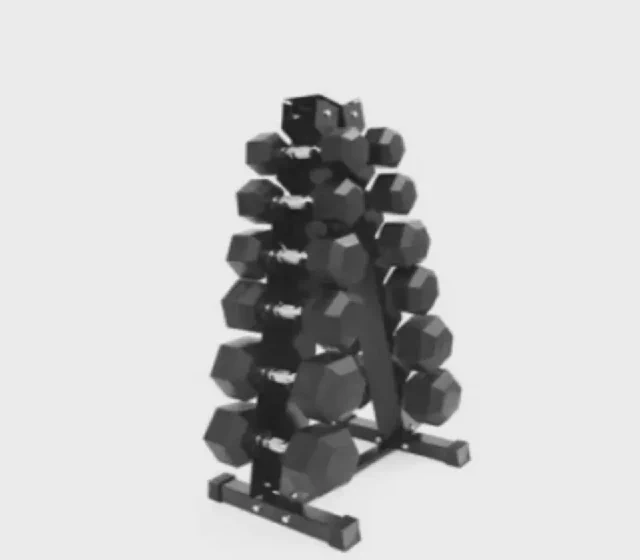
5-50lb Gym Fitness Equipment Powder Coated Fixed Rubber Hex Dumbbell Racks
- MIC category
- Fitness Accessories
The supplier listing identifies this item as a rack for fixed rubber hex dumbbells, rather than a resistance-band product. It is therefore relevant only as a reminder that compact strength equipment still needs an organised storage plan. For a reader choosing bands in a small space, a dumbbell rack would be a different and substantially larger storage solution.
Best for Organising fixed dumbbells in a dedicated gym or training area, not replacing a resistance-band set.
- Listed in the Fitness Accessories category
- Designed for fixed rubber hex dumbbell storage
- Not a loop band, tube band or fabric band
Confirm before inquiry: This is a supplier-listing description, and no resistance-band specifications are provided.
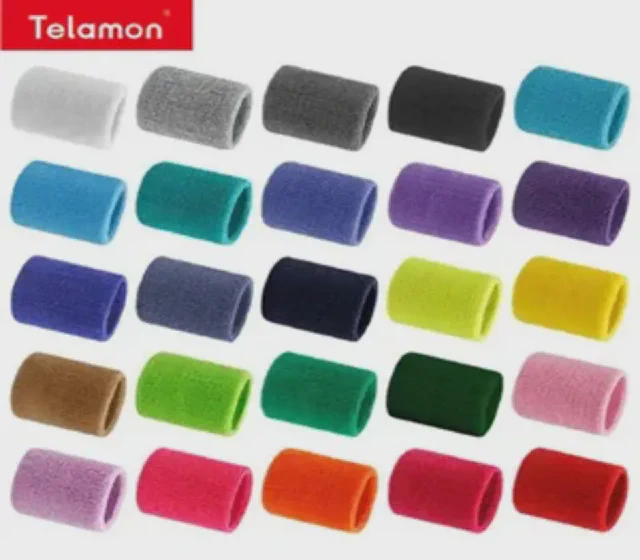
Best Wrist Support Brace Gym for Yoga Lifting Carpal Tunnel CE Approved
- MIC category
- Fitness Accessories
The supplier listing describes this as a wrist support brace for gym, yoga and lifting activities. It is not a resistance band, but it may appear alongside training accessories when you shop by category. Beginners should not assume that a support brace corrects poor technique or makes an unsuitable exercise comfortable.
Best for People looking for a separate wrist-support accessory, subject to checking fit and suitability.
- Listed in the Fitness Accessories category
- Supplier listing mentions gym, yoga and lifting use
- Not part of a resistance-band setup
Confirm before inquiry: The listing does not establish that the brace is needed for band training or appropriate for a particular wrist condition.
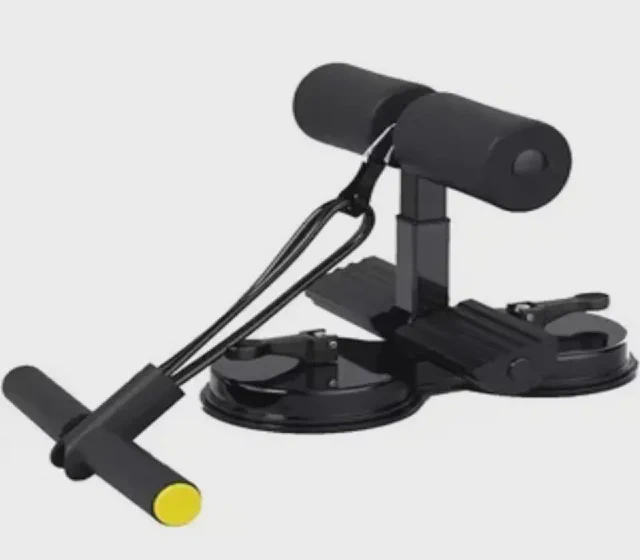
Double Suction Cup Sit-up & Push-up Assistant Device
- MIC category
- Fitness Accessories
This supplier listing describes a double suction cup sit-up and push-up assistant device. It is a separate bodyweight-training accessory, not an anchor for resistance bands. A suction-based device should never be treated as a universal band anchor unless the manufacturer specifically states that it is designed and rated for that use.
Best for Assisted sit-up or push-up practice where the device is suitable for the surface and used as directed.
- Listed in the Fitness Accessories category
- Designed around sit-up and push-up assistance
- Not verified as a resistance-band anchor
Confirm before inquiry: Do not attach resistance bands to this product without explicit manufacturer instructions confirming that use.
This article offers general information, not medical advice. Adjust activity to your experience and seek qualified guidance when needed.
FAQ
What are the best resistance bands for beginners in a small space?
A basic set of flat loop bands is often the most practical choice because it needs very little storage, requires no permanent equipment and supports exercises such as squats, rows, presses and lateral walks. Tube bands are a better option if you want handles and more upper-body variety.
Are fabric resistance bands better than rubber bands?
Not generally. Fabric bands can feel more comfortable and less likely to roll during glute and leg exercises, while rubber or latex bands are usually more versatile for full-body training. The better option depends on the exercises you plan to do.
Do resistance bands need an anchor?
No. Many beginner exercises can be done without an anchor, including squats, deadlifts, presses, curls, rows around the feet and lateral walks. An anchor or door attachment expands your exercise options, but it must be designed for the band and used according to its instructions.
How much resistance should a beginner use?
Choose resistance that lets you perform controlled repetitions with good form while still feeling challenged near the end of a set. If you cannot control the return phase or maintain your posture, reduce the resistance.
Can resistance bands replace weights?
They can provide useful strength training, especially for beginners and home workouts, but they feel different from free weights and may not meet every long-term training goal. A combination of bands and other equipment can be useful as your experience develops.