Which Resistance Bands Are Best for a Small Home Workout Space?
Loop, tube, fabric and flat resistance bands can all support effective home workouts, but each suits a different kind of small-space training. Here is how to choose.
If you have limited floor and storage space, start with a set of loop resistance bands. They offer the best balance of compact storage, exercise variety and beginner-friendly handling. Tube bands with handles are a close second if you prefer a more familiar grip for rows, presses and curls. Fabric hip bands are excellent for glute and leg work but less versatile, while flat therapy bands are the easiest to store but better suited to lighter resistance, mobility and controlled rehabilitation-style movements.
The important point is that “best” depends on how you plan to train. A band that is ideal for activating the hips may be frustrating for upper-body exercises. Likewise, a set that fits in a drawer may not provide enough resistance progression for someone planning regular full-body strength sessions.
Loop bands: the best all-rounder
Loop bands are continuous circles of elastic material. Short mini loops usually sit around the thighs, knees or ankles, while longer power loops can be used for rows, presses, assisted pull-up work and lower-body movements.
For a small home, their main advantage is simple storage. A few bands can fit in a drawer, basket or small equipment bag, and they do not need handles, a door anchor or a permanent setup. You can use them standing on the band, around your thighs or held between both hands.
They also offer the broadest exercise range of the four formats. Beginners can use them for squats, glute bridges, lateral walks, rows, overhead presses and anti-rotation exercises. To progress, choose a heavier band, increase repetitions, slow the lowering phase or combine two bands where appropriate.
The main limitation is comfort and handling. Thin rubber can roll, pinch or feel too tight around the legs, particularly during lateral steps. Wider bands are often more comfortable, but they may also feel harder to position. Check the band before each session for cracks, nicks or areas that look stretched and thin.
For most people buying one compact set, loop bands are the sensible starting point.
Tube bands with handles: easiest grip for familiar exercises
Tube bands look more like cables, with elastic tubes connected to handles. They are particularly useful if you want to reproduce the feel of cable-machine exercises, including standing rows, chest presses, biceps curls and triceps work.
Handles can make training more comfortable for beginners who dislike gripping a thin strip of rubber. They can also make the direction of an exercise easier to understand. Some sets include a door anchor or ankle straps, which can expand the range of movements.
The trade-off is storage and setup. Handles and attachments take more room than a simple loop band, even though the bands themselves remain compact. A door anchor also needs a strong, suitable door and careful placement. Never assume that an anchor is safe simply because it fits; follow the manufacturer’s instructions and inspect the attachment before pulling against it.
Tube systems can provide useful progression when they include several resistance levels, but do not judge progression by colour alone. Resistance labels vary between brands, and the force changes as the tube stretches. A band that feels manageable at the start of a movement may become much harder near the end of the range.
Choose tube bands if grip comfort and cable-style exercises matter more to you than having the smallest possible kit.
Fabric hip bands: stable for lower-body work
Fabric bands are usually short, wide loops made from woven material. They are designed mainly for glute and leg exercises such as hip thrusts, squats, lateral walks and clamshells.
Their biggest advantage is stability. Fabric often feels less likely to roll than a narrow rubber loop, and many people find it more comfortable against the skin. That makes it a useful option for a lower-body-focused routine or for adding resistance to warm-ups and activation work.
Fabric bands are not as versatile as long loop bands. Their short length makes upper-body pulling, pressing and full-body anchoring difficult. They can also feel very demanding during side steps, so beginners should not automatically choose the heaviest option.
A fabric hip band is best viewed as a focused tool rather than a complete home gym. If you already have another form of resistance and want more comfortable glute training, it can be a good addition. If you want one product to cover your whole body, choose a longer loop or tube system instead.
Flat therapy bands: minimal storage and gentle control
Flat bands are long, open strips without handles or a continuous loop. They are common in mobility, stretching and rehabilitation-style exercise because they are easy to hold, wrap around a limb or tie into a temporary loop.
For storage, they are hard to beat. They can lie flat in a drawer or roll into a very small bundle. They also allow subtle adjustments in hand position: move your hands closer together to increase tension or farther apart to reduce it.
Their drawbacks become more noticeable during strength training. The ends can be awkward to grip, and the band may bunch or twist. They are also less convenient for exercises that require a firm handle, especially when you are working with higher resistance.
Flat bands make sense for mobility, gentle strengthening and people who value low-profile equipment above all else. They are less likely to be the best first purchase for someone seeking a complete strength routine.
A note on unrelated fitness listings
A compact workout search can surface products that sit in the same broad fitness category but do not solve the resistance-band problem. For example, this listing is for a weight plate rather than a band:
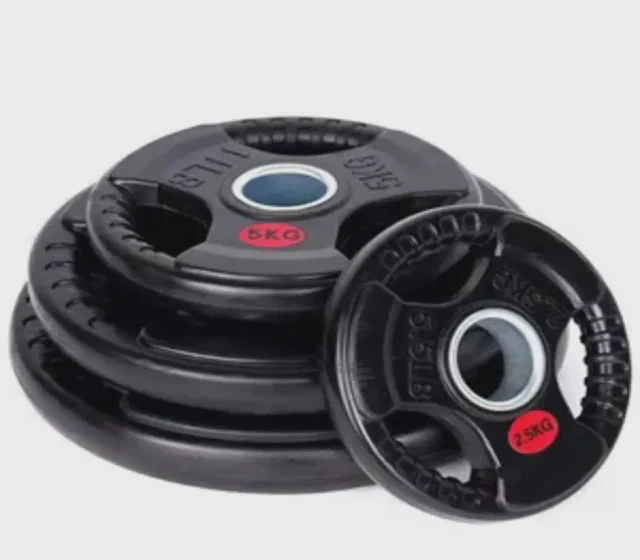
3 Hole Black Rubber Plate 10-25kg Weightlifting Discs Durable Coating for Gym Training Equipment
- MIC category
- Fitness Accessories
This supplier listing is for a three-hole rubber-coated weight plate, not a resistance band. It may suit a conventional strength-training setup, but it does not meet the storage or handling advantages that make bands useful in a small home workout space.
Best for People specifically looking for a plate-based weight-training setup rather than compact band training.
- Listed in the Made-in-China Fitness Accessories category
- Rubber-coated weight plate format
- Not suitable as a substitute for a resistance band
Confirm before inquiry: The listing provides no resistance-band specifications, so it should not be compared with loop, tube, fabric or flat bands.
A wrist support may be useful for some training situations, but it provides no training resistance and should not be treated as equipment for building a band routine:
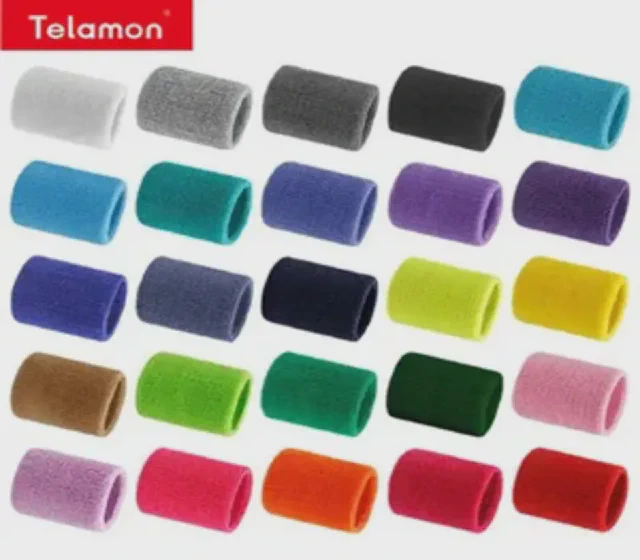
Best Wrist Support Brace Gym for Yoga Lifting Carpal Tunnel CE Approved
- MIC category
- Fitness Accessories
This supplier listing describes a wrist support brace for gym, yoga and lifting activities. It is an accessory rather than training equipment and cannot provide the progressive resistance or exercise range of a band.
Best for People seeking wrist support as part of a broader training setup, subject to checking fit and suitability.
- Listed in the Made-in-China Fitness Accessories category
- Designed as a wrist-support accessory
- Does not replace resistance bands or other strength equipment
Confirm before inquiry: A support brace should not be used to mask pain or allow an aggravating movement to continue.
Inversion equipment is also a separate category with different setup and safety considerations, not a space-saving replacement for bands:
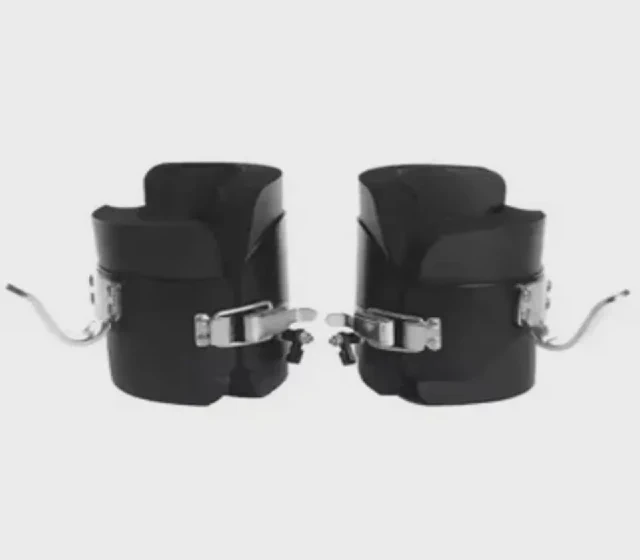
Inversion Gravity Boots Back Neck Shoulder Muscle Stretcher Boots
- MIC category
- Fitness Accessories
This supplier listing is for inversion gravity boots intended for stretching and related use. The product requires a very different setup from resistance bands and is not an appropriate compact substitute for beginner strength training.
Best for Users considering inversion equipment separately from a resistance-band workout, after understanding the setup and safety requirements.
- Listed in the Made-in-China Fitness Accessories category
- Inversion-boot format rather than resistance equipment
- Not a beginner-friendly alternative to resistance bands
Confirm before inquiry: Inversion equipment can carry specific safety considerations and should not be treated as general home workout gear.
These distinctions matter when shopping. Check the actual format, included accessories and intended use rather than relying only on a broad fitness-category label.
How to choose your first set
Choose loop bands if you want the most exercises from the least equipment. Choose tube bands with handles if you prefer a conventional grip and cable-style movements. Choose a fabric band for comfortable, stable lower-body training, and choose a flat band for mobility, light resistance and extremely easy storage.
Whichever format you buy, look for more than a single resistance level. A set with several levels gives you a clearer way to progress and lets you match the load to different muscle groups. You should be able to complete repetitions with controlled form, without the band snapping toward its starting position or forcing you to compensate with your back, shoulders or joints.
Resistance bands can support effective strength training in a small home, but they are not risk-free. Start with light resistance, keep the band away from sharp edges, and avoid stretching it beyond its recommended range. Stop if you feel sharp pain, numbness, unusual joint pain or dizziness. If you have an injury, medical condition or significant concerns about exercise, seek advice from a qualified health professional before beginning a new routine.
This article offers general information, not medical advice. Adjust activity to your experience and seek qualified guidance when needed.
FAQ
Which resistance band type is best for a small apartment?
A compact set of loop bands is usually the best all-round option. They store easily, work for lower- and upper-body exercises and can be used without an anchor or large accessories.
Are fabric resistance bands better than rubber bands?
Neither is universally better. Fabric bands often feel more comfortable and stay in place during hip and glute exercises, while rubber loop bands are generally more versatile for full-body training.
Can resistance bands build strength for beginners?
Yes. Bands provide adjustable resistance for movements such as squats, rows, presses and deadlift patterns. Progress can come from using a stronger band, increasing repetitions, slowing the movement or combining bands.
Do resistance bands need an anchor?
No. Many exercises can be performed by standing on a band, holding it in both hands or placing it around the thighs. An anchor can expand the exercise range, but it also requires a suitable and secure attachment point.
How should resistance bands be stored?
Keep them loosely coiled or laid flat in a cool, dry place away from sharp edges, direct sunlight and excessive heat. Inspect the material regularly for cuts, cracks or thinning before use.