Yoga Mat vs Cork Block vs Bolster: What Beginners Need for Comfortable Home Practice
A practical comparison of yoga mats, cork blocks, bolsters and straps to help beginners build a comfortable, space-conscious home yoga setup.
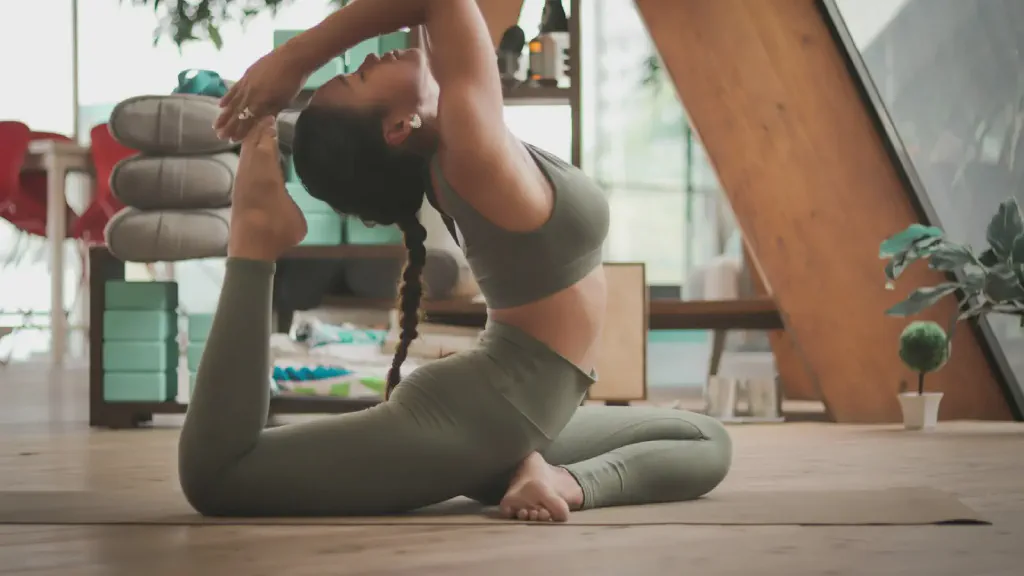
You do not need a mat, cork blocks, a bolster and a strap all at once. For most people, the best yoga equipment for beginners at home starts with a dependable non-slip mat. Add blocks if reaching the floor changes your posture, a bolster if floor-based relaxation feels uncomfortable, and a strap if your hands cannot comfortably reach your feet or clasp behind your back.
The useful question is not “Which prop is best?” Each item solves a different problem. A mat manages the surface beneath you. Blocks reduce the distance to the floor. A bolster supports your body while you settle. A strap extends your reach. Once you identify the part of practice that makes you stop, fidget or strain, buying decisions become much simpler.
Start with the mat: the baseline for every practice
A yoga mat is the closest thing to essential equipment for home practice. It creates a defined, cleaner area to move on and can provide grip and cushioning between your body and a hard floor. This matters in downward-facing positions, lunges, kneeling work, seated practice and relaxation alike.
Prioritise grip and stability over decorative design. If your hands slide in plank or downward dog, a thicker mat alone may not solve the issue. Likewise, a highly cushioned surface may feel pleasant on the knees yet make standing balances feel less secure. The right compromise depends on your floor: a thin mat may be adequate on carpet, while a firmer hard floor may make extra cushioning more valuable.
For a small room, measure the clear area before buying. You need enough length to lie down fully, plus a little room at either end to transition without knocking furniture. A mat that rolls tightly is easier to store behind a door, under a bed or in a cupboard. Let it lie flat before practice if the ends curl, as raised edges are an unnecessary trip hazard.
If you are deciding between a mat and every other prop, choose the mat first. Blocks and bolsters are far more useful when they sit on a surface that does not shift beneath you.
Cork blocks: when the floor is simply too far away
Blocks are compact supports that effectively bring the floor closer. In triangle pose, for example, a block under the lower hand can let you keep more length through the side body rather than folding down to reach the ground. In a seated forward fold, sitting on a block can lift the pelvis and make it easier to sit upright.
A pair is generally more flexible than one. You may use one under each hand in a fold, place two beneath the hips in a supported position, or set one at each side of a reclined pose. They are also useful for supporting the back, knees or hands depending on the sequence.
Cork blocks are typically firmer and heavier than foam versions. That weight can be reassuring in standing positions where you want a solid base under your hand. The trade-off is that cork feels hard against sensitive areas and is less comfortable when you are lying directly on it. Foam blocks tend to be lighter to carry and softer against the body, though some people prefer the grounded feel of cork for weight-bearing use.
Use a block to improve the shape and comfort of a pose, not to force extra depth. If a raised support allows you to breathe steadily and keep a comfortable spinal position, it is doing its job. If you feel pinching, instability or joint pain, come out of the pose and change the setup.
Bolster: the comfort tool for longer, quieter poses
A yoga bolster is a firm, shaped cushion intended to hold the body in supported positions. It is the prop most likely to change how restorative yoga, Yin yoga, gentle evening stretching and savasana feel at home.
Place a bolster lengthwise beneath the spine for a supported chest-opening rest, under bent knees in savasana, or beneath the torso in a forward-folding restorative shape. The aim is not to make a stretch more intense. It is to reduce the muscular work needed to stay there.
This makes a bolster especially helpful when lying flat is uncomfortable, when the lower back feels unsettled during relaxation, or when a long seated or reclined position encourages you to tense up. It can also make a short before-bed practice feel more inviting than a bare-floor session.
Its limitation is obvious: bolsters take up space. A round model can be awkward in a small flat, while a rectangular version may stack more neatly on a shelf or bed. Either format is considerably bulkier than blocks or a strap. If storage is tight and you are still exploring yoga, begin with folded blankets or a firm household cushion. A purpose-made bolster becomes easier to justify when supported practice is something you return to regularly.
Strap: the smallest prop with the longest reach
A yoga strap is a non-elastic band that helps you bridge a gap without rounding, yanking or holding your breath to reach. Loop it around the feet in a seated forward fold, hold it in wide shoulder-opening movements, or use it to create a more manageable handhold in selected stretches.
For beginners, the major benefit is not “deeper” stretching. It is the ability to practise at an appropriate distance. When your hamstrings are tight, pulling on your feet with a rounded back may make the movement less comfortable. Holding a strap instead can allow a little more space to sit tall and move gradually.
A strap is inexpensive in physical space: it rolls or folds into a drawer and weighs very little. It is therefore a sensible second purchase for someone whose main barrier is reach rather than comfort on the floor. Choose a simple, non-elastic strap with an adjustable fastening, and avoid wrapping it tightly around joints or using it to pull aggressively into a position.
What to buy first, based on your practice
You want short, active classes with standing poses. Buy a non-slip mat first. Add two blocks when you frequently need to put a hand to the floor, cannot sit comfortably upright, or lose alignment while reaching down.
You want gentle mobility and hamstring stretching. Start with a mat and a strap. Add blocks if sitting on the floor makes your pelvis tuck under or if hands-to-floor positions feel inaccessible.
You want restorative, Yin or bedtime yoga. Start with a mat if you do not already have a comfortable surface, then consider a bolster. Blocks remain useful, but the bolster is more likely to improve the poses you hold for several minutes.
You have very little storage. Choose a mat and strap first. A pair of blocks can stack neatly, while a bolster deserves a place only if you know you will use it often.
Equipment that serves a different purpose
The Yoga Supplies category also includes equipment that may be relevant to broader home exercise but is not part of a minimal yoga-prop setup.
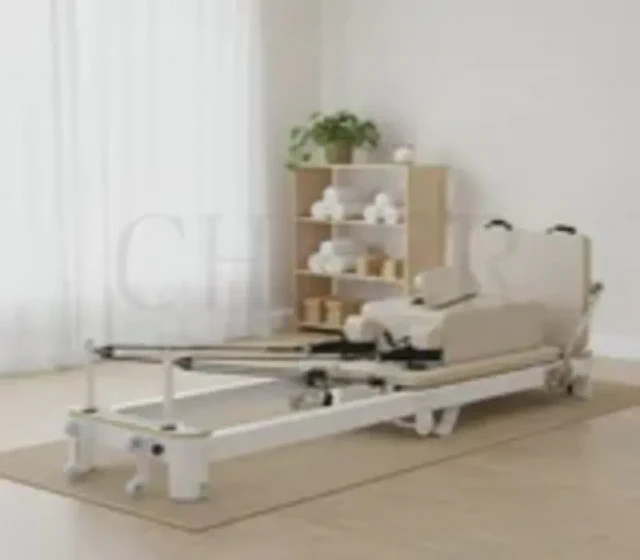
Aluminum Foldable Pilates Reformer Portable Folding Pilates Reformer Professional Pilates Reformer Pilates Reformer for Sale Fitness Pilates Reformer
- Displayed price
- US$ 710-790 / Piece
- MIC category
- Yoga Supplies
This supplier-listed foldable Pilates reformer belongs to a much larger equipment category than a beginner yoga mat-and-props setup. Beijing Cheer Fitness Equipment Co., Ltd. displays it at US$ 710-790 per piece. It may appeal to someone specifically building a Pilates-focused training space, but it does not replace the simple floor support, reach assistance and restorative comfort provided by a mat, blocks, strap and bolster.
Best for People comparing dedicated Pilates equipment with a compact floor-based yoga setup
- Supplier listing identifies an aluminum foldable Pilates reformer
- Displayed price: US$ 710-790 per piece
- Listed in the Made-in-China Yoga Supplies category
Confirm before inquiry: This is a supplier-listing description, not an Adore Sport product test or recommendation. Check dimensions, folding mechanism, space requirements and suitability directly with the supplier before considering a purchase.
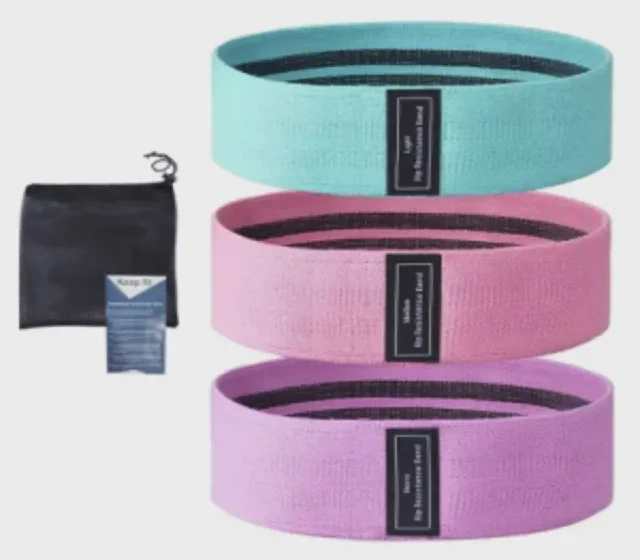
Resistance Bands Exercise Workout Bands for Women and Men 3-Piece Set of Stretch Bands for Booty Legs, Pilates Flexbands Hip Resistance Band
- MIC category
- Yoga Supplies
This supplier-listed three-piece resistance-band set is designed around resistance exercise and Pilates-style training rather than the passive support supplied by yoga props. Dingzhou Baiyun Trading Co., Ltd. lists the set in the Yoga Supplies category. Bands can be relevant if your home routine also includes strength work, but they will not make seated yoga, floor poses or savasana more comfortable in the way a block or bolster can.
Best for Home exercisers who want to combine yoga with resistance-based sessions
- Three-piece stretch-band set
- Supplier listing describes use for exercise, Pilates and lower-body training
- Listed in the Made-in-China Yoga Supplies category
Confirm before inquiry: Resistance bands require controlled use and appropriate setup. They are not a replacement for a non-slip mat or support props, and supplier specifications should be confirmed before purchase.
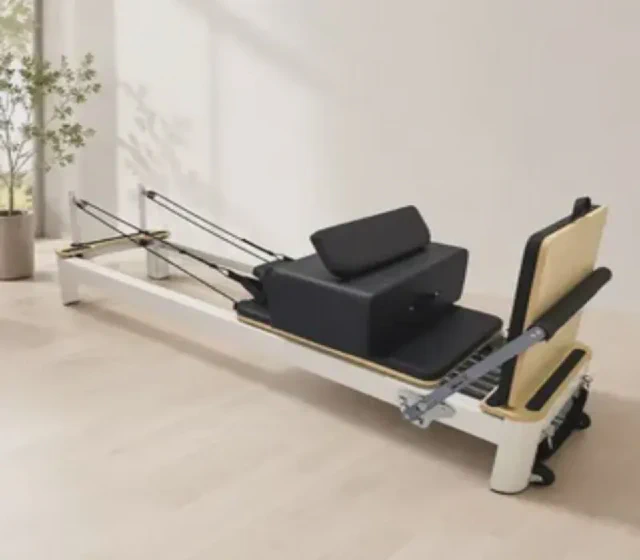
Walnut Aluminum Studio Fitness Exercise Equipment Reformer Gym Pilates Reformer Machine
- MIC category
- Yoga Supplies
This supplier-listed studio Pilates reformer machine from Dezhou Senrui Fitness Equipment Co., Ltd. illustrates the difference between a full training machine and beginner yoga equipment. A reformer calls for dedicated floor area and a different style of exercise planning. For an ordinary adult starting yoga at home, a mat and one or two well-chosen props are usually the more practical first decision.
Best for Those evaluating whether to create a Pilates machine space rather than a minimal yoga corner
- Supplier listing describes a walnut aluminum studio fitness reformer
- Designed as Pilates equipment rather than a portable yoga prop
- Listed in the Made-in-China Yoga Supplies category
Confirm before inquiry: This is presented from a supplier listing only. Confirm product dimensions, assembly needs, operating guidance and room clearance with the supplier before buying.
A Pilates reformer or resistance bands may fit a separate strength or Pilates plan, but neither answers the core beginner yoga questions of traction, floor cushioning, supported rest and accessible reach. Avoid expanding your setup simply because an item appears in a broad yoga-supplies category.
A simple, sensible starter order
Buy a mat first. Practise for a few sessions and notice what repeatedly interrupts you. If it is reaching, buy a strap or blocks. If it is discomfort during long holds or relaxation, choose a bolster. If it is knee sensitivity, consider whether your mat, a folded blanket or an additional pad gives sufficient cushioning before investing in more gear.
Props are not a sign that you are behind. They are practical tools for adapting a pose to your body, your room and the kind of practice you actually want to maintain. Move slowly into unfamiliar positions, keep breathing easy, and do not push through sharp, worsening or persistent pain. If you have an injury, medical condition, recent surgery, pregnancy-related concerns or recurring pain, seek personalised guidance from a qualified healthcare professional or appropriately trained instructor before changing your practice.
This article offers general information, not medical advice. Adjust activity to your experience and seek qualified guidance when needed.
FAQ
Do beginners need yoga blocks?
They do not need them to begin, but a pair of blocks can make many poses more accessible. Blocks raise the floor to meet your hands, pelvis or back, helping you practise with steadier positioning instead of straining to reach.
Are cork blocks better than foam blocks for beginners?
Neither is universally better. Cork is typically firmer and heavier, which can feel stable for weight-bearing support. Foam is lighter, softer and often more comfortable when placed under the body. Choose based on the support you expect to use most and how easily you need to store or move the blocks.
Is a yoga bolster necessary for home yoga?
Not for every style. A bolster is most useful if you enjoy restorative or Yin sessions, meditation, gentle evening practice, or savasana with support under the knees or along the spine. For short standing flows, a folded blanket or firm cushion may be enough initially.
Can I use household items instead of yoga props?
Yes, cautiously. A firm cushion, folded blanket or securely stacked books can help you explore a pose before buying props. Purpose-made props are generally easier to position consistently and less likely to shift, but household substitutes can be useful for trying a setup.
What thickness yoga mat should a beginner choose?
Look for a balance of grip, stability and cushioning rather than choosing the thickest option. More cushioning may feel kinder on knees, while a very soft or thick mat can feel less steady in balance poses. Your flooring and the type of yoga you plan to practise both matter.