Thick vs Non-Slip vs Travel Yoga Mats: Which One Suits a Beginner at Home?
Choosing the best yoga mat for beginners at home comes down to your floor, joints and storage space. Compare thick cushioned, non-slip alignment and foldable travel mats.
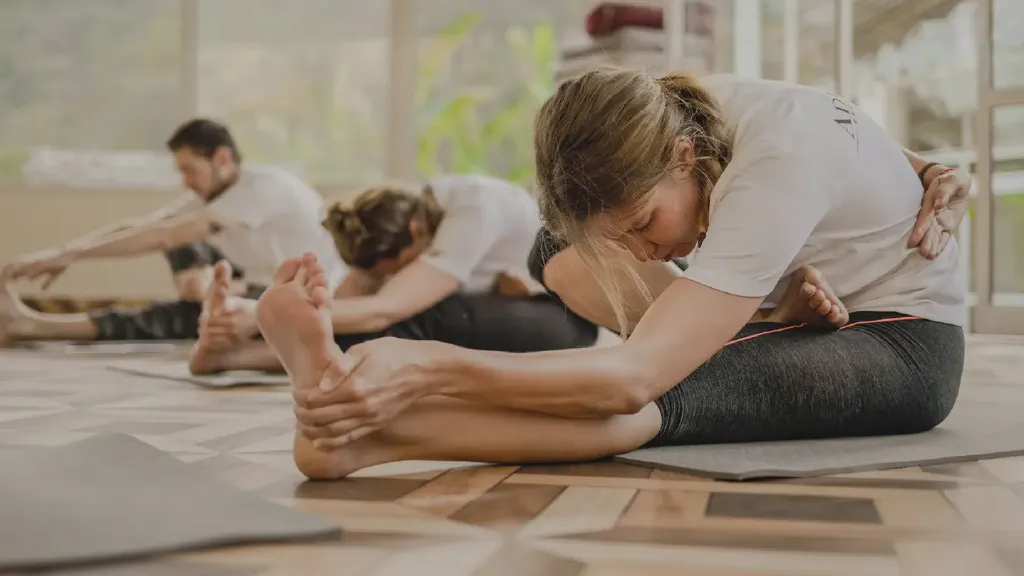
If you are choosing the best yoga mat for beginners at home, start with your floor and your likely practice—not with the thickest mat or the smallest one. On hard wood, tile or concrete, a thick cushioned mat is usually the most comfortable choice for gentle stretching, kneeling and lying-down poses. If you want to learn standing postures and simple flows, a non-slip mat with moderate cushioning is the strongest all-round option. Choose a foldable travel mat when your main challenge is storing gear in a very small space, accepting that it will usually offer less protection from a hard floor.
For many people beginning at home, grip is the feature least worth compromising. A mat that slides, curls at the edges or feels unstable can make a short practice frustrating before it becomes a habit. Comfort matters too, particularly if you spend time on your knees or wrists. The useful question is not “Which mat is best?” but “What will make me willing and able to practise on this floor several times a week?”
The quick choice
Choose a thick cushioned mat if you have hard flooring, sensitive knees, or expect to focus on gentle mobility, restorative yoga and floor-based sessions. It is often the friendliest option for slow-paced beginners, but very soft foam can make tree pose, lunges and other standing work feel wobbly.
Choose a non-slip alignment mat if you want one mat for a broad mix of beginner yoga. It is generally better for learning downward dog, warrior poses, plank variations and short flows because a dependable surface gives hands and feet something stable to press into. Alignment lines can help you notice roughly even hand and foot placement, although they are a guide rather than a correction tool.
Choose a foldable travel mat if your mat must fit in a cupboard, under a sofa, in a work bag or alongside weekend travel gear. It is the space-saving winner, but its thinner profile makes the floor beneath it much more noticeable. For a home-only beginner, portability is usually a secondary benefit unless storage is genuinely tight.
Thick cushioned yoga mats: comfort first
A thicker mat can make the first few weeks of home yoga more pleasant. Kneeling tabletop, low lunges, child’s pose and reclined positions place direct pressure on joints and bony areas. On a hard surface, extra cushioning can take the edge off that pressure and reduce the urge to keep rearranging towels or avoiding certain poses.
This format is especially worth considering if your practice space is a tiled kitchen, a wood-floored living room or a converted corner of a spare room. It can also work well for classes described as gentle yoga, yin, restorative yoga or beginner mobility.
The trade-off is stability. Thick, springy material compresses when you put weight through one foot. That is not automatically unsafe, but it can make balance feel more difficult while you are still learning where to place your feet and how to distribute weight. A heavily cushioned mat may also feel less secure in poses where hands need firm traction.
Before buying, test the idea at home if possible: do a few careful lunges and stand on one leg on a folded blanket. If the softness makes you feel unsteady, a moderately cushioned, grippier mat may suit you better. You can also use a folded towel under the knees only when needed, rather than choosing maximum thickness across the entire practice surface.
Non-slip alignment mats: the flexible beginner option
A non-slip mat aims to remain planted on the floor while helping hands and feet hold their position on its top surface. This is useful for beginners because many foundational poses involve pushing through open palms, stepping forward and back, or changing direction gradually. When the mat stays flat and your hands do not slide, you can pay more attention to breath and technique.
Look for a surface that feels grippy when dry and does not have an overpowering smell straight out of the packaging. Letting a new mat air out in a ventilated room may help, and following the maker’s cleaning instructions can preserve its surface. Avoid coating a mat with random household cleaners: residue can affect grip or material durability.
Alignment markings are optional rather than essential. They can be helpful visual landmarks for centring hands in plank or placing feet at a similar distance in standing poses. But bodies vary, and a printed line cannot decide the right stance width, shoulder position or depth of a pose for you. If the markings make you feel as though you must force yourself into a template, ignore them.
For a typical beginner doing 15- to 30-minute sessions in a living room, this is often the most sensible compromise between comfort, stability and versatility. It is also easier to use over a low-pile rug than a very thin travel mat, although a firm bare floor remains the most stable base.
Foldable travel mats: storage first
Foldable mats solve a practical problem that rolled mats do not always solve: they can fit into compact rectangular spaces. That can be valuable in a studio flat, shared home or multipurpose room where the practice area disappears after each session. Folding rather than rolling can also make a mat easier to pack for a trip.
The limitation is straightforward: less material between you and the floor usually means less cushioning. A thin travel mat can be perfectly adequate for standing work, light stretching and hotel-room practice, but knees and hips may quickly notice hard flooring. It may also shift more easily on polished floors if its underside lacks enough grip.
At home, make a travel mat work harder by placing it on a clean low-pile carpet or a stable rug that does not slide. Avoid stacking it on a loose, thick rug, which can create an uneven base. If you need extra comfort for kneeling, use a folded towel beneath the knees and remove it before standing balance work.
Travel mats are best for the person who will practise more consistently because the mat is easy to put away. They are not automatically the best choice for someone who has plenty of storage but needs comfort on tile.
Match the mat to the floor beneath it
Your flooring can change the answer more than your fitness level. On tile, concrete and hardwood, cushioning is valuable, but so is a non-slip underside. On carpet, a very soft or thick mat can feel unstable, particularly for standing poses. A firmer non-slip mat may be easier to manage there. On laminate or polished wood, inspect both sides of the mat: a grippy top does not help much if the entire mat slides across the room.
Clear the area before starting. Move low tables, loose cables, cups and slippery rugs out of reach. You need enough room to lie down with arms overhead and to step back comfortably without hitting furniture. If that space is unavailable, choose slower, compact sequences rather than trying to force large movements into a narrow gap.
A mat is the starting point, not the whole setup
A yoga mat is a simple, low-commitment foundation for home practice. It does not need to turn the room into a studio. In fact, starting with a stable mat and one clear patch of floor is often more realistic than buying large equipment before a routine exists.
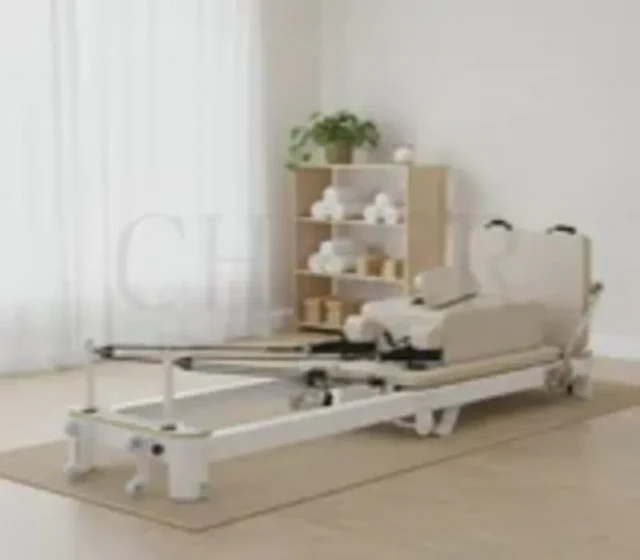
Aluminum Foldable Pilates Reformer Portable Folding Pilates Reformer Professional Pilates Reformer Pilates Reformer for Sale Fitness Pilates Reformer
- Displayed price
- US$ 710-790 / Piece
- MIC category
- Yoga Supplies
This is not a yoga mat, but it illustrates how quickly a home-practice setup can move from compact floor gear to larger equipment. The supplier listing describes an aluminum foldable Pilates reformer and displays a price of US$ 710-790 per piece. Its foldable description may appeal to people considering dedicated Pilates training, although it requires far more room, setup consideration and budget than a beginner yoga mat.
Best for People specifically seeking a substantial Pilates reformer for a dedicated home exercise area rather than a portable yoga-practice surface.
- Listed in the Made-in-China Yoga Supplies category
- Described by the supplier as aluminum and foldable
- Displayed listing price: US$ 710-790 per piece
Confirm before inquiry: A reformer is not a replacement for a yoga mat. Check available floor space, safe clearance around the equipment and the supplier's full specifications before considering a purchase.
The foldable Pilates reformer above is listed by Beijing Cheer Fitness Equipment Co., Ltd. in the Yoga Supplies category, but it is not a yoga mat. Its supplier listing names a foldable format and shows a displayed price of US$ 710-790 per piece. That makes it a separate, higher-commitment consideration for people deliberately building a Pilates setup, not an answer to basic mat comfort or grip.
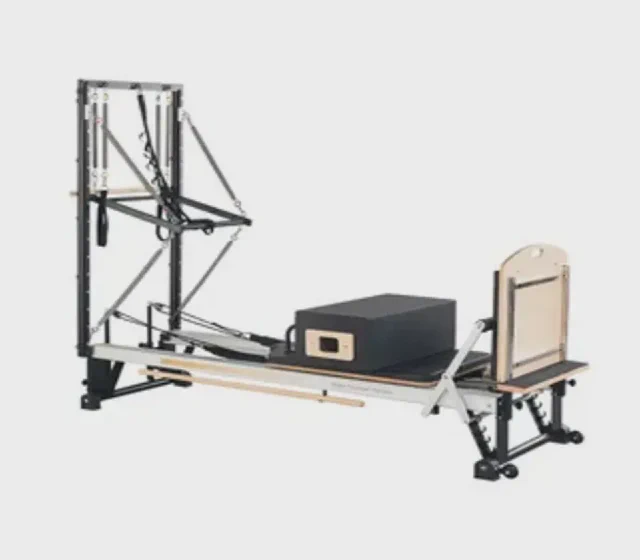
Aluminum Pilates Training Bed with Tower Pilates Reformer Half Trapeze
- MIC category
- Yoga Supplies
The supplier listing identifies this item as an aluminum Pilates training bed with a tower and half trapeze. It belongs to a very different category of home equipment from a mat: a larger, fixed-feeling training station intended for Pilates-style work. For a yoga beginner in a small living space, a simple mat remains the more practical place to start.
Best for Experienced or committed Pilates users who have a suitable dedicated training space and are researching apparatus rather than floor-based yoga gear.
- Listed in the Made-in-China Yoga Supplies category
- Supplier title describes a Pilates training bed with tower
- Not a portable yoga mat format
Confirm before inquiry: No price, dimensions, load information or setup details are stated here. Treat the supplier page as a starting point for questions, not as evidence that the equipment will suit a particular room.
Likewise, the Pilates training bed with tower listed by Yiwu Jiai E-Commerce Firm is apparatus, not floor gear. A beginner with limited living-room space should consider whether a straightforward mat routine is sustainable before exploring equipment that needs dedicated placement and clearance.
A small support accessory can be more relevant to beginner yoga than a large machine. A block may reduce the distance to the floor in seated or supported positions, provided it is used as an aid rather than a way to push deeper.
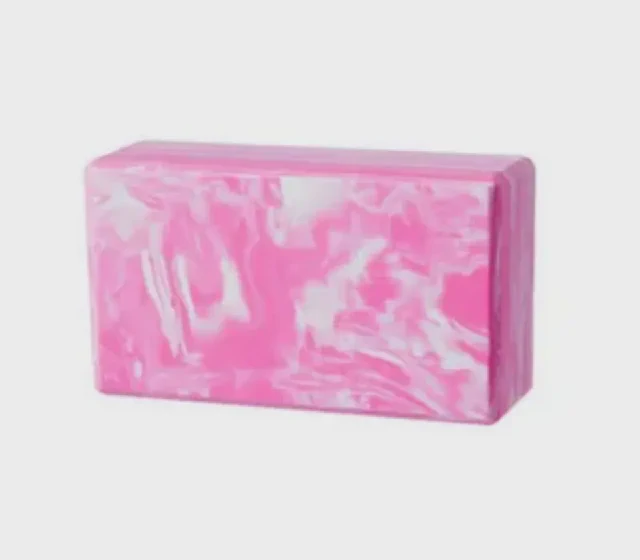
Custom Color Print Cheap High Quality Foam EVA Marble Yoga Block, Camouflage Yoga Brick
- MIC category
- Yoga Supplies
A yoga block can be a practical companion to a beginner mat because it brings the floor closer in seated folds, supported poses and some standing positions. The supplier listing describes a custom colour-print EVA foam yoga block, also called a yoga brick. Unlike a mat, it does not provide a non-slip surface or cushioning across the floor, but it may make early sessions more accessible when used thoughtfully.
Best for Beginners who want optional support for gentle mobility work, seated stretches and modified yoga positions.
- Listed in the Made-in-China Yoga Supplies category
- Supplier title identifies EVA foam construction
- Designed as a yoga block or brick rather than a mat
Confirm before inquiry: A block should feel stable and should not be used to force range of motion. If a position causes sharp pain, dizziness or persistent discomfort, stop and seek appropriate professional advice.
The EVA foam yoga block listed by Fuqing Shengde Intelligent Manufacturing … is a possible companion item, not a substitute for a mat. Use it to make a pose more accessible, and skip it when it makes you strain, twist or feel unstable.
The practical verdict
For most ordinary adults starting yoga at home, buy a non-slip mat with moderate cushioning if you want one adaptable choice. Move toward a thicker cushioned mat if hard flooring and joint comfort are your clear priorities. Pick a foldable travel mat only when storage constraints are strong enough to outweigh reduced padding.
Whichever style you choose, lay it on a clear, stable surface and begin with manageable sessions. Yoga should not require you to tolerate sharp pain, numbness, dizziness or joint instability. If you have an injury, a medical condition, persistent symptoms or uncertainty about which movements are appropriate, seek guidance from a qualified health professional before beginning or changing an exercise routine.
This article offers general information, not medical advice. Adjust activity to your experience and seek qualified guidance when needed.
FAQ
What is the best yoga mat for beginners at home?
For most beginners, a non-slip mat with moderate cushioning is the most adaptable starting point. Choose a thicker cushioned mat if your practice is mainly gentle stretching and floor-based work on hard flooring. Choose a foldable travel mat only when compact storage matters more than cushioning.
Is a thicker yoga mat always better for beginners?
No. Thick mats can feel kinder under knees, hips and wrists, especially on tile, concrete or wood, but they may compress under the feet and make balance work less steady. A moderate-thickness mat is often easier for learning standing poses.
Do I need an alignment yoga mat?
You do not need one, but printed lines can offer a useful visual reference while learning hand and foot placement. Grip, comfort and a mat that lies flat matter more than alignment markings.
Can I use a travel yoga mat on a hard floor?
You can, but a thin foldable mat may not provide enough comfort for kneeling, seated positions or lying-down work on a hard surface. Use it over carpet, a rug or a second mat if you need more cushioning.
How should I store a yoga mat in a small flat?
Roll a standard mat loosely and stand it in a dry corner, slide it under a bed if it fits without being sharply bent, or use a foldable mat in a drawer or cupboard. Let it dry after a sweaty session before putting it away.