Yoga Mat Thickness Compared: Which Option Is Best for Beginners With Sensitive Knees?
For most beginners with sensitive knees, a dense 4-5 mm yoga mat is the best starting point: cushioned enough for floor poses, yet firm enough for confident standing balance. Here
For a beginner with sensitive knees who still wants steady standing balance, choose a dense, grippy yoga mat around 4-5 mm thick. It is usually the best yoga mat thickness for beginners because it gives more protection than a thin travel mat without creating the soft, unstable feeling that can make Tree Pose or Warrior III harder.
If kneeling remains painful on a hard floor, do not assume that an 8 mm mat is the automatic answer. A firm 5-6 mm mat plus a folded blanket, towel or knee pad placed under the knees is often the more practical setup. It preserves a stable surface under the feet while adding cushioning exactly where you need it.
Thickness is only one part of comfort
A yoga mat is not comfortable simply because it is thick. The important question is how much the material compresses under pressure.
A low-density foam mat may feel plush when you press it with your hand, yet flatten almost completely under a knee. That can leave the joint meeting the hard floor while the foot still feels unstable in standing poses. A denser mat, by contrast, resists compression more effectively. It may feel firmer at first touch, but can offer more reliable support during practice.
Grip deserves equal attention. When hands slide in Downward-Facing Dog or feet shift in a lunge, the body often tenses to compensate. That can make wrists, knees and ankles feel more loaded than they need to. Look for a surface with dependable traction when dry and, if you sweat heavily, consider whether the mat will need a towel or a more sweat-friendly top layer.
Finally, consider the floor. A 4 mm mat on carpet may feel very different from the same mat on tile or concrete. Hard home floors magnify pressure under knees, hips and wrists. Thick wall-to-wall carpet can create its own wobble, particularly in balance work.
Thin travel mats: about 1.5-3 mm
Thin mats are designed around portability. Many can fold or roll into a compact bag, which makes them useful for travel, studio visits and outdoor practice. They also provide a close connection to the ground, which can feel secure in standing postures and quick transitions.
The downside is straightforward: there is very little buffer for kneeling, seated positions or wrists. A thin mat may be manageable for an experienced practitioner who is used to it, or for someone practising on a forgiving surface. It is usually not the best first choice for a beginner who already knows their knees are sensitive.
Choose a thin travel mat if portability is your non-negotiable priority and you are willing to use a folded blanket or knee pad for floor poses. Otherwise, it is better treated as a second mat than an all-purpose beginner mat.
Standard mats: about 4-5 mm
This is the sensible middle ground for most new practitioners. A 4 mm mat has a slightly firmer, more grounded feel, while a 5 mm version adds a little more cushioning without dramatically changing stability—assuming the materials are dense and well made.
For a mixed beginner class, this range handles the common demands well: standing sequences, lunges, tabletop, gentle backbends, seated work and short balance poses. You can feel the floor under your feet, which makes it easier to learn weight distribution and alignment, but knees and wrists have more protection than they would on a travel mat.
A standard 4-5 mm mat is particularly useful if your practice will include Hatha, beginner Vinyasa, general flow classes or a mix of online sessions. It is also easier to carry and store than thicker options. Most roll into a manageable cylinder and fit conventional mat straps or bags.
For sensitive knees, prioritise density over advertised softness. If possible, press your thumb into the mat and notice whether it rebounds quickly. Then stand on it barefoot. It should feel supportive, not like a cushion that shifts beneath your feet.
Cushioned mats: about 6 mm
A 6 mm yoga mat is a reasonable choice when knee, hip or wrist comfort is the primary concern. The extra millimetre or two can be noticeable during Cat-Cow, low lunge, Camel Pose preparation and longer floor-based sessions. It can also feel more pleasant on wood, laminate or tile floors.
The trade-off is a slightly less direct connection to the ground. This does not mean every 6 mm mat is unstable. A high-density 6 mm mat can remain firm and supportive, while a cheap, soft 6 mm foam mat may feel wobbly. The construction matters more than the number printed on the label.
Consider 6 mm if you mainly practise gentle yoga, slow flow, Yin or restorative sessions, or if a 4-5 mm mat plus a knee pad still does not feel sufficient. If your classes contain plenty of standing balance poses, test your balance on the mat during the return window if one is available. Try a controlled single-leg stand before deciding it is the right fit.
Extra-thick mats: 8 mm and above
An 8 mm mat and thicker exercise mats can be extremely comfortable for lying down, stretching, Pilates-style core exercises and restorative work. They create more separation from a hard floor and can feel inviting for long-held seated or reclined poses.
For conventional yoga, however, extra thickness can become a limitation. As you shift weight through your feet, the foam may compress unevenly. That can make balance poses feel less predictable and may encourage ankles to work harder to steady you. Very soft material can also make hands-and-knees positions awkward because wrists and palms sink into the surface.
This category works best when most of your session is floor-based, not when you are learning a broad set of standing yoga poses. It can also be bulky. A thick mat takes up more cupboard space, may not fit standard carriers and is less convenient for commuting to class.
If you are tempted by 8 mm purely for knee comfort, start by trying targeted padding on a dense standard mat. This is often cheaper, easier to transport and better for a varied practice.
A practical decision guide
Choose a 4 mm mat if you value stability, take dynamic or standing-focused classes, have average joint comfort, or need a lighter mat for regular travel to a studio.
Choose a 5 mm mat if you want the most adaptable beginner option. It is usually the strongest compromise for sensitive knees, mixed classes and home use on moderately hard floors.
Choose a 6 mm mat if knee comfort is a significant priority, your practice is gentler or slower, and the mat is high density rather than overly soft. It is also a good option for people who spend more time in kneeling and seated positions.
Choose an 8 mm-plus mat if you mostly do restorative floor work, stretching or general exercise and do not mind reduced portability or a less stable feel in balance poses.
Make any mat more knee-friendly
Before buying the thickest option available, adjust the setup around the pose. In kneeling low lunge, place a folded blanket beneath the back knee. In tabletop, use a folded towel under both knees. For a long restorative session, use bolsters, blocks or cushions to reduce pressure rather than forcing joints into an uncomfortable position.
Also check your positioning. In tabletop, knees should generally sit beneath hips, with hands beneath shoulders; a very wide or narrow base can alter how pressure is distributed. In lunges, use padding and shorten the range of motion if the back knee is uncomfortable. There is no prize for enduring sharp, pinching or escalating pain.
For people who want to supplement mat practice with supported home movement, larger Pilates equipment is a separate category with different space and handling demands.
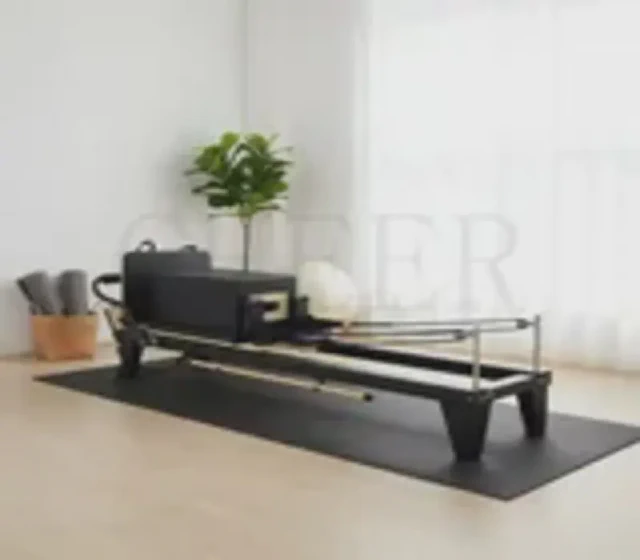
Aluminum Reformer Pilates Studio Equipment Premium Yoga Reformer for Home and Gym
- Displayed price
- US$ 649-750 / Piece
- MIC category
- Yoga Supplies
This is not a replacement for a yoga mat, but a reformer can be a useful separate format for people who want supported, low-impact movement alongside yoga. The supplier listing identifies it as an aluminum Pilates reformer designed for home and gym use, with a displayed price of US$ 649-750 per piece. A reformer requires considerably more room, setup consideration and budget than a mat.
Best for People building a dedicated home movement space and looking beyond floor-based yoga.
- Supplier listing describes an aluminum Pilates reformer for home and gym use
- Separate equipment format from a yoga mat
- Displayed price: US$ 649-750 per piece
Confirm before inquiry: Check dimensions, resistance setup, assembly requirements, available space and safe use guidance directly with the supplier before purchase.

Ultimate 5-Piece Pilates Equipment Set for Home Workouts
- MIC category
- Yoga Supplies
For beginners who find prolonged kneeling uncomfortable, a multi-piece Pilates set may offer ways to vary a home routine rather than relying on one mat-based format. The supplier listing places this five-piece set in the Yoga Supplies category, but it does not provide enough listed detail here to judge included items, resistance levels or suitability for individual needs.
Best for Home exercisers who want variety alongside a basic yoga practice.
- Supplier listing names a five-piece Pilates equipment set for home workouts
- Listed in the Yoga Supplies category
- May complement, rather than replace, a supportive yoga mat
Confirm before inquiry: Confirm exactly what is included and whether each component is appropriate for your space, experience and intended exercises.
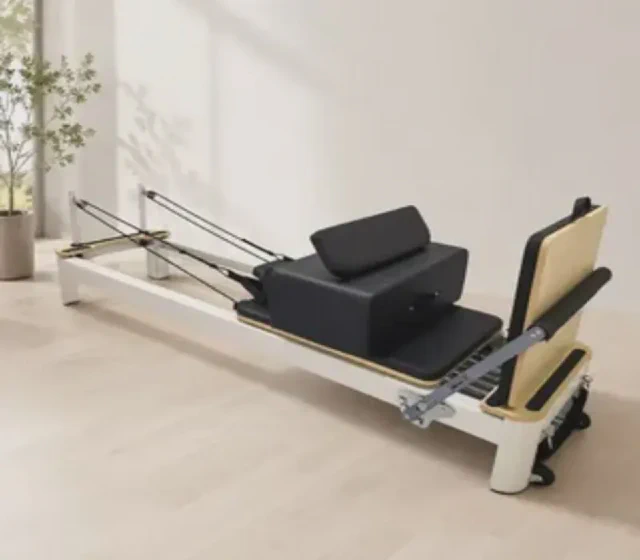
Walnut Aluminum Studio Fitness Exercise Equipment Reformer Gym Pilates Reformer Machine
- MIC category
- Yoga Supplies
A Pilates reformer is a substantial equipment choice for a person whose comfort needs extend beyond what a mat can provide. This supplier listing describes a walnut and aluminum studio fitness reformer. It is a different proposition from choosing between 4 mm and 6 mm yoga mats: the decision involves room layout, equipment handling and a more structured approach to exercise.
Best for Experienced home exercisers or studios planning a permanent Pilates-focused setup.
- Supplier listing describes a walnut and aluminum Pilates reformer machine
- Studio-oriented equipment format
- Listed in the Yoga Supplies category
Confirm before inquiry: Seek clear supplier information on footprint, assembly, maintenance, user instructions and any training needed before committing to large equipment.
The bottom line
For most people beginning yoga with sensitive knees, a high-density 4-5 mm mat with reliable grip is the best place to start. It supports a wide variety of poses without making standing balance unnecessarily difficult. Move to 6 mm if you need more cushioning and practise primarily gentle styles. Reserve 8 mm and thicker mats for sessions that are predominantly floor-based.
Persistent joint pain, swelling, numbness, pain after a fall, or pain that does not improve with sensible adjustments deserves advice from a qualified healthcare professional. A mat can improve comfort, but it cannot diagnose or treat an injury.
This article offers general information, not medical advice. Adjust activity to your experience and seek qualified guidance when needed.
FAQ
What is the best yoga mat thickness for beginners?
A dense 4-5 mm mat is the strongest all-round starting point for most beginners. It provides useful cushioning for knees and wrists while keeping a reliable connection to the floor for standing poses and transitions.
Is a 6 mm yoga mat too thick for beginners?
Not necessarily. A firm, high-density 6 mm mat can suit beginners with sensitive knees or those who mainly practise gentle, Hatha, Yin or restorative yoga. It may feel less steady than a 4-5 mm mat in Tree Pose, Warrior III and other one-foot balances.
Why do my knees still hurt on a thick yoga mat?
Thickness does not guarantee support. Soft, low-density foam can compress beneath a knee and leave little buffer. Hard flooring, kneeling technique and pressure from the pose can also contribute. Try a dense mat and add a folded blanket or dedicated knee cushion for kneeling positions.
Are 8 mm yoga mats good for balance poses?
They can work for some people, but many 8 mm mats feel less stable in standing balances because the material compresses unevenly as weight shifts. They are generally more suitable for slow floor-based practice, stretching, restorative yoga and general exercise.
Should I choose a thick mat if I have sensitive wrists?
Extra cushioning may make hands-and-knees positions more comfortable, but wrist comfort also depends on hand placement, load management and grip. A stable, grippy dense mat is often more helpful than a very soft mat that lets the wrist sink or slide.