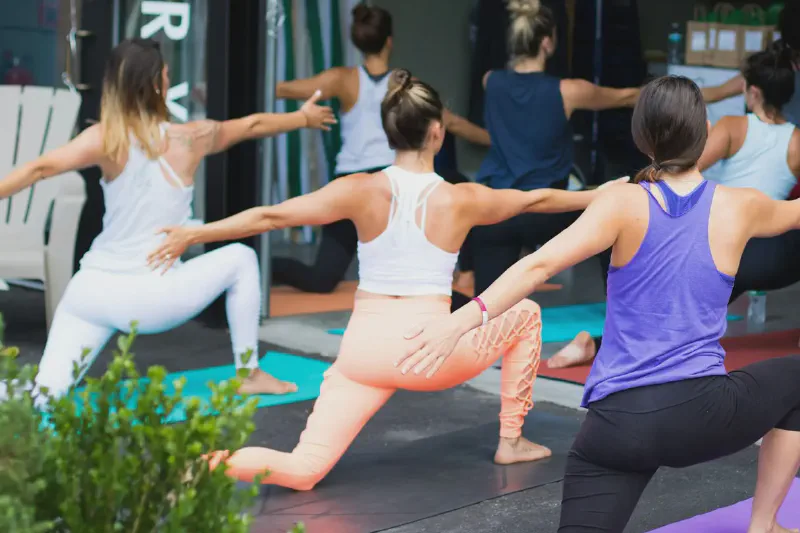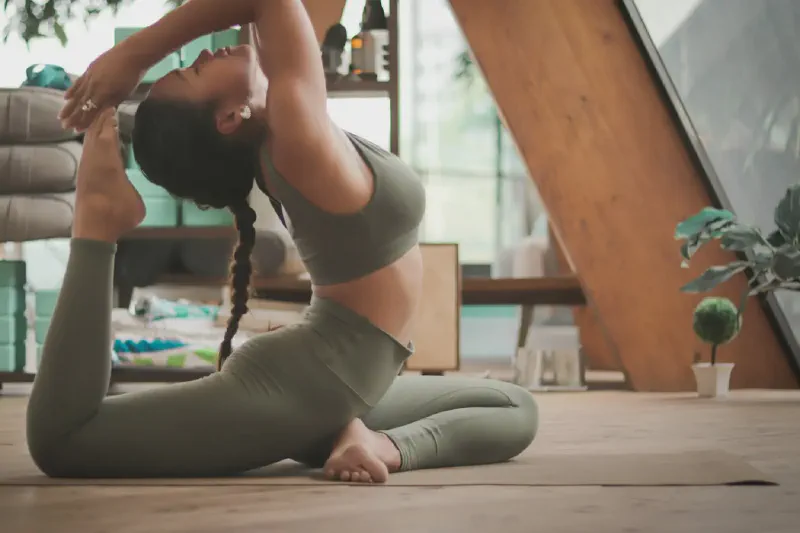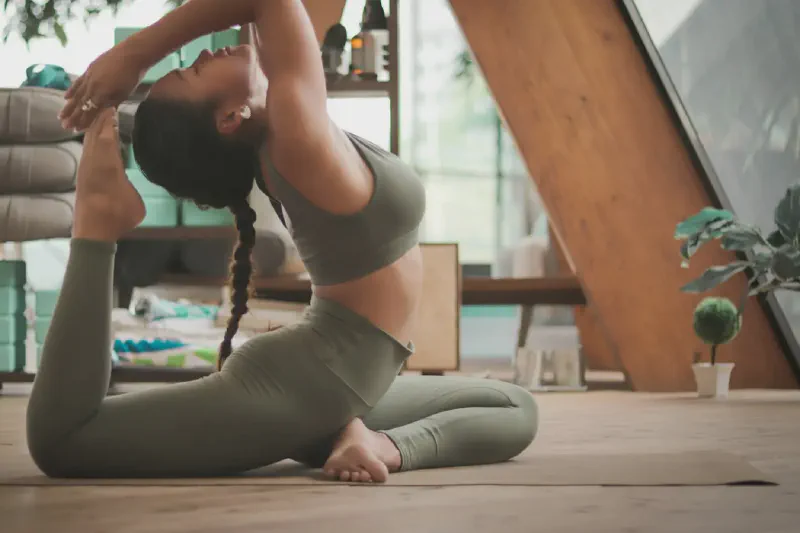
The Best Yoga Mats for Beginners: Thick vs. Thin vs. Extra-Long
Choosing your first yoga mat can be confusing with all the thickness options, lengths, and materials on the market. This guide compares thick (6mm+), thin (3–4mm), and extra-long m
If you have just walked into a sports store or scrolled through dozens of yoga mat listings, you already know the feeling: thick ones look like mattresses, thin ones seem too flimsy, and the extra-long ones promise to solve a problem you didn’t know you had. Which one actually works for a beginner?
The honest answer: the best yoga mat for beginners depends on your body type, the style of yoga you plan to practice, and whether you will carry the mat to a studio or keep it at home. This guide compares three common mat formats — thick (6mm+ cushioning), thin (3–4mm travel mats), and extra-long (72–85 inches) — and also takes a look at how Pilates reformers can be a worthwhile addition as you progress.
Thick Mats: Comfort First
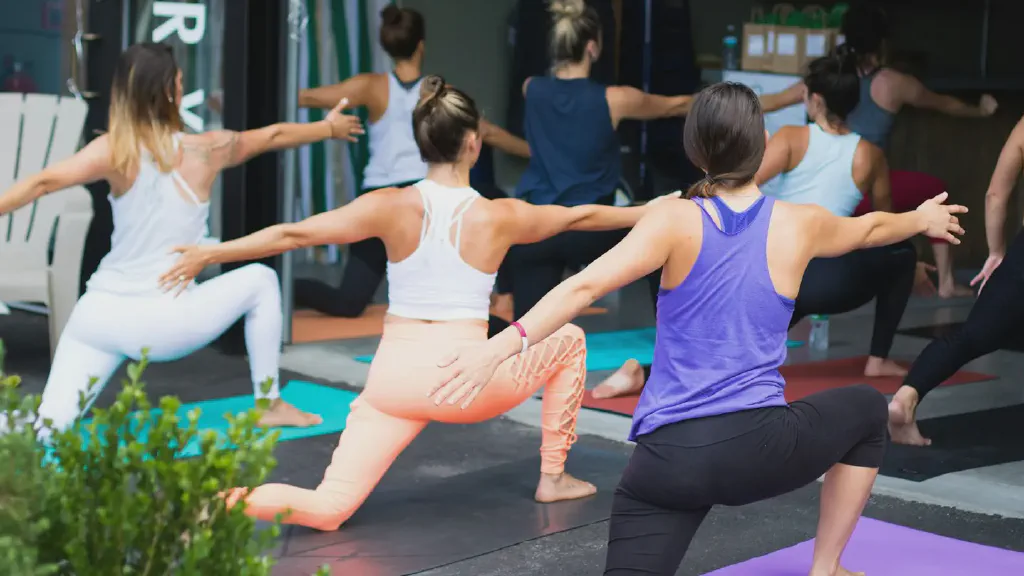
Thick mats (6mm to 10mm) are the go-to choice for beginners who worry about knee, hip, or wrist pain. They provide a soft landing in kneeling poses like Anjaneyasana (low lunge) and offer extra insulation against cold or hard floors. The trade-off: thicker mats can feel unstable in balance poses such as Vrksasana (tree pose), and they are heavier to roll and carry. Many thick mats also have a slightly spongy texture that may not suit fast-flowing Vinyasa or Ashtanga sequences.
A good example of a thick-style mat is the This UV Printing Different Colorful Designs Double Layer TPE Yoga Mat from Fuqing Shengde Intelligent Manufacturing combines a two-layer construction with vibrant printed patterns. The TPE material is eco-friendly, non-slip, and offers a balanced feel – with the double layer adding extra cushioning that suits beginners who want both comfort and a colorful aesthetic. The thin profile of standard TPE is augmented here, making it a versatile choice for home practice. Best for Beginners looking for an affordable, durable mat with playful designs and moderate thickness. Confirm before inquiry: The exact thickness is not specified by the supplier; double-layer TPE mats typically range from 5mm to 6mm. Beginners with sensitive knees may prefer a dedicated 6mm+ mat.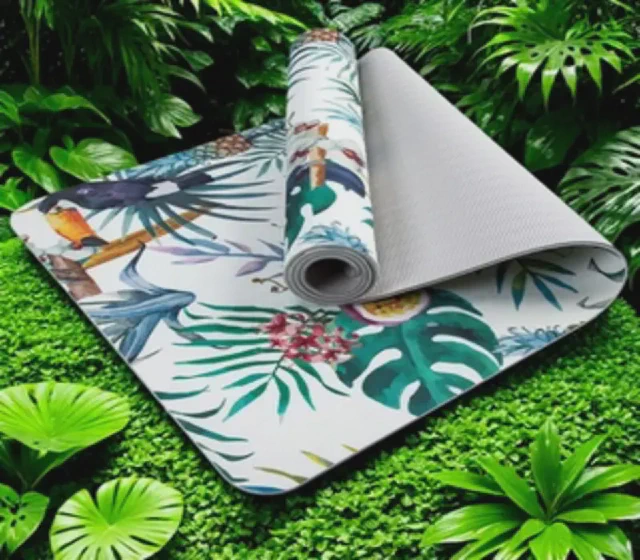
UV Printing Different Colorful Designs Double Layer TPE Yoga Mat
View product listing
Thin Mats: Portability and Ground Feel
Thin mats (3–4mm) are the choice of travellers, minimalist yogis, and practitioners of styles that demand a strong connection to the floor – think Ashtanga, Power Yoga, or hot yoga where stability and grip matter more than padding. These mats are lightweight, easy to fold or roll, and often dry quickly after a sweaty session. The downside: they provide almost no cushioning for bony areas, so beginners with sensitive joints may need a folded blanket or towel under their knees.
While the approved product list does not include a dedicated thin mat, the TPE double-layer mat above could serve as a medium-thin option if used on a carpeted surface. Always check the thickness before purchasing – if the listing doesn’t state it, reach out to the supplier for details.
Extra-Long Mats: For Taller Practitioners
Standard yoga mats measure about 68 inches (173 cm) – comfortable for most people up to about 5’8”. If you are taller, your head or feet will hang off the mat during Savasana (corpse pose) and forward folds. Extra-long mats (72–85 inches) solve this by providing full-body support. They are also wider in some cases, giving extra room for wide-legged poses. The caveat: long mats are less portable and may not fit into standard studio cubbies. Home practitioners don’t need to worry about that, so if you fall into the taller bracket, this is a worthy investment.
Beyond the Mat: Pilates Reformers for Cross-Training
Once you settle into a regular yoga practice, you might want to add low‑impact resistance training. Pilates reformers target the core, legs, and arms in a way that complements yoga. The two reformers in our listing represent different aesthetics and build qualities.
The The Aluminum Reformer Pilates Studio Equipment Premium Yoga Reformer from Beijing Cheer Fitness Equipment is a full-body resistance machine designed for home or studio. Its aluminum frame provides a sturdy, lightweight build, and the supplier lists a displayed price of US$649–750 per piece. This reformer targets core stability, flexibility, and strength – complementing yoga practice for beginners who want to progress into low-impact cross-training. Best for Beginners and intermediate practitioners who want to add Pilates-based resistance work to their yoga routine. Confirm before inquiry: The price and MOQ are listed per the supplier. This is a large piece of equipment requiring floor space (approx. 8 ft x 3 ft). Not intended as a replacement for a yoga mat. The Walnut Aluminum Studio Fitness Exercise Equipment Reformer Gym Pilates Reformer Machine from Dezhou Senrui Fitness Equipment combines a walnut finish with an aluminum frame, giving it a warm, furniture-like appearance that blends into home decor. It offers the same core-strengthening benefits as standard reformers, and the supplier lists it as a premium machine. Ideal for practitioners who value aesthetics alongside function. Best for Yogis who want a visually pleasing reformer for their home studio and are willing to invest in a high-end cross-training tool. Confirm before inquiry: Pricing and MOQ are set by the supplier. Like all reformers, this requires dedicated space and assembly. The reformer does not replace a yoga mat but adds variety to your training.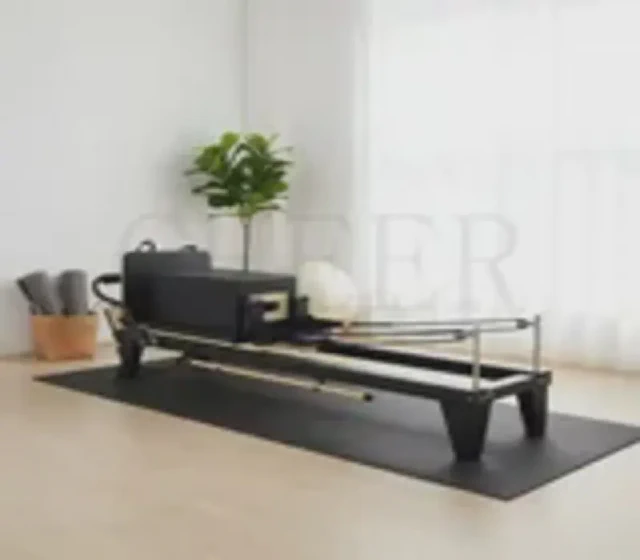
Aluminum Reformer Pilates Studio Equipment Premium Yoga Reformer for Home and Gym
View product listing 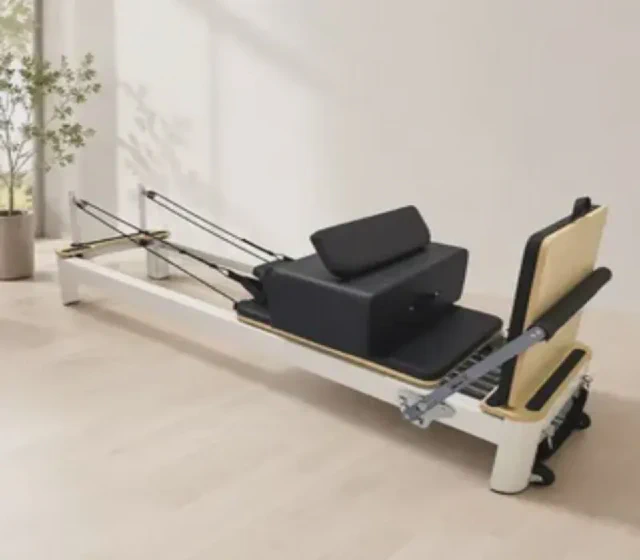
Walnut Aluminum Studio Fitness Exercise Equipment Reformer Gym Pilates Reformer Machine
View product listing
Remember: a yoga mat is your foundation. Start with one that matches your immediate needs – thick for comfort, thin for portability, or long for height – and expand your equipment as your practice evolves. If you decide to invest in a reformer later, the two options above offer quality builds from verified suppliers.
This article offers general information, not medical advice. Adjust activity to your experience and seek qualified guidance when needed.
FAQ
What thickness should a beginner choose for a yoga mat?
It depends on your practice style and comfort. Thick mats (6mm–10mm) are great for cushioning sensitive joints in gentle or restorative classes. Thin mats (3mm–4mm) provide better stability for balancing poses and are easier to carry. Many beginners start with a medium-thick mat (5mm) to test their preferences.
Are extra-long yoga mats worth it for tall people?
Yes – if you are over 5'8", a standard 68-inch mat often leaves your head or feet off the mat during lying poses. Extra-long mats (72 to 85 inches) ensure full body contact with the mat, improving comfort and hygiene.
Can a Pilates reformer replace a yoga mat?
No – they serve different purposes. Yoga mats provide the surface for floor-based asanas, breathing, and meditation. A Pilates reformer is a resistance machine that targets core strength and alignment. Many practitioners use both for a well-rounded routine.