Compact Folding Treadmill vs Walking Pad vs Under-Desk Treadmill: Which Fits a Small Home?
A practical comparison of compact folding treadmills, walking pads and under-desk treadmills for apartment living, including storage, handrails, speeds, noise and beginner jogging.
If you want a compact treadmill for a small apartment and hope to do more than gentle walking, choose a compact folding treadmill with handrails over a basic walking pad or under-desk treadmill—provided you have somewhere to park it when folded. Choose a walking pad when storage is the non-negotiable issue and walking is the goal. Choose an under-desk treadmill only if your main habit will be slow steps while working.
The names overlap in online listings, which is why the choice can feel more confusing than it should. A “walking pad” may fold, a folding treadmill may have a slim profile, and some treadmills are marketed for both desk walking and normal exercise. Instead of buying by name, compare the format by the work it needs to do in your home: where it sits while in use, where it lives afterwards, whether you need handrails, and whether jogging is genuinely part of the plan.
The three formats at a glance
A compact folding treadmill is the broadest option. It usually resembles a familiar treadmill: a raised console, handrails and a deck that may lift up for storage. That upright structure takes more visual and vertical space than a flat pad, but it can be useful for a new walker who wants something to hold while getting comfortable with the controls. It is also the format most likely to make sense if you expect to build towards easy jogging, assuming the manufacturer specifically states that the machine supports the required speed and user weight.
A walking pad is usually a lower, slimmer machine designed around walking. Many are easier to slide beside a sofa or beneath a raised bed, though “slim” does not mean weightless or easy to manoeuvre. Their low profile can be excellent in a studio flat, but it often comes with reduced handrail support, a shorter deck or a walking-focused speed range. That is not a flaw if your aim is a daily 20-minute walk. It matters if you are unsteady, new to exercise or tempted to turn a walking routine into running.
An under-desk treadmill is a specific walking-pad use case. It is built to run at low speeds beneath a standing desk, letting you add steps while reading, answering email or listening to a meeting. It can make sedentary days less static, but it is not automatically a better workout tool. A desk, screen and keyboard compete for your attention; faster movement is rarely the point. Think of it as equipment for light movement, rather than a substitute for a treadmill session with room to focus on posture and footing.
Storage dimensions: measure the open machine, not just the folded one
The most common small-home mistake is measuring only the gap under the bed or against a wall. Storage dimensions matter, but the open footprint determines whether you can use the machine safely.
First, mark out the stated open length and width with tape on the floor. Stand at the rear edge and allow clear space for stepping on, stepping off and moving naturally. Avoid placing the machine where a door can swing into it or where another person must squeeze past while you walk. If you plan to fold it upright, measure the ceiling height and check that the stored deck will not obstruct a doorway, radiator or shelf.
Then consider handling. A folding treadmill may occupy less floor area once lifted, but you still need the strength and space to raise, lower and wheel it without pinching fingers or hitting furniture. A flat walking pad may fit beneath furniture, yet can be awkward to drag if the clearance is tight. Check the route from the building entrance to your room as carefully as the final storage spot: stairwells, lifts, narrow hallways and sharp turns all count.
Handrails are not merely an accessory
Handrails can make a compact folding treadmill less sleek, but they are often useful for beginners. They provide a place to steady yourself while starting the belt, changing speed or regaining balance. They should not become something you lean heavily on throughout every walk, as that can alter your natural posture, but their presence can make a new routine feel less intimidating.
A handrail-free walking pad has advantages: less bulk, simpler storage and fewer parts above the deck. The trade-off is that you need to be comfortable walking independently from the outset. If balance is uncertain, if you are returning to movement after a long break, or if the treadmill will be used by more than one person, prioritise stability and a clear emergency stop arrangement over the thinnest possible profile.
Speed range and running: do not infer capability from appearance
A motorised belt is not necessarily a jogging treadmill. Walking pads and under-desk units can be deliberately limited to lower speeds. Some folding models may support faster exercise, but the product specification—not a promotional photo—must confirm that.
For walking, a stable belt, comfortable pace control and a deck long enough for your natural stride are more important than a high maximum speed. For beginner jogging, look beyond speed alone. You need enough usable deck length and width to avoid feeling cramped, a stable frame, an appropriate stated user-weight capacity and clear information that running is intended. If any of these details are missing, ask before buying rather than treating the machine as a future-proof running upgrade.
Weight capacity deserves the same caution. It is a manufacturer limit, not a rough suggestion, and should cover the intended user rather than being treated as something to exceed. Do not guess from the machine’s appearance or its price.
Apartment noise: walking is usually easier to manage than running
Noise is partly mechanical, but vibration and impact are often what neighbours notice. Running creates more force through the deck and floor than walking, especially in upstairs flats. A slim machine is not automatically quieter, and a larger treadmill is not automatically louder; construction, maintenance, flooring and technique all play a role.
Place the machine on a dense protective mat that is suitable for exercise equipment, on a level surface. Keep the belt and deck maintained according to the manufacturer’s instructions, and make sure the treadmill does not rock. Walking in supportive shoes and avoiding late-night high-impact sessions can make a meaningful difference. If noise sensitivity is a serious concern, favour a walking-first routine and choose a location away from shared walls where possible.
Product formats worth comparing
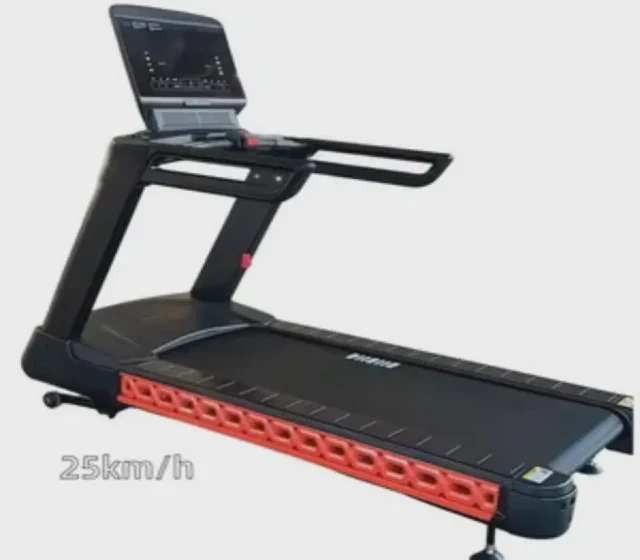
Electric Treadmill Running Machine for Indoor Cardio Training with Commercial Fitness and Gym Equipment Setup
- MIC category
- Treadmill
This supplier listing is framed around indoor cardio training and commercial fitness or gym equipment. That positioning makes it a reminder that a conventional treadmill may be more appropriate when running stability is the priority, but it is not automatically the sensible answer for a tight apartment. Confirm the open dimensions, folded dimensions if applicable, machine weight, power requirements and moving arrangement directly with the supplier before treating it as a compact-home option.
Best for Residents with a dedicated workout corner who prioritise a more traditional treadmill format and can verify the footprint.
- Listed in the Made-in-China Treadmill category
- Presented by the supplier for indoor cardio training
- Commercial and gym equipment wording suggests confirming home-space practicality before purchase
Confirm before inquiry: The supplied listing information does not state dimensions, speed range, weight capacity, noise output or folding mechanism.
A more conventional treadmill can be attractive if you want a dedicated training feel, but verify whether it is realistic for your available room rather than assuming a gym-oriented listing suits an apartment.
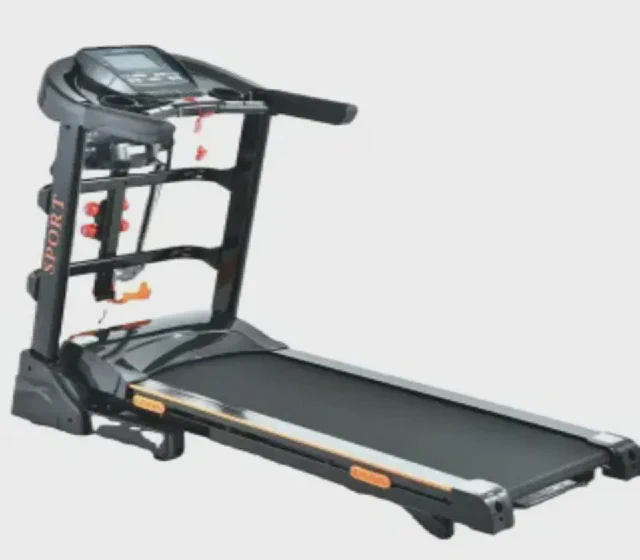
Hot Sale Motorized Treadmill Home Use Gym Treadmill Machine Folding Electric Treadmill
- MIC category
- Treadmill
The listing title identifies this as a home-use gym treadmill and a folding electric treadmill, making it the closest of these options to the classic all-round format many beginners expect. Folding can reduce the storage footprint, but it does not eliminate the need for clear space when the deck is down. Ask for the locked folded position, transport-wheel details, deck dimensions and supported user-weight information rather than relying on the word “folding” alone.
Best for Beginners who want a conventional treadmill layout for regular walks and may progress to gentle jogging, subject to verified specifications.
- Listed as a motorized treadmill for home use
- Supplier title describes it as folding
- Listed in the Made-in-China Treadmill category
Confirm before inquiry: No displayed price, measurements, speed range, capacity, incline details or noise specification were provided in the approved listing data.
A folding electric treadmill is often the sensible middle ground: more structure than a walking pad, but potentially easier to store than a fixed-frame machine. The value depends on the actual folded dimensions and the ease of moving it.
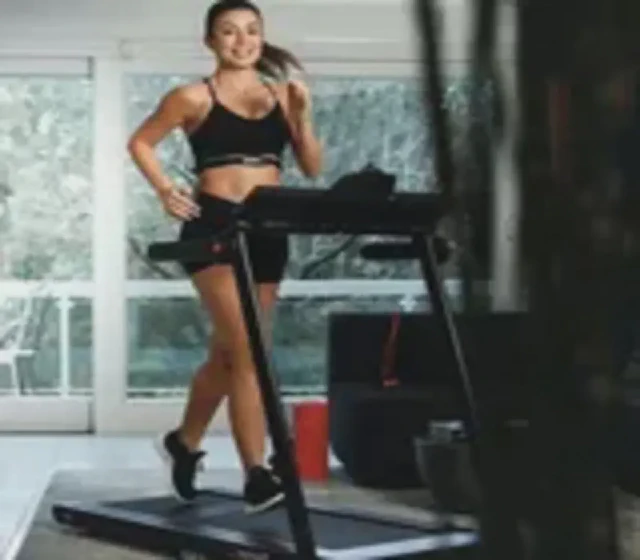
Kstar Adjustable Walking Pad Home Use Full Folding Treadmill
- Displayed price
- US$ 159-165 / Piece
- MIC category
- Treadmill
Kstar’s listing combines the phrases “walking pad” and “full folding treadmill,” which is potentially appealing for an apartment where storage is the deciding factor. Its displayed supplier-listing price is US$159–165 per piece. The important follow-up is whether the adjustable, full-folding design still provides the handrail height, speed range and deck stability you need. It may be a strong space-led option for walking, but beginner joggers should obtain the full specification and use guidance before assuming it is built for running.
Best for Apartment dwellers whose main goal is indoor walking and who need to investigate a more compact storage approach.
- Supplier listing calls it an adjustable walking pad
- Supplier listing describes it as a full-folding treadmill
- Displayed price: US$159–165 per piece
Confirm before inquiry: Price and feature wording are supplier-listing information. Confirm final pricing, dimensions, speed range, user-weight limit and intended running use directly with the supplier.
A full-folding walking-pad concept may suit a home where every centimetre matters. Confirm whether its specifications match walking only or the kind of supported beginner jogging you hope to do.
Make the choice based on your routine
Pick a compact folding treadmill if you have a reliable storage wall or corner, want handrails and expect your routine to include brisk walking or carefully progressed jogging. It asks more of your space, but can ask less of your balance and confidence.
Pick a walking pad if your apartment cannot accommodate an upright console and your real plan is consistent, independent walking. It is the better answer when putting the equipment away quickly is what will make you use it.
Pick an under-desk treadmill if work-from-home hours are the obstacle and low-speed movement is the habit you want to build. Keep expectations specific: it is for gentle steps, not focused running training.
Finally, begin more slowly than you think you need to. Read the operating instructions, use the safety key where supplied, wear stable footwear and keep children, pets and loose cables away from the moving belt. If you have a medical condition, recent injury, dizziness, chest symptoms or concerns about beginning exercise, seek personalised advice from a qualified health professional before starting.
This article offers general information, not medical advice. Adjust activity to your experience and seek qualified guidance when needed.
FAQ
Can a walking pad fit under a bed?
Some slim walking pads can, but do not assume this from photos. Check the product's folded height, its overall length and the actual clearance beneath your bed frame. Also leave enough room to pull it out without scraping walls or furniture.
Is a folding treadmill good for beginner jogging?
It can be, provided its stated speed range, user-weight limit, running surface and stability suit the user. A model with a proper console and handrails is generally a more practical starting point for cautious beginner jogging than a low-profile walking-only format.
Are under-desk treadmills safe to use while working?
They can suit slow, focused walking when the desk setup is stable and the task is simple. Typing, video calls and other work can divide attention, so begin slowly, keep cords clear and avoid trying to work while moving at a pace that affects balance.
Will a compact treadmill be quiet enough for an apartment?
No treadmill is silent. Motor sound is only one part of the issue: walking impact, belt contact, vibration transfer and the building construction can all be noticeable. A dense equipment mat, level floor and walking rather than running can help reduce disturbance.
What should I measure before buying a compact treadmill for a small apartment?
Measure the usable floor space while the treadmill is open, the dimensions of its intended storage spot, doorways and turns on the route inside, ceiling height, nearby outlet access and the clearance needed to step on and off safely.