Foldable vs Upright vs Recumbent Exercise Bikes for Small Homes
A practical comparison of foldable, compact upright and recumbent exercise bikes for beginners choosing low-impact cardio equipment for a small home.

If you need low-impact indoor cycling in a small home, choose a foldable bike when storage is your deciding factor, a compact upright magnetic bike when you want a steadier all-round ride, and a recumbent only when comfort and easy access matter more than floor space. For most beginners in apartments, the practical choice is a foldable or compact upright model with magnetic resistance and straightforward controls.
The best exercise bike for small spaces is not automatically the smallest one. A bike that fits in a cupboard but feels awkward, wobbly or uncomfortable may soon become clutter. Equally, a highly comfortable recumbent bike is not much help if its extended frame blocks a doorway or makes the room hard to use. Start with your available space, then weigh comfort, access and the kind of sessions you realistically expect to do.
The quick comparison
| Format | Typical space priority | Riding position | Comfort and access | Best routine |
|---|---|---|---|---|
| Foldable bike | Smallest storage footprint | Upright or semi-recumbent, depending on model | Usually basic saddle; moderate step-over | Easy to moderate rides, occasional use |
| Compact upright bike | Small permanent footprint | Vertical, similar to a conventional bicycle | More adjustment than many folding models; may require stepping over the frame | Regular steady cardio and beginner intervals |
| Recumbent bike | Largest footprint | Reclined seat with pedals in front | Wide seat, back support and low step-through access | Longer, comfortable low-impact sessions |
These are broad format differences rather than guarantees. Individual dimensions, saddle shape, handlebar reach, weight capacity, resistance range and transport wheels vary considerably. Always use the exact model’s specifications for a final fit check.
Foldable bikes: best when your room has more than one job
A foldable exercise bike is designed for people who cannot dedicate a corner of the home to fitness equipment. Most use a compact, hinged frame that closes after use, making it easier to store beside a wardrobe, behind a door or in a suitable cupboard. This is particularly useful in studio flats, shared homes and living rooms that need to return to normal after a workout.
The compromise is that foldable bikes are commonly lighter and less rigid than conventional upright machines. They are generally well suited to gentle pedalling, warm-ups, short rides and steady beginner sessions. They may feel less secure during rapid cadence changes, hard resistance work or out-of-the-saddle riding. In reality, many folding models are intended to be ridden seated throughout.
Look for a folding mechanism that you can operate without wrestling with the frame. It should lock firmly in both riding and stored positions. Check whether the folded bike can be rolled rather than carried, because a machine that is technically portable can still be inconvenient to move daily. Also confirm its folded dimensions: a narrow footprint is useful only if the bike’s height and handlebar shape fit the intended storage spot.
Saddle comfort deserves particular attention. Folding models often have wider, softer seats than spin bikes, but “soft” is not the same as supportive for every body. A short test ride, where possible, is more useful than judging a saddle by appearance. If you expect to ride for 30 minutes or more several times a week, do not overlook seat height adjustment and your ability to reach the pedals without rocking your hips.
Compact upright bikes: the balanced choice
A compact upright bike is usually the most versatile option for a beginner who has a permanent patch of floor available. You sit more vertically over the pedals than on a recumbent, with a posture closer to riding an everyday bicycle. The frame is often sturdier than a folding design, and the bike may provide more adjustment in the saddle and handlebars.
This format works well for people building a reliable home cardio habit: 20 to 40 minutes of comfortable, low-impact riding, with the option to add gentle intervals later. It typically occupies less floor space than a recumbent because it grows upward rather than outward. That said, measure the full use area. You need room to swing a leg over the frame, adjust the seat, get on and off without catching furniture, and pedal without knocking knees or elbows.
For apartment use, magnetic resistance is a sensible feature to prioritise. It usually changes resistance without a brake pad pressing directly against a flywheel, so it tends to produce less noise and requires fewer wear items than friction resistance. Quiet does not mean silent, however. Pedal threads, loose bolts, an uneven floor and a heavy cadence can all add sound or vibration. A dense equipment mat can protect flooring and reduce vibration travelling to rooms below.
Choose a resistance system that begins genuinely easy. Beginners do not need a huge number of programmes, but they benefit from small, understandable changes in effort. A basic console that shows time, estimated distance, cadence or heart rate can support consistency, but a complicated screen is not essential. The useful feature is one that helps you start riding rather than delays the session.
Recumbent bikes: comfort first, space second
A recumbent bike places you in a supported, reclined seat with the pedals in front of the body. Its backrest, wider seat and step-through design can feel reassuring for beginners, people who dislike narrow saddles and anyone who finds climbing over an upright frame difficult. The supported position can also make longer, easy rides more appealing.
The major drawback in a small home is length. The extended seat-and-pedal layout generally demands more floor area than either a foldable bike or a compact upright. It may be difficult to tuck into a corner because you need access to the seat and clear space around the front pedal area. Before buying, mark the machine’s stated length and width on the floor with masking tape, then add clearance for mounting and normal movement around it.
Recumbent does not mean effortless. Resistance can still challenge the legs and raise your heart rate. But the format is usually better for steady, seated sessions than for riders seeking a dynamic, class-style workout. If you want to exercise frequently and your main barrier is discomfort, the larger footprint can be a worthwhile trade-off. If you must fold or move the bike after each ride, it is unlikely to be the easiest format to live with.
A marketplace reality check: not every cardio listing is a bike
When comparing online fitness equipment, read the actual product title and details rather than relying solely on a catalogue category. Some category pages group several forms of cardio equipment together. That can be useful for browsing, but it also makes it important to distinguish between a seated cycling machine and a different type of exercise.
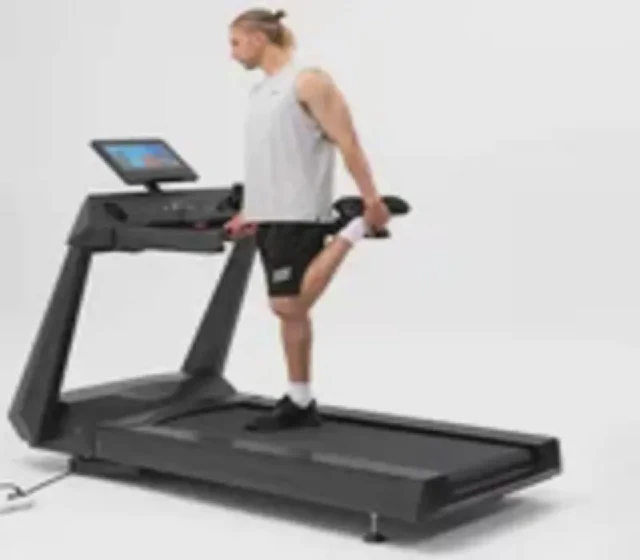
AC Motor Exercise Incline Motorized Sport Running Fitness Gym Treadmill Machine
- Displayed price
- US$ 930-950 / Piece
- MIC category
- Exercise Bike
This listing is categorised under Exercise Bike on the supplier marketplace, but its product name identifies it as a motorized incline treadmill rather than a stationary bike. It may suit a household comparing indoor cardio formats, but it does not answer the need for seated, low-impact cycling. The supplier listing displays a price of US$ 930-950 per piece.
Best for People who prefer walking-based indoor cardio and have room for a treadmill.
- Supplier listing describes a motorized incline treadmill
- Displayed price: US$ 930-950 per piece
- Not a substitute for an exercise bike if seated cycling is the priority
Confirm before inquiry: Check the supplier listing directly for dimensions, folding details, power requirements, noise information and suitability before making a purchasing decision.
A treadmill can provide convenient indoor walking, but it is not a seated cycling alternative and can have different space, power and noise considerations. For a beginner specifically seeking low-impact pedalling, it should be considered a separate choice rather than an equivalent bike format.
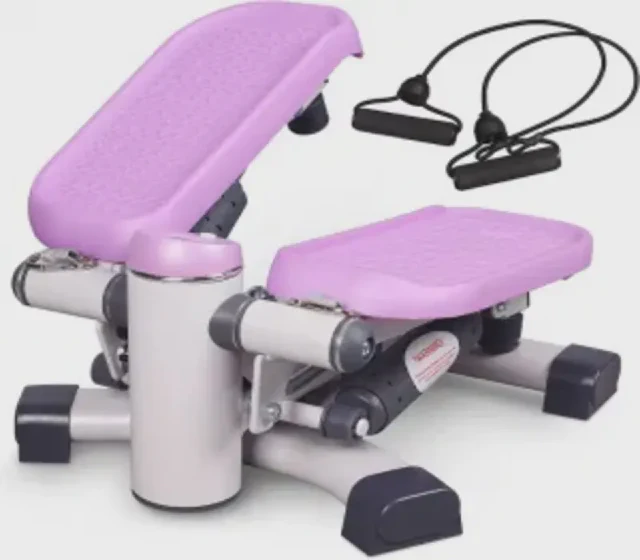
Exercises-Twist Stepper with Resistance Bands Weight Capacity Sportsroyals Stair Stepper
- MIC category
- Exercise Bike
This supplier listing is for a twist stepper with resistance bands, not an exercise bike. A stepper can take little floor space, but it produces a standing workout and does not offer the seated, circular pedalling motion that makes cycling attractive to many beginners seeking lower-impact cardio.
Best for Very small homes where a brief standing cardio option is preferred over cycling.
- Supplier listing identifies a twist stepper with resistance bands
- Compact alternative to larger cardio machines
- Standing exercise format rather than seated cycling
Confirm before inquiry: Consider balance, knee comfort and available ceiling and side clearance before choosing a standing cardio machine.
Likewise, a compact stepper may solve a storage problem, but standing stepping is a different movement pattern. It may be less suitable for someone choosing cycling because they want back support, seated exercise or a stable position while building fitness.
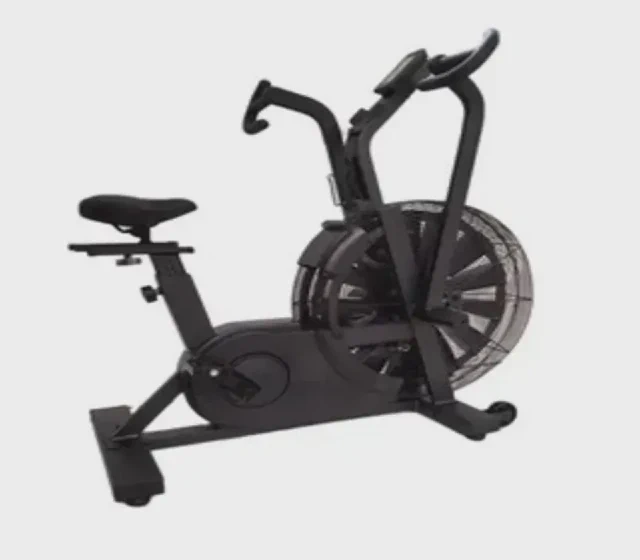
High-Stability Commercial Indoor Training Fitness Gym Equipment Air/Spinning Bike
- MIC category
- Exercise Bike
The supplier listing describes a high-stability commercial indoor training air/spinning bike. This is closer to the cycling category than the other marketplace examples, but an air or spin-oriented bike is normally aimed at more demanding sessions than a basic foldable, upright or recumbent model. It can be a better fit for a rider who wants intervals and a sturdier training feel, provided the home has enough permanent floor space.
Best for Confident riders who want higher-effort indoor training and can accommodate a full-size bike.
- Supplier listing describes an air/spinning bike
- Positioned as high-stability commercial training equipment
- Potentially better suited to vigorous training than compact storage
Confirm before inquiry: The listing does not establish its dimensions, resistance system, noise level or apartment suitability; confirm those details with the supplier.
An air or spinning bike is a more relevant cycling option, yet it usually belongs at the more vigorous end of home training. A substantial frame may improve stability, but it can be less convenient to store and potentially louder depending on its resistance design. Confirm the actual dimensions and mechanism before assuming it is apartment-friendly.
Measure before you choose
Take four measurements before narrowing the shortlist: the open floor area, the doorway route to bring the bike inside, the intended storage area, and the ceiling height if you are tall or considering an upright setup. Do not forget doors, radiators, drawers and furniture that must still function.
A simple planning method is to place tape on the floor in the bike’s listed dimensions, then sit on a dining chair in the intended position. Can you approach the seat, stand up, turn around and walk past comfortably? If not, a smaller model may be better than trying to force a large machine into the room.
Also consider where the bike will live during an ordinary week. Equipment stored in an awkward place often creates friction before every workout. A compact upright left ready in a quiet corner may be used more than a foldable bike that requires moving furniture. Conversely, a folding bike that slips neatly into storage may be the only format that works in a genuinely tight home.
The sensible beginner choice
Choose a foldable bike if your priority is reclaiming the room after every ride and you plan relaxed, seated sessions. Choose a compact upright magnetic bike if you have a small dedicated area and want a stable, adaptable machine for regular cardio. Choose a recumbent bike if a supportive seat, simple mounting and long comfortable rides will make you more likely to exercise, and you can give it the floor space it needs.
Start with an easy resistance level and a duration you can repeat: even 10 to 20 minutes is a useful beginning. Increase time or resistance gradually, rather than trying to make the first sessions hard. If you have chest pain, dizziness, unexplained shortness of breath, significant joint pain, a medical condition, or are returning to exercise after injury, speak with a qualified healthcare professional before beginning or changing an exercise programme.
This article offers general information, not medical advice. Adjust activity to your experience and seek qualified guidance when needed.
FAQ
What is the best exercise bike for small spaces?
For most small apartments, a foldable exercise bike or compact upright magnetic bike is the best exercise bike for small spaces. Choose foldable if it must disappear between rides; choose a compact upright if you can leave it set up and want greater stability.
Are foldable exercise bikes stable enough for beginners?
Many foldable bikes are suitable for easy to moderate beginner rides when assembled correctly and used within the manufacturer’s stated limits. Their lighter, compact frames can feel less planted than full-size upright bikes, especially during hard pedalling or standing efforts.
Is a recumbent bike better for sore backs or limited mobility?
A recumbent bike’s supported seat, backrest and step-through access can make riding more comfortable for some people. However, back pain, balance concerns, joint symptoms and rehabilitation needs are individual; seek advice from a qualified clinician or physiotherapist if these affect your exercise choices.
How much room should I leave around an exercise bike?
Use the manufacturer’s setup guidance where available. As a practical starting point, allow clear access at the side or front for mounting and dismounting, space behind the saddle, and enough room that handlebars and pedals do not strike furniture, doors or walls.
Are magnetic exercise bikes quiet?
Magnetic resistance systems are generally quieter than bikes that use direct-contact friction pads. You will still hear the drivetrain, pedals and normal movement, so a level floor, correctly tightened parts and a protective mat can help reduce transmitted vibration.