Pickleball Paddle Shapes Explained: How to Choose Between Widebody, Elongated and Standard Options
A practical beginner’s guide to pickleball paddle shapes, comparing widebody, standard and elongated options for sweet spot, reach, control and quick net exchanges.
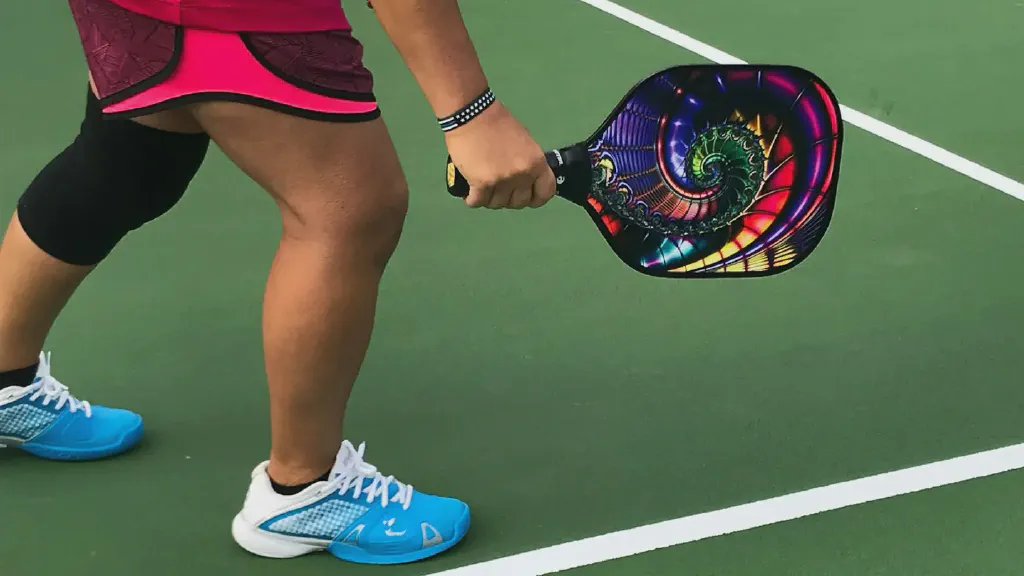
If you are learning serves, returns and volleys, choose a widebody or forgiving standard paddle shape before an elongated one. A broader face generally gives you more usable hitting area and makes off-centre contact less punishing. An elongated paddle is not wrong for a beginner, especially if reach matters to you, but it usually asks for more accurate timing. The best choice is not the one with the most fashionable profile; it is the one that helps you make cleaner contact in the situations you face most often.
First, understand what paddle shape actually changes
Pickleball paddle shapes are constrained by equipment rules, so the differences can look subtle. On court, though, moving a little width or length changes where the paddle feels easiest to use.
A wider face tends to spread the effective hitting area farther across the paddle. A longer, narrower face puts more paddle farther from your hand. That can create extra reach and swing leverage, but can also make the paddle feel less nimble in rapid exchanges.
Do not treat shape as a complete specification. Two paddles with similar outlines can feel very different because of their weight, balance, core thickness, face material, handle length and grip circumference. A light elongated paddle may be easier to move than a head-heavy widebody, for example. Still, shape is a sensible first filter because it points you toward a particular on-court priority.
Widebody: the forgiving option
A widebody paddle is designed around face width. It is often a little shorter than an elongated model so it can remain within legal overall dimensions. Its main appeal is straightforward: there is more room from side to side when the ball does not meet the middle of the face.
For new players, that extra margin can be valuable. Early in the learning process, contact moves around the face. You may catch a return near the edge, block a fast volley while late, or reach for a dink without setting your feet perfectly. A wider paddle cannot correct poor positioning, but it can make these imperfect contacts feel more manageable.
Widebody shapes also commonly suit players who spend much of their time in doubles at the kitchen line. In fast exchanges, you are often blocking, resetting or countering with compact movements rather than taking a full swing. A broader, usually more manoeuvrable profile can inspire confidence when the ball arrives quickly.
The trade-off is reach. You may need an extra step for a ball that an elongated paddle could touch with a stretched arm. Players who rely on long drives or frequently find themselves just short of wide balls may eventually value a longer shape more.
Choose widebody if you want:
- The most forgiving starting point for inconsistent contact.
- A comfortable option for blocks, resets and reaction volleys.
- A paddle that feels quick during close-range doubles exchanges.
- Help keeping rallies alive while your technique develops.
Standard: the balanced all-court choice
A standard pickleball paddle is the familiar, broadly rectangular silhouette that many recreational players recognise. Depending on the brand, “standard” may overlap with “widebody”; labels are not used consistently. In general, expect a balanced profile rather than an especially broad or notably long one.
This shape works well for players who want to learn every part of the game without strongly favouring reach, power or maximum forgiveness. It generally offers a generous central sweet spot, sensible manoeuvrability and enough length for everyday serves, returns and volleys.
For a player still deciding whether they prefer steady dinking, aggressive drives, doubles or occasional singles, standard is often the least complicated choice. It gives you a reliable baseline. Once you know what you are missing in points, you can decide whether a future paddle should be wider, longer, lighter, more head-heavy or something else.
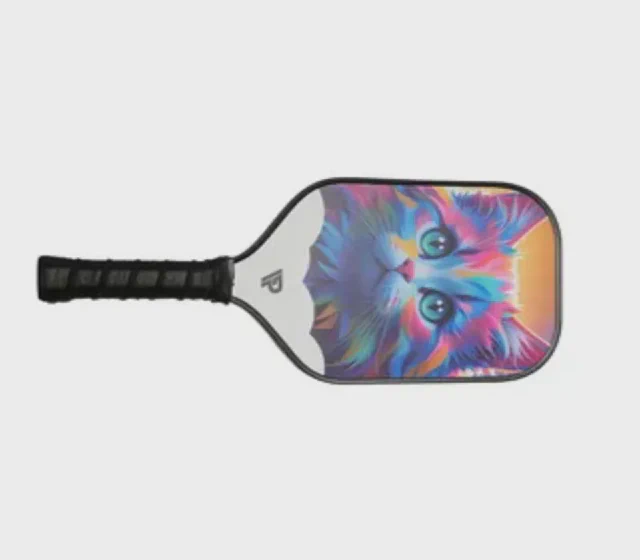
Standard Carbon Fiber Paddle Sport Pickleball Paddle Sr-LG01
- MIC category
- Pickleball Equipment
The Standard Carbon Fiber Paddle Sport Pickleball Paddle Sr-LG01 is listed by Yiwu Leadnew Tech Company in Made-in-China’s Pickleball Equipment category. The product title uses the word “Standard”, which may make it a useful listing to investigate for an all-round paddle format. Still, product naming is not a substitute for measurements: verify the actual face width and length, along with weight and grip details, before deciding whether it offers the forgiving feel you want.
Best for Newer players looking to compare a standard-labelled option with a clear set of requested dimensions.
- Product title identifies it as a standard carbon-fibre paddle
- Listed by Yiwu Leadnew Tech Company
- Listed in the Pickleball Equipment category
Confirm before inquiry: The approved listing details do not provide dimensions, price, grip size or weight. Confirm these directly with the supplier before purchase.
The Standard Carbon Fiber Paddle Sport Pickleball Paddle Sr-LG01 is a standard-labelled listing, but its approved listing details do not state its dimensions. That distinction matters. Before treating any standard-labelled paddle as a balanced beginner option, ask for the total length, face width, weight, handle length and grip circumference. Those details will tell you much more about how it may handle than the title alone.
Choose standard if you want:
- An uncomplicated all-round shape for learning the game.
- A practical balance of reach, control and forgiveness.
- A versatile option for both baseline shots and net play.
- A familiar profile that does not push you strongly toward one playing style.
Elongated: more reach, with a narrower target
An elongated paddle gains length by giving up some width. It can help you reach balls farther from your body, cover a little more court on volleys and create additional leverage on full swings. Those qualities appeal to singles players, players with tennis backgrounds and anyone who wants more depth on serves and drives.
At the net, the reach is real. A longer paddle can help you get a face on a wide ball without taking an extra step. On overheads and groundstrokes, the longer profile may also feel helpful when you want to accelerate through the ball.
But the narrower face usually makes this shape more demanding. Mishits toward the sides are less forgiving, and the added length can shift more mass away from the hand. That may make lightning-fast hand exchanges feel slower, particularly if the paddle also has a high swing weight. For a beginner, this can show up as late blocks, more edge contact or a tendency to pop the ball up under pressure.
That does not mean elongated paddles are reserved only for advanced players. A beginner who is tall, plays more singles, values reach, or already strikes the ball consistently may enjoy one. The important point is to recognise the exchange: you are choosing extra coverage and leverage over maximum width and easy manoeuvrability.
Choose elongated if you want:
- More reach on wide volleys, lobs and passing shots.
- A longer lever for serves, drives and overheads.
- A shape that may suit a two-handed backhand or a tennis-style swing.
- An option to consider once clean contact is becoming routine.
A note on hybrid shapes
Many current paddles sit between standard and elongated. These are often called hybrid shapes. They aim to provide some of the reach of an elongated paddle without becoming as narrow, or to retain much of a standard paddle’s forgiveness while adding a little length.
For some beginners, a hybrid is an excellent compromise. It can be particularly useful if a full widebody feels short on serves but a long, narrow paddle feels difficult in kitchen exchanges. As always, compare actual dimensions rather than assuming every hybrid has the same proportions.
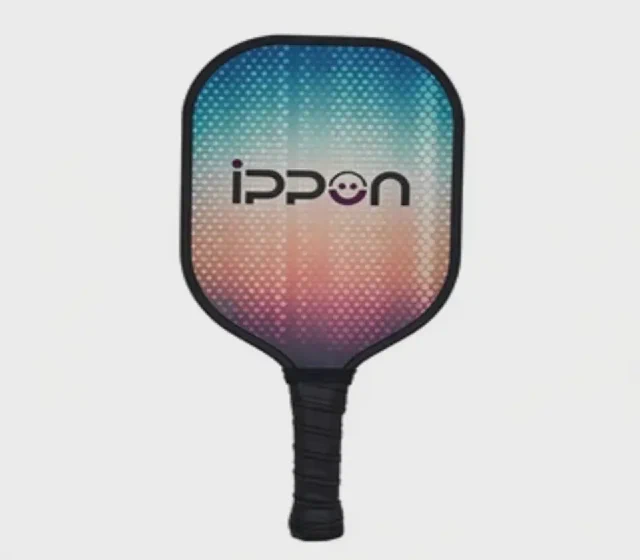
High-Quality Carbon Surface Pickleball Paddle for Competitive Play
- MIC category
- Pickleball Equipment
The High-Quality Carbon Surface Pickleball Paddle for Competitive Play is listed by Shenyang Dawn Star Import and Export Trading ... in the Pickleball Equipment category. Carbon surface material may be a useful comparison point, but surface material does not reveal the paddle’s shape or how forgiving it will feel. Request dimensions and balance information to establish whether the face is widebody, standard, hybrid or elongated.
Best for Players who are comparing surface materials but still need to verify shape and handling specifications.
- Listing title identifies a carbon surface
- Listed in Made-in-China’s Pickleball Equipment category
- No displayed price is provided in the approved listing details
Confirm before inquiry: Do not infer reach, sweet-spot size or power from the material named in the listing. Ask the supplier for measurable paddle specifications.
The High-Quality Carbon Surface Pickleball Paddle for Competitive Play is listed with a carbon surface, but the approved supplier details do not identify its shape, measurements or weight. Carbon surface material alone cannot tell you whether the paddle will be forgiving at the kitchen or long enough for your preferred reach. Use it as a prompt to request a full specification sheet rather than as a shortcut to a shape decision.
Make the decision from your most common miss
A useful way to choose is to look at how you lose points rather than how you hope to play someday.
If you frequently catch the ball near the side of the face, struggle to block hard shots cleanly, or feel rushed at the kitchen, start with widebody or standard. If you make solid contact but cannot quite reach sharp angles, want more depth on serves, or play plenty of singles, an elongated or hybrid profile may be worth trying.
When possible, hold paddles before committing. Make a few compact volley motions, then mimic a serve and a return. Notice whether the head feels easy to stop and change direction. A shape that looks ideal online may not suit your hand, grip or preferred swing.
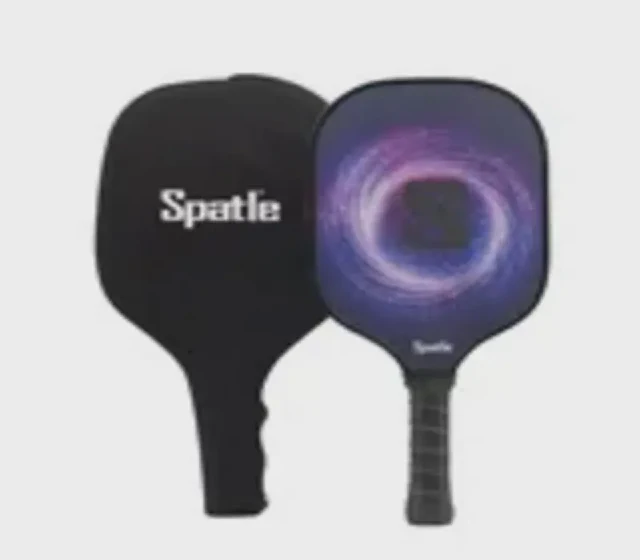
Factory Thermoformed Pickleball Paddle with Neoprene Paddle Cover
- Displayed price
- US$ 8.5-20 / Piece
- MIC category
- Pickleball Equipment
The Factory Thermoformed Pickleball Paddle with Neoprene Paddle Cover is listed by TIANCHANG ZHENGMU TECHNOLOGY CO., LTD. in Made-in-China’s Pickleball Equipment category. Its listing title identifies thermoformed construction and includes a neoprene cover, while the displayed price is US$ 8.5-20 per piece. Shape, dimensions, weight and grip specifications are not supplied in the approved listing details, so confirm those before using it to target a widebody, standard or elongated preference.
Best for Buyers who want to ask a supplier for a complete specification sheet before choosing a paddle shape.
- Listed with a neoprene paddle cover
- Listing title identifies thermoformed construction
- Displayed price: US$ 8.5-20 per piece
Confirm before inquiry: Supplier-listing information only. Confirm face width, overall length, grip circumference, weight and balance directly with the supplier.
The Factory Thermoformed Pickleball Paddle with Neoprene Paddle Cover is listed by TIANCHANG ZHENGMU TECHNOLOGY CO., LTD. with a displayed price of US$ 8.5-20 per piece. The listing title identifies thermoformed construction and a neoprene cover, but not the face dimensions or shape. If you are considering it, ask whether it is widebody, standard, hybrid or elongated, and request the exact measurements before comparing it with other options.
Check these details before you buy
Shape should guide your search, then the finer details should decide it. Ask a retailer or supplier for the following information:
- Overall paddle length and maximum face width.
- Paddle weight and, if available, balance or swing weight.
- Handle length, especially if you use a two-handed backhand.
- Grip circumference, since a grip that feels too large can make control harder.
- Core thickness and face material, which can influence feel, power and feedback.
- Whether a cover is included and how the paddle should be stored.
Store a paddle somewhere dry and out of prolonged extreme heat. A cover can help protect the face from scuffs during transport, but avoid leaving any paddle in a hot car for long periods. Keep the grip dry, replace worn overgrips when needed, and inspect the edge guard and face for damage.
For most ordinary adults starting out, the sensible answer is simple: begin with a widebody or standard shape that lets you enjoy longer rallies and build confidence at the net. Move toward elongated only when its extra reach and leverage solve a problem you genuinely have—not simply because it looks more advanced.
FAQ
Which pickleball paddle shape is easiest for a beginner?
Most beginners will find a widebody or traditional standard-shaped paddle easiest to manage. Their wider faces generally provide a more forgiving contact area, which can help when learning to serve, return, block and volley consistently.
Are widebody and standard pickleball paddles the same thing?
The terms can overlap. Many brands use standard shape for the familiar, roughly 16-inch-long paddle with a broad face, while widebody can describe an especially wide version of that profile. Check the listed width and length rather than relying only on the label.
Do elongated pickleball paddles give you more power?
They can provide extra swing leverage because more of the paddle length sits away from the hand. That may help with serves, drives and overheads, but power also depends heavily on the paddle’s construction, weight, swing weight and the player’s technique.
Is an elongated paddle bad for doubles?
No. An elongated paddle can be useful in doubles for reaching wide balls and covering the kitchen line. However, some players find a wider, more manoeuvrable shape easier during quick blocks, counters and hand battles.
How should I compare paddles when the supplier listing does not state the shape?
Ask for the exact overall length, face width, handle length, weight and balance or swing-weight information. A product title or photo alone is not enough to confirm whether a paddle suits your preferred shape and feel.