Upright vs Recumbent vs Folding Exercise Bikes for Beginners: Which Fits Your Home?
Choose the best exercise bike for beginners at home by comparing upright, recumbent and folding designs for comfort, floor space, storage and confidence.

If comfort and easy access are your biggest concerns, choose a recumbent bike. If you have a small dedicated corner and enjoy a more familiar cycling position, choose an upright bike. If your living room, bedroom or shared space must return to normal after each session, a folding bike is usually the most realistic option. For the best exercise bike for beginners at home, the deciding factor is not which style looks most serious; it is which one you can mount safely, adjust properly and use often.
All three formats can provide low-impact indoor cardio. The meaningful differences are where your body sits, how much room the machine claims, how easy it is to put away and whether the setup makes a first-time rider feel secure rather than intimidated.
The quick choice: start with your biggest constraint
Use this simple filter before comparing screens, programmes or flywheel claims.
- Choose recumbent when you want a chair-like seat, back support, pedals in front of you and a low step-through entry. It is often the easiest format for easing into longer, steady rides.
- Choose upright when you are comfortable sitting on a conventional bike-style saddle and have space to keep the machine out. It usually takes less front-to-back room than a recumbent.
- Choose folding when storage is non-negotiable. It can be the difference between owning a bike you use and owning equipment that becomes an obstacle in the room.
That answer may sound straightforward, but there are compromises. A recumbent’s supportive design normally demands more floor depth. An upright bike can be compact yet put more of your body weight through a narrower saddle and your hands. A folding bike saves space after a ride, but may offer fewer adjustments and feel less planted than a heavier fixed-frame machine.
Upright bikes: the familiar, space-efficient fixed option
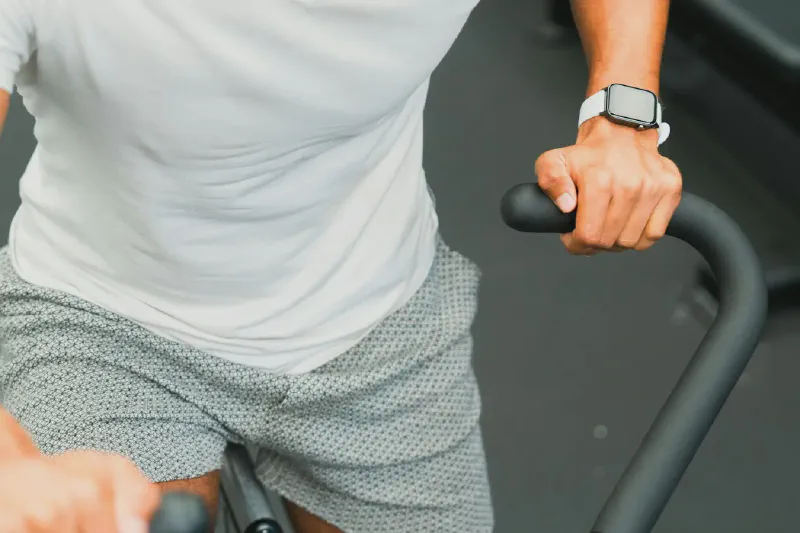
An upright exercise bike places you above the pedals in a posture closer to an ordinary bicycle. Some models are gentle, basic home bikes with a relaxed handlebar position; others are spin-style machines that encourage a greater forward lean and a more athletic ride.
For many beginners, the appeal is familiarity. If you already feel at ease on a bicycle, an upright can feel intuitive. It also tends to have a shorter front-to-back footprint than a recumbent bike. That makes it a strong option for a spare-room corner, a home office or a small gym area where the bike can stay assembled.
The trade-off is comfort management. A typical upright saddle is smaller than a recumbent seat, and a forward position can become tiring if the saddle is too high, too low or too far from the handlebars. Look for meaningful seat-height adjustment at minimum; handlebar adjustment can be useful too. Your knees should not feel cramped at the top of the pedal stroke, and you should not have to reach or round your shoulders to hold the bars.
An upright bike is not automatically harsh. It remains low impact because your feet stay on the pedals rather than repeatedly striking the floor. But it may not be the most reassuring first choice for someone with balance concerns, difficulty stepping over a frame or a history of discomfort in the back, wrists or saddle area.
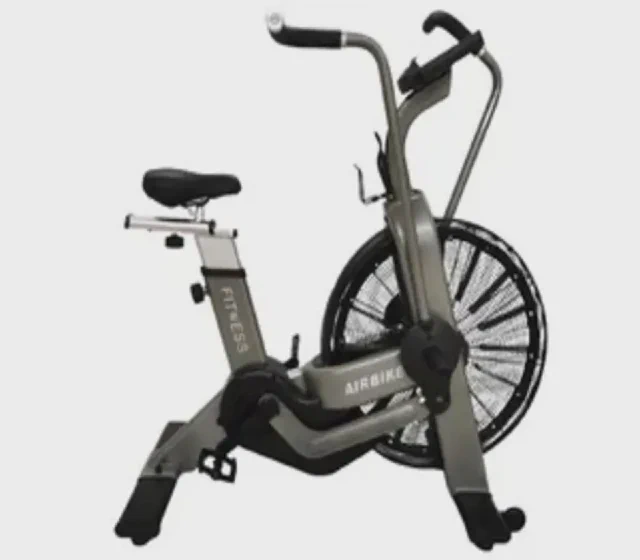
New Design Cardio Fitness Equipment Wind Resistance Spinning Air Exercise Bike
- MIC category
- Exercise Bike
This supplier-listed wind-resistance exercise bike represents the more performance-oriented end of the upright category. Air bikes can make an engaging choice for a beginner who enjoys short intervals and does not need a compact folding frame. Because resistance typically responds to pedalling effort on this format, the experience may feel more challenging than a basic magnetic-resistance bike.
Best for A beginner with a dedicated workout spot who prefers a sturdy-looking upright format and wants room to progress into harder sessions.
- Listed as a wind-resistance spinning air exercise bike
- Upright riding format
- May suit interval-based indoor cardio
Confirm before inquiry: The supplier listing supplied does not state dimensions, resistance range, adjustability, weight capacity or price. Confirm these details, along with noise expectations and assembly requirements, directly before purchase.
The supplier listing above is for a wind-resistance air exercise bike, a more energetic upright-style format. Air resistance can be useful for riders who want intensity to rise naturally as they pedal harder. For a true beginner, however, the sensible question is whether this kind of bike matches the intended routine. If your plan is ten calm minutes while watching television, a highly athletic-looking air bike may be more machine than you need. If short bursts motivate you, it may be worth closer investigation after confirming its dimensions, noise level and adjustment range.
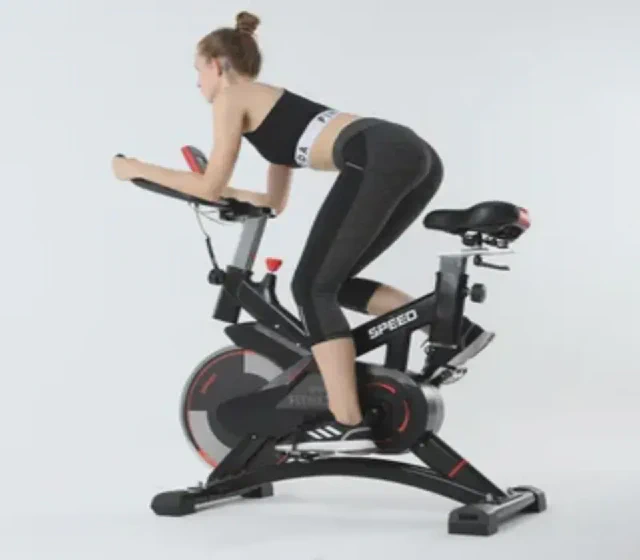
Wholesale Market Indoor Exercise Bicycle Home Gym Fitness Equipment Fitness Spin Bike 6kg Flywheel Spinning Bike Aqua Bike
- MIC category
- Exercise Bike
This supplier-listed indoor spinning bike is an example of a conventional upright format: compact in profile compared with most recumbents, but intended to remain assembled rather than disappear into a cupboard. Its listing names a 6 kg flywheel, which may appeal to shoppers comparing entry-level spin-bike options, although flywheel weight alone does not establish ride quality or suitability.
Best for A beginner who has permanent floor space, is comfortable with a forward-leaning cycling position and wants a familiar upright-bike feel.
- Listed as a home-gym fitness spinning bike
- Listing names a 6 kg flywheel
- Upright format generally needs less floor depth than a recumbent
Confirm before inquiry: The listing does not provide a displayed price, dimensions, seat-adjustment range or maximum user weight in the supplied information. Check fit, resistance type, pedal design and stability before deciding.
This supplier-listed spin-bike option names a 6 kg flywheel. That is one specification to compare, not a complete verdict on the bike. A beginner should give equal or greater importance to seat range, pedal security, stability, resistance control and whether the handlebar position allows a relaxed start. A bike that technically fits the room but leaves you dreading the saddle will not solve the home-cardio problem.
Recumbent bikes: the comfort-first choice
A recumbent bike has a larger seat with a backrest and places the pedals forward of the rider. You sit down rather than perch over the frame, which can make the bike feel more approachable on day one. The low step-through design common to this category can also simplify getting on and off.
This format is often the clearest answer for a beginner who prioritises comfort, stability and steady-paced cardio. The backrest supports a reclined position, while the wider seat can be less confronting than an upright saddle. You may find it easier to settle into a 15- or 20-minute ride because the task feels closer to sitting in a chair and pedalling than balancing over a bicycle.
The major limitation is space. Recumbents are usually longer because the seat sits behind the pedal assembly. Do not assume that a low profile means a small footprint. Measure the full assembled length and width, plus clearance to enter, leave and move around the machine. A bike squeezed between furniture can be awkward to use even when the published dimensions technically fit.
Recumbents can be an especially sensible direction if mounting confidence is your main barrier. They are not only for older riders or rehabilitation settings. They are for anyone who prefers support. Still, do not confuse comfort with a reason to ignore fit: adjust the seat distance so your knee keeps a slight bend when the pedal is furthest away, and begin with manageable resistance.
Folding bikes: the home-friendly compromise
A folding exercise bike typically uses a hinged X-frame or similar compact structure. It opens for riding, then folds down for storage in a cupboard, against a wall or in a less visible corner. This is a practical benefit, not a minor feature, when every square metre has another job.
The best folding bike for a beginner is one that reduces friction. If it can be moved and stored without a complicated routine, you may be more likely to ride it. But judge it while it is open, not only when it is folded. You still need sufficient room for your knees, elbows, pedals and safe dismounting. Transport wheels may help, although wheels do not make a heavy or awkward object effortless to move across stairs, thick carpet or tight turns.
Many folding bikes use a more relaxed upright or semi-recumbent position, sometimes with a small backrest. That can be appealing, but specifications vary widely. Check whether the seat height accommodates your leg length, whether the backrest is truly supportive and whether the frame lock is secure. Lower cost and smaller size can come with a narrower adjustment range, a lower maximum user weight or more noticeable movement during hard pedalling.
A folding bike makes most sense when you will actually fold it. If you have a permanent workout space, a fixed upright may offer a more solid feel and broader adjustment. If your only realistic exercise spot is beside the sofa, folding convenience may outweigh those advantages.
Measure the route, not just the room
Before choosing any format, take five measurements: the clear floor area, the doorway width, the route around corners, ceiling height if standing riding is possible, and the storage location. Then compare them with the manufacturer’s assembled dimensions and folded dimensions where relevant.
As a broad guide, uprights generally occupy less front-to-back space than recumbents. Folding models may store in a smaller footprint, but their in-use footprint is what determines whether you can ride comfortably. Leave room around the bike rather than positioning it so tightly that you have to twist around furniture to get off.
A level floor matters as much as an empty patch of floor. Use the bike’s levelling feet if supplied. A suitable non-slip equipment mat can protect hard flooring, reduce minor vibration and help prevent slipping, but it cannot correct a poorly assembled bike or an unstable frame. Recheck bolts and adjustment knobs after assembly according to the manufacturer instructions.
Beginner confidence matters more than maximum intensity
The most useful first sessions are often modest: five to ten easy minutes, a pace at which you can speak in full sentences, then a gradual increase as your comfort improves. This approach gives you time to notice saddle pressure, knee tracking, handlebar reach and how the bike behaves under pedalling.
Avoid buying on the promise of calorie burn alone. A quieter magnetic-resistance model may suit an apartment better than a noisier alternative. A recumbent may encourage more consistent use than an upright that aggravates your back. A folding bike may be the winner simply because it can be stored without turning daily life into a rearranging project.
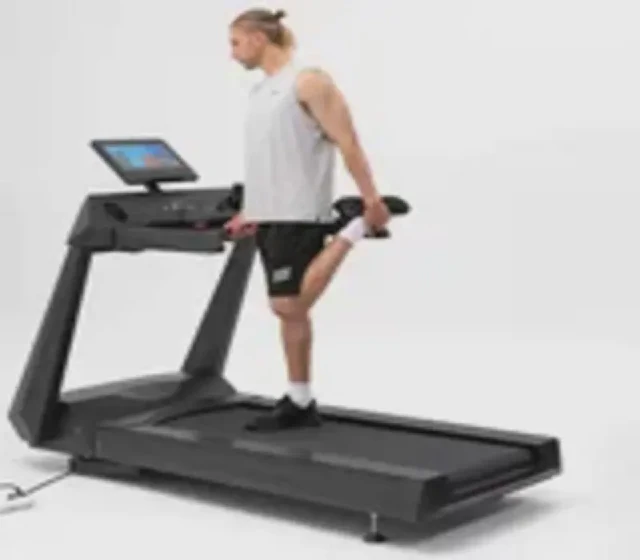
AC Motor Exercise Incline Motorized Sport Running Fitness Gym Treadmill Machine
- Displayed price
- US$ 930-950 / Piece
- MIC category
- Exercise Bike
Although this item appears in the supplied Exercise Bike category inventory, its product title identifies it as a motorised incline treadmill rather than a bicycle. It should not be used as a like-for-like alternative when choosing between upright, recumbent and folding bikes. It is included here only to clarify the mismatch in the supplied category listing.
Best for Not applicable to shoppers seeking a stationary exercise bike.
- Product title identifies a motorised incline treadmill
- Supplier: All Universe Fitness Technology (Qingdao) Co., Ltd.
- Displayed price: US$ 930-950 / Piece
Confirm before inquiry: A treadmill involves a different movement pattern, footprint and impact profile from a stationary bike. Verify the product category and full specifications before making any purchase decision.
One important catalogue check: the product above is titled as a motorised incline treadmill, despite appearing in the supplied Exercise Bike category inventory. It is not an upright, recumbent or folding bike comparison option. Its inclusion is a reminder to read the full product title and specifications rather than relying on a category label alone.
The practical verdict
Pick a recumbent bike if you need the most supportive and accessible ride and can accommodate its longer footprint. Pick an upright bike if you want a conventional cycling feel, have a permanent place for it and are prepared to dial in the saddle and handlebar fit. Pick a folding bike if limited space is the obstacle most likely to stop you exercising.
If you have ongoing pain, reduced mobility, a medical condition or uncertainty about starting activity, seek advice from an appropriate healthcare professional. Stop exercising if you experience chest pain, dizziness, severe shortness of breath or sharp pain. The right home bike should make low-impact cardio feel sustainable, not something you have to push through.
This article offers general information, not medical advice. Adjust activity to your experience and seek qualified guidance when needed.
FAQ
Which is the best exercise bike for beginners at home?
There is no single best type for every beginner. A recumbent bike is often the most confidence-building choice for riders who want back support and simple mounting. An upright bike suits people comfortable with a conventional bicycle position and able to leave it in place. A folding bike is the practical answer when the room must serve other purposes.
Are recumbent bikes better for bad knees?
Both upright and recumbent stationary bikes are generally considered low-impact forms of cardio because they avoid repeated landing forces. A recumbent bike's supported seat and reclined position may feel more comfortable for some people, but comfort is individual. If you have knee pain, a recent injury, joint condition or medical concern, speak with a qualified clinician before starting or changing exercise.
Do folding exercise bikes feel less stable?
They can, particularly lighter models or bikes used on uneven flooring. Folding frames are designed around storage convenience, so it is worth checking the user-weight limit, frame locking mechanism, adjustable feet and whether the bike rocks when pedalling. A level surface and suitable equipment mat can improve stability.
How much room do I need for an exercise bike?
Check the manufacturer's assembled length and width, then add practical clearance for mounting, dismounting and moving around the bike. Upright bikes commonly use less front-to-back space than recumbents, while folding bikes need room when open even if they store compactly. Also measure doorways, turns and the storage location before ordering.
Can a beginner use a spinning or air bike?
Yes, but these upright-style bikes can feel more demanding than a relaxed recumbent or basic folding bike. Air resistance rises as you pedal harder, and spin-style saddles may be less forgiving during early sessions. Start with short, easy rides and prioritise a secure fit over intensity.