Upright vs Recumbent vs Foldable Exercise Bikes for Small Homes
Choose the best exercise bike for small spaces by comparing upright, recumbent and foldable designs for floor area, comfort, access, noise and everyday storage.

If you want the best exercise bike for small spaces, start with your room routine rather than the bike’s feature list. Choose a compact upright bike when you have a permanent corner and want a conventional cycling position. Choose a foldable bike when the same floor must work as a bedroom, lounge or home office. Choose a recumbent bike when easy access and seat support matter most, and you can give it more dedicated floor depth.
For a beginner, the right answer is rarely the model with the heaviest flywheel, the largest screen or the longest list of programmes. It is the bike you can get onto comfortably, pedal without feeling cramped and leave out—or put away—without resentment.
First, measure the room as you actually use it
A bike’s quoted footprint, where available, is only the rectangle touching the floor. Your usable footprint is bigger. You need an approach path, room for knees and elbows, space to swing a leg over the frame or step through it, and enough clearance to dismount without colliding with a bed, desk or sofa.
Mark out a likely bike position with tape, a yoga mat or flattened cardboard. Sit on a chair in that spot and mimic getting on and off. Open nearby drawers and doors. Notice whether the bike would block a radiator, a wardrobe, a plug socket or the route through the room. This modest planning step prevents the common small-home problem: a machine technically fits but makes the room unpleasant to live in.
Also think about storage as a repeated action. A foldable bike that must be carried down stairs after every ride may see less use than a fixed upright bike tucked neatly beside a wall. Conversely, a permanent bike in the middle of a studio flat can become an obstacle that discourages both exercise and daily living.
Compact upright bikes: the most bike-like use of a small corner
An upright exercise bike places you over the pedals in a familiar seated cycling position. In broad terms, it is the most efficient choice for a dedicated nook because its frame tends to use less front-to-back room than a recumbent. It is also usually the quickest format to approach, adjust and start using: sit down, set your feet and pedal.
The compromise is comfort. A narrow upright saddle can feel firm, particularly if you are returning to activity or only expect to ride in everyday clothes. Handlebar reach matters too. If the bars sit too low or too far away for your proportions, you may find yourself leaning heavily through your hands or rounding your back. A bike can be compact without being a good fit.
Before choosing an upright model, check the stated user-height guidance and the range of saddle adjustment. Ideally, the seat should allow a gentle bend in the knee at the bottom of the pedal stroke rather than forcing your leg fully straight or sharply bent. If a household has more than one rider, look for adjustments that are simple enough to repeat rather than a fiddly job requiring tools.
Uprights suit people who want a regular, no-fuss indoor ride and can keep the bike in place. Put one on a level surface, avoid crowding the rear of the frame against a wall, and consider a mat to protect the floor and help limit vibration. Do not assume a compact base means it is easy to lift; stable bikes can still be substantial.
Foldable bikes: best when storage is part of the workout plan
A foldable exercise bike earns its place when floor space has competing demands. It may let you train in a living room, then fold the frame and return the room to normal use. This is often more valuable than shaving a few centimetres from an upright bike’s active footprint.
But folding introduces two practical questions: how manageable is the transition, and where does the bike go afterwards? Some designs fold inward but remain tall, wide or heavy. Others may need to be tilted or rolled. Measure the storage alcove, not just the riding location, and account for cupboard doors, skirting boards and tight turns. If the stored bike is likely to live in plain sight, make sure its parked position is genuinely workable.
The riding posture on many foldable designs can be more relaxed than on a traditional upright, though this varies. Some use a low step-through arrangement that can feel friendlier for beginners; some provide a small backrest. That can be welcome, but it does not replace checking saddle height, frame stability and handlebar reach.
A folding joint is also a reason to be methodical. Before every ride, make sure the frame is fully opened, locking parts are engaged and the bike is on an even surface. Never treat a foldable frame as less deserving of a stable setup simply because it is designed for convenience.
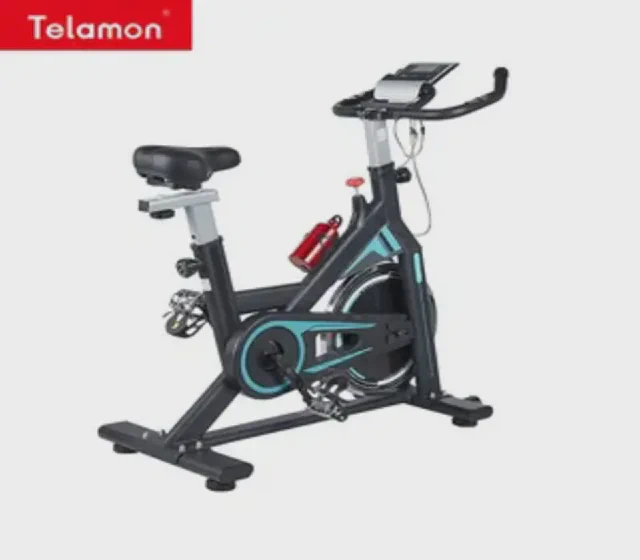
China Indoor Professional Commercial Smart Stationary Foldable Quiet Spinning Bike
- MIC category
- Exercise Bike
This is the directly relevant option in the approved listings for readers considering a foldable bike. The supplier listing describes it as an indoor, stationary, foldable and quiet spinning bike. Those are useful starting points for a small-home shopper, but confirm folded dimensions, bike weight, adjustment range and resistance details with the supplier before treating it as a storage solution.
Best for People who need to reclaim floor space after riding and are comfortable setting up the bike for each session.
- Supplier listing describes the bike as foldable
- Listed as an indoor stationary spinning bike
- The listing also uses the term quiet
Confirm before inquiry: The approved listing does not provide displayed dimensions, price or MOQ in the supplied product facts. “Foldable” does not automatically mean light or easy to move.
The approved supplier listing for this model calls it the “China Indoor Professional Commercial Smart Stationary Foldable Quiet Spinning Bike.” The relevant word for small homes is foldable, while “quiet” is a supplier-listing description rather than a guarantee of how it will sound in your flat. Ask for folded and open dimensions, product weight, transport-wheel details, seat and handlebar adjustment ranges, and the exact locking method before making a layout decision.
Recumbent bikes: comfort and confidence, with a larger footprint
A recumbent bike uses a chair-like seat with a backrest and places the pedals in front of the rider. For many beginners, that arrangement feels immediately less daunting. Getting on can involve less balancing and less swinging a leg over a high frame. The back support and wider seat may also make longer, easy-paced sessions feel more approachable.
The trade-off is size. Recumbents typically extend farther into a room than upright or foldable bikes because the seat sits behind the pedal assembly. Their low, long shape can be difficult to hide beside furniture, and they are seldom the easiest machines to move regularly. In a narrow bedroom, the bike may fit on paper but leave no comfortable walkway.
Choose recumbent over upright when your first priority is a supported seating position and straightforward mounting, not compact storage. It can be a sensible way to establish a consistent routine at a modest pace. Still, assess the seat carefully. A broad seat is not automatically comfortable if the leg reach is wrong, the back angle cannot suit you or the bike is difficult to reposition.
If you have joint pain, balance concerns, a cardiovascular condition, are recovering from injury or have been advised to modify exercise, speak with an appropriate healthcare professional before starting or changing a training routine. Begin with an easy resistance and a duration that feels manageable; discomfort, dizziness, chest pain or unusual breathlessness are reasons to stop and seek advice.
Noise: focus on vibration as well as the mechanism
For apartment dwellers, “quiet” is an outcome influenced by more than the bike. Smooth pedalling and a well-maintained resistance system can help, but a bike can still transmit thumps through an uneven floor. Hard pedalling, rocking frames, loose stabilisers and poorly seated pedals may be more noticeable to neighbours than the basic whir of the drivetrain.
Set the bike on a flat, firm surface. Check that every foot contacts the floor and tighten parts according to the manufacturer’s instructions. A dense exercise mat can protect flooring and reduce some vibration, but it cannot make an unstable setup safe or silent. If you ride early or late, build your routine around steady seated work rather than sprint-like efforts.
A quick format match
Choose a compact upright if you have a permanent corner, prefer a conventional cycling posture and want the least setup between deciding to ride and starting.
Choose a foldable bike if reclaiming the room matters as much as exercising, you have a realistic storage destination and unfolding it will not become a barrier to use.
Choose a recumbent bike if seat support, low-stress mounting and a more settled riding position will give you the confidence to train consistently—and you have room for its longer frame.
The supplied category inventory also contains two items that are not exercise bikes. They should not be used as substitutes in this comparison simply because they appeared in an Exercise Bike category listing.
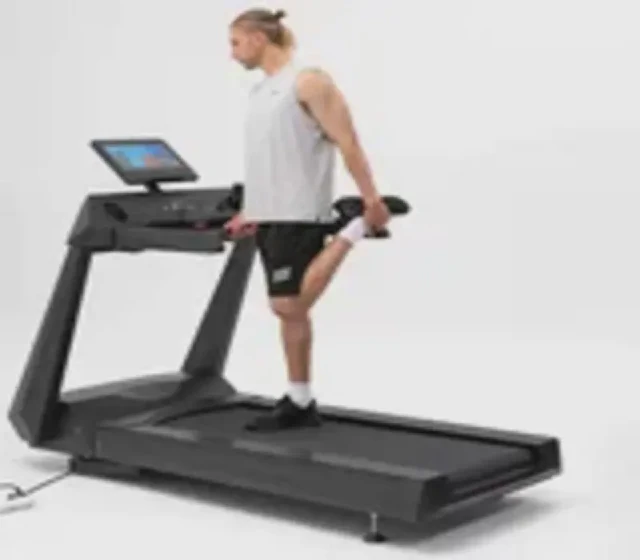
AC Motor Exercise Incline Motorized Sport Running Fitness Gym Treadmill Machine
- Displayed price
- US$ 930-950 / Piece
- MIC category
- Exercise Bike
Although this item appears in the supplied Exercise Bike category inventory, its supplier-listing name identifies it as an AC-motor incline motorised treadmill. It is not a like-for-like choice for an upright, recumbent or foldable bike comparison. Its presence is a reminder to verify the actual product format before requesting a quote or planning a room layout.
Best for Not applicable to a buyer specifically seeking an exercise bike.
- Supplier listing identifies it as a motorised incline treadmill
- Displayed price is US$ 930-950 per piece
- Listed by All Universe Fitness Technology (Qingdao) Co., Ltd.
Confirm before inquiry: The displayed price and product type are supplier-listing facts, not an editorial recommendation or a comparison price for exercise bikes.
This supplier listing is for an AC-motor incline motorised treadmill, not a bike. It has a displayed supplier-listing price of US$ 930-950 per piece, but it answers a different home-fitness question and needs a different safety and space assessment.
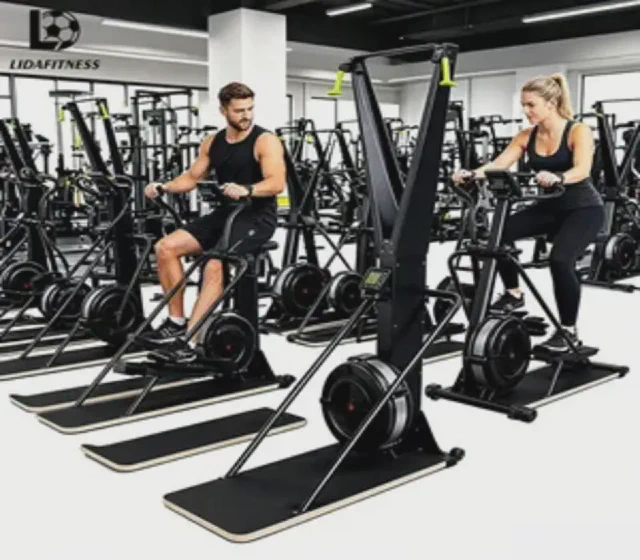
This approved listing is titled as a high-performance multi-functional ski erg, which is a standing pull-based training machine rather than a cycling format. It cannot answer the seated comfort, mounting or pedalling questions that separate upright, recumbent and foldable bikes. It may suit a different compact-fitness plan, but it should not be substituted for a bike without considering its distinct movement pattern and installation needs.
Best for Not applicable to a reader deciding between exercise bike styles.
- Supplier listing identifies the item as a ski erg
- Listed by Qingdao Lida Fitness Co., Ltd.
- Requires a different standing workout setup from a seated bike
Confirm before inquiry: No dimensions, price or performance specifications were included in the supplied listing facts, so do not assume its space requirements.
This listing is titled “High - Performance Multi - Functional Ski Erg.” A ski erg is a standing pulling machine rather than a seated pedalling option, so its presence in the available inventory does not change the upright-versus-recumbent-versus-foldable decision.
The decision that holds up after week two
The most suitable bike is the one whose compromises you can live with repeatedly. If storage is your everyday friction, prioritise folding and handling. If getting seated comfortably is the hurdle, prioritise access and support. If you want a familiar cycling feel in a fixed nook, prioritise upright fit and stable adjustment.
Measure the route, the riding area and the storage position. Then choose the format that makes a short, ordinary ride easy to begin. That is a more useful standard for a small home than chasing advanced specifications you may never use.
This article offers general information, not medical advice. Adjust activity to your experience and seek qualified guidance when needed.
FAQ
Which is the best exercise bike for small spaces?
For a room that must remain flexible, a foldable exercise bike is usually the strongest fit. For a dedicated corner, a compact upright bike often feels steadier and faster to use. A recumbent bike is best chosen for comfort and easy access rather than maximum space-saving.
Do foldable exercise bikes really save much space?
They can save useful floor area when parked, especially in a bedroom or living room, but they still need open space while you ride. Check where the folded bike will live and whether you can lift, roll or manoeuvre it there safely.
Are recumbent bikes good for beginners?
They can be. The chair-like seat, back support and lower step-over can make a recumbent bike feel less intimidating than an upright model. The trade-off is a longer frame and less convenient storage.
How much room should I leave around an exercise bike?
Leave enough room to mount and dismount without twisting around furniture, plus clearance for your knees, elbows and pedalling motion. A clear route to the bike is as important as the area immediately around it.
Will an exercise bike be quiet enough for an apartment?
Pedalling is commonly quieter than running indoors, but the overall sound depends on the resistance system, maintenance, floor surface and how hard you ride. A firm exercise mat can reduce vibration transferred into the floor, while loose parts and an uneven setup can add noise.