Upright, Recumbent or Folding Exercise Bike: Which Is Easiest for a Beginner to Start With?
A practical upright vs recumbent vs folding exercise bike comparison for beginners, covering comfort, access, stability, storage and gentle home workouts.

For the easiest, lowest-pressure start, choose a recumbent bike if comfort, back support and easy mounting are your priorities. Choose a folding exercise bike if your main challenge is finding somewhere to keep it. Choose a standard upright if you want the most familiar bike-like position and have room for a permanent setup. There is no universally best choice in the upright vs recumbent vs folding exercise bike decision. The right beginner bike is the one you can get on without fuss, pedal comfortably for 10 minutes and leave accessible enough to use again tomorrow.
That may sound less exciting than choosing by resistance levels or a large display, but it is how a home bike becomes a routine rather than an expensive clothes rack. Here is how the three formats differ where it counts for a new exerciser: seat position, steadiness, access, storage and the kind of early workouts they encourage.
At a glance: the beginner-friendly choice
- Choose recumbent for a broad seat, backrest, pedals in front and a more supported ride. It is commonly the friendliest format for people who feel unsteady getting on a typical bike, dislike saddle pressure or want to remain comfortably seated.
- Choose upright for a conventional cycling posture, a more compact length than most recumbents and scope to progress gradually. It asks more of your balance and tolerance for a smaller saddle, but many beginners find it intuitive.
- Choose folding for a small flat, shared room or an uncertain commitment to home exercise. Most are simplified upright bikes; they are convenient, often less expensive and designed for easy seated movement, but may not feel as solid as a full-size machine.
Recumbent: the least intimidating seated option
A recumbent exercise bike places you in a reclined or semi-reclined seat, normally with a backrest and pedals out in front. Instead of lowering yourself onto a narrow saddle and leaning forward to the handlebars, you sit into a chair-like position and begin pedalling.
For a nervous beginner, that changes the experience. The larger seat and back support can make it easier to settle in, while a low, step-through frame on many models can simplify getting on and off. You are not expected to stand on the pedals, balance over a saddle or hold a forward-leaning posture. The stable, contained feeling can be especially appealing if exercise has been uncomfortable in the past.
The trade-off is space. Recumbent bikes tend to be longer than upright models, so measure the room with the bike in use, not just the corner where you hope to park it. Leave clear space to approach the seat safely and avoid placing it where a door, drawer or walkway will be blocked. They can also be heavier to move, which makes them better for a semi-permanent spot than for a daily pack-away routine.
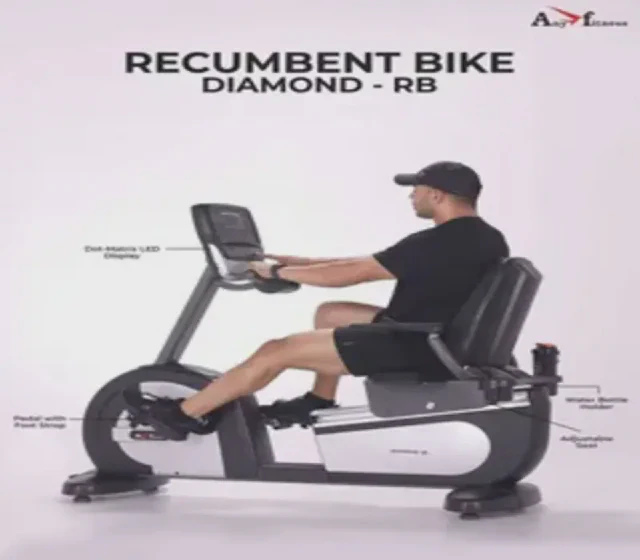
This supplier listing is a useful visual reference for the recumbent format: a lower, supported seating position with pedals placed ahead of the rider. That layout is worth considering when easy access and a more relaxed first ride matter more than a compact footprint.
Best for Beginners seeking a supported seated position and a low-pressure way to build a cycling habit at home.
- Recumbent-style riding position
- Back-supported seating format
- Listed in the Made-in-China Exercise Bike category
Confirm before inquiry: Product details on supplier listings should be confirmed directly before purchase, including dimensions, adjustment range, resistance type, user limits and after-sales arrangements.
A recumbent bike is not automatically effortless. Pedal distance, seat adjustment and resistance still need to suit your body. If your knees feel cramped at the nearest setting or you must reach for the pedals, stop and adjust rather than pedalling through discomfort. Start with a resistance level that feels smooth and controlled, not like a leg-strength test.
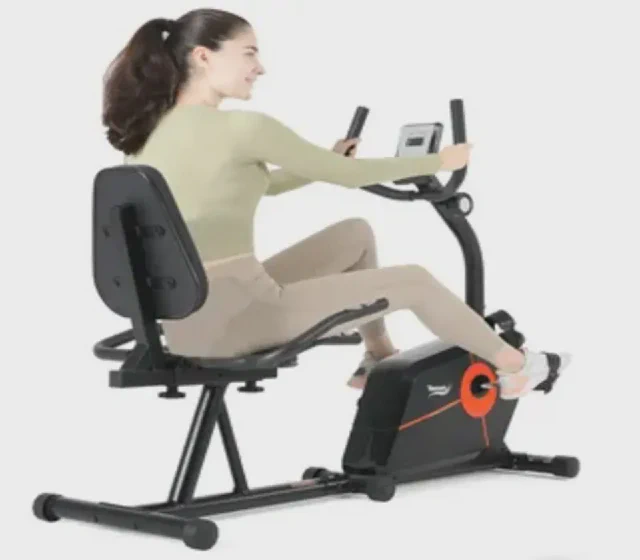
Ultimate Comfort Static Bicycle Recumbent Exercise Bike Indoor Scademia for Home Workouts
- MIC category
- Exercise Bike
A second recumbent-style option reinforces what this category is designed to offer: seated cycling with more back support than a conventional upright saddle. Compare the actual seat, step-through access, pedal reach and frame dimensions rather than relying on comfort language in a product title.
Best for Home riders who expect to keep sessions gentle, seated and steady.
- Recumbent home-workout format
- Designed around a seated cycling position
- Listed in the Made-in-China Exercise Bike category
Confirm before inquiry: “Comfort” is subjective. Ask for clear specification sheets and check whether the seat position and pedal distance suit your height and mobility needs.
Upright: familiar, versatile and more space-efficient
An upright exercise bike resembles a traditional bicycle more closely. You sit above the pedals on a saddle, with handlebars in front. Some home uprights position you relatively tall; others use a more forward, fitness-focused posture. For a beginner who already feels at home on an outdoor bike, this can be the most natural transition.
Compared with a recumbent, an upright often takes less floor length and can feel more responsive as you pedal. It can also offer more room to progress from gentle steady rides to slightly firmer resistance. That does not mean a new rider needs to chase intensity. The value is simply that the bike can grow with you if your confidence does.
Its limitation is the seat. Even a well-padded upright saddle concentrates more pressure in a smaller area than a recumbent chair-style seat. Beginners may also notice that their wrists, shoulders or lower back tire if handlebar and saddle positions are poorly adjusted. Set the saddle so your knee retains a slight bend at the bottom of the pedal stroke, then use handlebars that let you keep your shoulders relaxed rather than hunched.
Mount carefully: hold the handlebars, step through or over the frame as the design requires, and settle fully onto the seat before placing both feet in the pedals. A stable mat can protect flooring and help reduce vibration, but it should lie flat and not make the bike rock.
Folding: the best answer when storage decides everything
A folding bike is usually an upright-style machine built around a collapsible frame. Its biggest advantage is practical rather than physiological: it can be folded and stored in a cupboard, behind furniture or against a wall after use. That makes it a sensible answer for renters, small apartments and multi-use living rooms.
Many folding bikes have simple displays and modest resistance ranges. That is not necessarily a drawback for someone beginning with easy movement. A calm 15-minute ride needs neither a subscription screen nor race-level resistance. Their lighter construction can make them easier to reposition, and they are often positioned as lower-cost entry points.
But compactness comes with compromises. Folding frames may feel less planted than full-size upright or recumbent bikes, particularly if you pedal hard, shift around in the seat or try to stand. For that reason, treat a folding model as a seated cardio tool. Open and lock it fully every time, use it on level flooring, check that bolts and pins are secure, and follow the manufacturer's instructions for folding and moving it. Never assume that a bike is safe to lift by its console or moving parts.
What to compare before you choose
Ignore marketing labels for a moment and make a shortlist using these everyday questions:
- Can you mount it calmly? Practise the movement in your mind: where will you hold, step and sit? A low-access recumbent may win here.
- Will the seat make you want to stay on? A supportive recumbent seat favours comfort; an upright saddle suits people happy with a more traditional bike feel.
- Where will it live? Measure length, width and height, plus clearance. For a folding bike, measure the folded dimensions as well as the open footprint.
- How quiet is it? Magnetic resistance is commonly preferred for quieter home use. Check the drive and resistance details for the specific model instead of assuming every bike will be apartment-friendly.
- Does it fit you? Verify stated user-height guidance, weight capacity, seat adjustment, pedal straps and warranty terms directly with the seller.
- Can you use it safely without moving it first? The easier a bike is to access, the more likely it is to be used consistently.
A note on product listings and category labels
When browsing broad fitness catalogues, confirm that the title, images and specifications all describe the same machine. This is particularly important when category pages group related cardio equipment together.
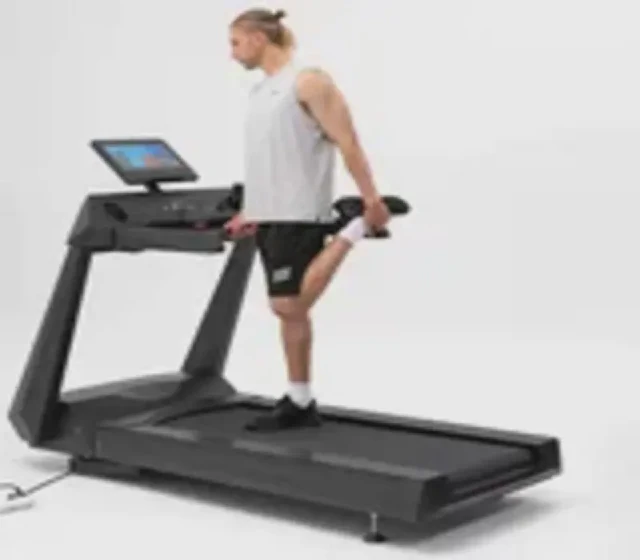
AC Motor Exercise Incline Motorized Sport Running Fitness Gym Treadmill Machine
- Displayed price
- US$ 930-950 / Piece
- MIC category
- Exercise Bike
Although this item appears in the supplied Exercise Bike category inventory, its product title identifies it as a motorised incline treadmill rather than an exercise bike. It is not a substitute for any of the three cycling formats in this comparison, but it is a useful reminder to verify the product type and full specifications before placing an order.
Best for Shoppers who are comparing home cardio categories and need to confirm that a listing matches their intended activity.
- Supplier: All Universe Fitness Technology (Qingdao) Co., Ltd.
- Displayed price: US$ 930-950 / Piece
- Product title identifies a motorised treadmill
Confirm before inquiry: This listing should be evaluated as a treadmill, not as evidence of an upright, recumbent or folding bike specification.
The supplied listing above is categorised in the Exercise Bike inventory but is titled as a motorised incline treadmill. It is not part of the upright-versus-recumbent-versus-folding bike choice. Always ask for current specifications and confirm the equipment type before you compare prices or place an order.
Your first few rides: keep the bar low
Whichever format you choose, begin with 10 to 15 minutes at an easy pace where conversation remains possible. Aim for smooth pedalling rather than a calorie target, a leaderboard or a hard resistance setting. Repeat that session two or three times in the first week. If it feels comfortable, add five minutes or a small amount of resistance later.
Stop if you experience chest pain, dizziness, unusual shortness of breath, sharp joint pain or symptoms that concern you. If you have a medical condition, are returning after injury, have balance concerns or are unsure what level of activity is appropriate, speak with a qualified healthcare professional before beginning an exercise programme.
The simplest conclusion is also the most useful: pick recumbent for maximum seated reassurance, folding for minimum storage burden, and upright for a conventional cycling feel in a relatively compact package. A gentle bike routine does not need to look athletic to be worthwhile. It only needs to be comfortable enough to repeat.
This article offers general information, not medical advice. Adjust activity to your experience and seek qualified guidance when needed.
FAQ
Which exercise bike is easiest for a complete beginner?
For many complete beginners, a recumbent bike is the least intimidating because it has a supportive seat, backrest and front-positioned pedals. But a folding upright can be the easier choice to live with if space is limited, while a standard upright works well for people comfortable sitting in a conventional bicycle-style position.
Is a recumbent bike better than an upright bike for bad knees?
Both formats are generally low-impact compared with running, but the right option depends on the person, the bike setup and the underlying cause of pain. A recumbent design may feel more supportive and less demanding on the back for some riders. If knee pain is persistent, severe or follows an injury, seek advice from a qualified clinician before starting or changing exercise.
Are folding exercise bikes stable enough?
They can be stable enough for relaxed seated pedalling when assembled correctly and used within their stated limits. However, folding models are commonly lighter and less rigid than full-size bikes. They are usually best treated as seated, low-to-moderate intensity machines rather than bikes for standing efforts or aggressive sprinting.
How much room does an exercise bike need?
Measure the bike's assembled footprint, then allow clearance for mounting, dismounting and moving around it. Recumbent bikes usually need more length than upright designs. A folding bike saves storage space, but still needs a safe, level area when open.
What is a sensible first exercise-bike workout?
Start with 10 to 15 minutes of easy pedalling at a resistance that lets you speak in full sentences. Repeat a few times a week, then add a few minutes or a small resistance increase only when the current session feels manageable.