
Upright vs Recumbent vs Folding Exercise Bikes: Which Is Best for Beginners at Home?
A practical comparison of upright, recumbent and folding exercise bikes to help beginners choose for comfort, confidence, storage space and sustainable home workouts.
If you want the simplest answer, choose a recumbent bike when comfort, back support and easy access are your priorities; choose an upright bike when you want a compact, familiar cycling feel and more scope to increase intensity; choose a folding bike when your home cannot spare permanent floor space. The best exercise bike for beginners at home is not automatically the hardest-working model. It is the one you can get on safely, fit correctly and use often.
A first home bike should remove barriers rather than create them. That means thinking beyond resistance levels and screens. Can you reach the pedals without awkward twisting? Does the seat make a 15-minute ride realistic? Will the bike stay out, or must it be folded and moved after every session? These questions usually decide whether a new routine lasts.
The three formats at a glance
| Format | Best starting point for | Main advantage | Main compromise |
|---|---|---|---|
| Recumbent | Riders wanting support, easy access or a relaxed position | Large seat, backrest and usually low step-through entry | Takes the most floor space |
| Upright | Riders comfortable with a standard bike-like posture | Compact fixed frame and broad training potential | Smaller saddle and more weight through the torso |
| Folding | Small apartments and multipurpose rooms | Stores away between workouts | Often less stable and less adjustable for harder riding |
All three are low-impact ways to build cardiovascular fitness. The meaningful difference is not whether one format is inherently “better” exercise. It is how your body, home and routine respond to it.
Recumbent bikes: the comfort-first choice
A recumbent bike places you in a reclined, chair-like position, with the pedals in front of you rather than beneath you. Most have a broad seat and backrest. For a beginner who feels uneasy climbing onto a narrow saddle or balancing while settling into position, that design can feel immediately more approachable.
Mounting and dismounting is often the strongest argument for recumbent bikes. A low step-through frame generally lets you step through, sit down and then place your feet on the pedals. That can be useful if balance, stiffness or confidence is a concern. The backrest also reduces the need to support your torso continuously with your arms and core.
The trade-off is space. Recumbent bikes are longer front to back than most uprights, commonly requiring a dedicated location rather than a gap beside the sofa. Do not measure only the machine itself: leave enough clearance to step in, sit down and get off without catching furniture. A bike that technically fits but blocks a route through the room is unlikely to stay convenient.
Recumbents can support meaningful steady rides, but their relaxed position may not suit someone who wants to stand on the pedals, mimic road cycling or do frequent sprint-style intervals. They are a strong choice for easy, repeatable sessions: perhaps 10 to 20 minutes at a conversational effort, increasing duration gradually.
Upright bikes: compact and familiar, with more fit to manage
An upright exercise bike resembles the seated position of an ordinary bicycle, though some models lean more towards a fitness-bike or indoor-spinning setup. It usually occupies less floor length than a recumbent machine and is often the sensible middle ground for a home with limited but permanent space.
The posture can feel natural to people who already cycle outdoors. You sit above the pedals, support part of your weight through the saddle, and lean forward to the handlebars to varying degrees. This gives an upright bike a more active feel, and it can make gradual progression straightforward: increase resistance, add a few minutes, or introduce short controlled efforts once basic comfort is established.
That same posture can expose poor setup. A saddle that is too low can make each pedal stroke cramped; one that is too high can cause rocking at the hips. Handlebars that are too far away may leave you reaching and loading your wrists, shoulders or lower back. Beginners should prioritise a model with sufficient seat-height adjustment and, ideally, handlebar adjustment rather than assuming all upright bikes fit the same.
Spinning-style uprights may be sturdy choices for a dedicated workout corner, but their sportier shape does not make them automatically beginner-friendly. Check whether the saddle, pedals and handlebar reach work for you at an easy pace. You do not need to ride standing up to benefit from an upright bike.
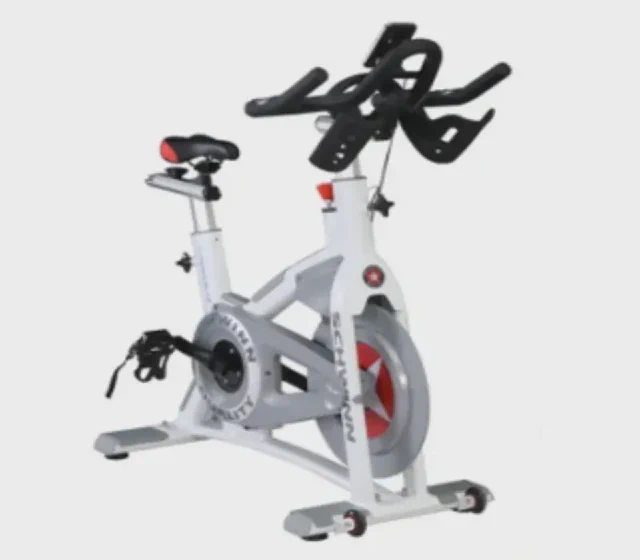
2024 Popular Schwinn Commercial Spinning Bike with LED Monitor
- MIC category
- Exercise Bike
This supplier listing is for a commercial-style spinning bike with an LED monitor. Its upright format is the closest match for a beginner who wants a fixed home training position and expects to build towards longer or more demanding rides. Before choosing a spinning-style bike, confirm saddle and handlebar adjustment, pedal type, resistance control, overall dimensions and whether the riding position feels manageable for your flexibility.
Best for Beginners with dedicated floor space who want an upright cycling format and potential progression beyond gentle rides.
- Listed as an indoor spinning bike
- LED monitor is named in the supplier listing
- Upright, fixed-frame format
Confirm before inquiry: The product title and features are supplier-listing claims. No price, sizing, resistance specification or warranty detail was provided in the approved listing data.
Folding bikes: the answer when storage is the real obstacle
A folding exercise bike is usually an upright or semi-recumbent design with a central hinge. It is built for people whose workout area must become a living room, bedroom or work space again afterwards. If a full-size bike would stop you using the room normally, the ability to fold and roll the machine away can be more valuable than extra training features.
However, assess a folding bike in both positions. Its folded dimensions matter, but so do its in-use footprint, storage height and weight when you have to move it. Some fold compactly but remain awkward to lift over a threshold or turn through a narrow doorway. Transport wheels help only if the route is smooth and clear.
Folding frames can be excellent for gentle to moderate rides, yet many are lighter and offer fewer resistance levels than a fixed upright. That is not a defect if your goal is regular movement. It simply means that riders who expect hard intervals, high resistance or frequent standing may prefer the stability of a non-folding upright. Inspect the stated user-weight limit, hinge arrangement, adjustment range and resistance system before buying.
Some folding models include a small backrest or alternate seating position. These can be appealing, but avoid assuming “semi-recumbent” offers the same support and easy entry as a full recumbent bike. Compare the actual seat, backrest, frame opening and pedalling position.
How to decide in five practical checks
1. Try the movement, not just the idea. Imagine getting on while tired, wearing ordinary trainers and carrying a water bottle. If lifting a leg over a frame feels doubtful, lean towards a low-entry recumbent or a step-through upright design.
2. Measure the whole route. Record the room area, doorway width, tight turns and the place where a folded bike would live. For an upright or recumbent, measure the working footprint and safe access space, not just the manufacturer’s base dimensions.
3. Put adjustment ahead of presets. A basic display is fine for most beginners. Seat height, fore-and-aft saddle position where available, handlebar reach, pedal straps and level feet are more likely to affect whether the bike feels usable.
4. Match the bike to the routine you will actually do. A recumbent beside the television can make a 30-minute evening ride easy. A folding bike may suit a 15-minute morning session before work. An upright in a dedicated corner may encourage a more structured plan. There is no prize for choosing the format that looks most athletic.
5. Plan a gentle first month. Start with a resistance that lets you pedal smoothly and speak in full sentences. Try three short rides a week, then add a little time before chasing intensity. Keep the bike stable on a level surface, secure loose clothing and use footwear that will not slip from the pedals.
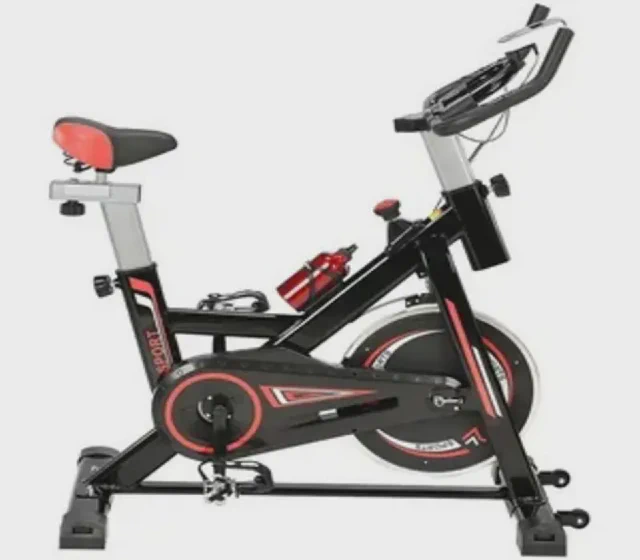
Factory Cheap Price Exercise Bike Indoor Spinning Bike for Home Body Building
- MIC category
- Exercise Bike
This listing is described as an indoor spinning bike for home body building, making it another upright-format option rather than a recumbent or folding model. For a beginner, the important questions are practical: can the saddle reach a comfortable height, can the handlebars be adjusted, does the frame sit securely on your floor, and can you maintain an easy pace without leaning heavily through your wrists?
Best for Home riders who prefer a conventional upright cycle and have a permanent spot for it.
- Listed as an indoor spinning bike
- Home-use wording appears in the supplier listing title
- Fixed upright format
Confirm before inquiry: The approved listing data does not provide verified dimensions, folded storage capability, resistance type, price or adjustment specifications. Confirm these directly before purchase.
A note on product categories and listings
Online category pages can contain mismatches, so verify the product type before comparing specifications. One approved listing in this inventory is titled as a motorized incline treadmill, despite appearing in the supplied exercise-bike category. It should not be considered an alternative to an upright, recumbent or folding bike.
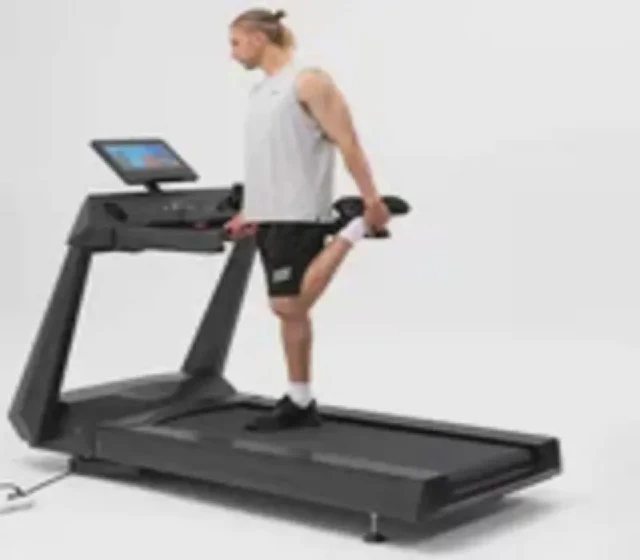
AC Motor Exercise Incline Motorized Sport Running Fitness Gym Treadmill Machine
- Displayed price
- US$ 930-950 / Piece
- MIC category
- Exercise Bike
Although this item appears in the supplied Exercise Bike category inventory, its title identifies it as an incline motorized treadmill. It is therefore not a like-for-like choice in an upright, recumbent or folding bike comparison. Treat it as a useful reminder to verify the product title, images and full specifications rather than relying on a category label alone.
Best for Shoppers specifically looking for a motorized walking or running machine rather than a stationary bike.
- Supplier listing title identifies a motorized incline treadmill
- Displayed price: US$ 930-950 / Piece
- Listed under the supplied Exercise Bike category inventory
Confirm before inquiry: This is not presented as an exercise-bike recommendation. The displayed price is a supplier-listing fact and may not represent a final consumer purchase price.
The sensible beginner verdict
Pick a recumbent bike if your main thought is, “I need this to feel safe and comfortable enough to use.” Pick a fixed upright if you have a reliable spot for it and want a more traditional cycling experience with room to progress. Pick a folding bike if lack of storage is the one issue most likely to derail your habit.
If you are returning to activity after injury, live with persistent joint or back pain, have balance concerns, or are unsure what level of effort is appropriate, speak with a qualified healthcare professional before beginning. A well-fitted bike and gradual progression are helpful, but they do not replace individual medical guidance.
This article offers general information, not medical advice. Adjust activity to your experience and seek qualified guidance when needed.
FAQ
Which is the best exercise bike for beginners at home?
There is no universal winner. A recumbent bike is often the easiest starting point for people who want back support, a wide seat and low step-through access. An upright bike suits beginners who are comfortable on a regular bicycle and want a more compact, versatile setup. A folding bike is best when storage is the deciding factor.
Are recumbent bikes easier to get on and off?
Usually, yes. Many recumbent bikes use a low step-through frame and have a chair-like seat, so the rider can sit down before positioning their feet on the pedals. Designs vary, so check the actual frame opening and pedal position on the model you are considering.
Do folding exercise bikes provide a proper workout?
They can. A folding bike can support steady cardiovascular sessions and gradual resistance progression, particularly for a new exerciser. However, many have a lighter frame, fewer resistance levels and a narrower adjustment range than a fixed upright bike, making them less suited to hard sprints or frequent out-of-saddle riding.
How much room should I leave around an exercise bike?
Use the manufacturer's dimensions as the final word, then allow room to mount, dismount and move safely. As a general planning guide, leave clear space at the sides and behind the bike rather than pushing it tightly against furniture. Also measure doorways, turns, lifts and storage areas before delivery.
Can I use an exercise bike if I have knee, hip or back pain?
Stationary cycling is low impact, but the right position and resistance still matter. A recumbent format may feel more supportive for some people, while others prefer an upright position. If you have pain, a recent injury, balance concerns or a medical condition, seek advice from a qualified clinician before starting or changing your exercise routine.