Yoga Mat vs Yoga Towel vs Cork Block: What Beginners Need for a Comfortable Home Practice
A practical guide to choosing the best beginner yoga equipment for home, from a non-slip mat and grip towel to cork blocks and a simple yoga strap.
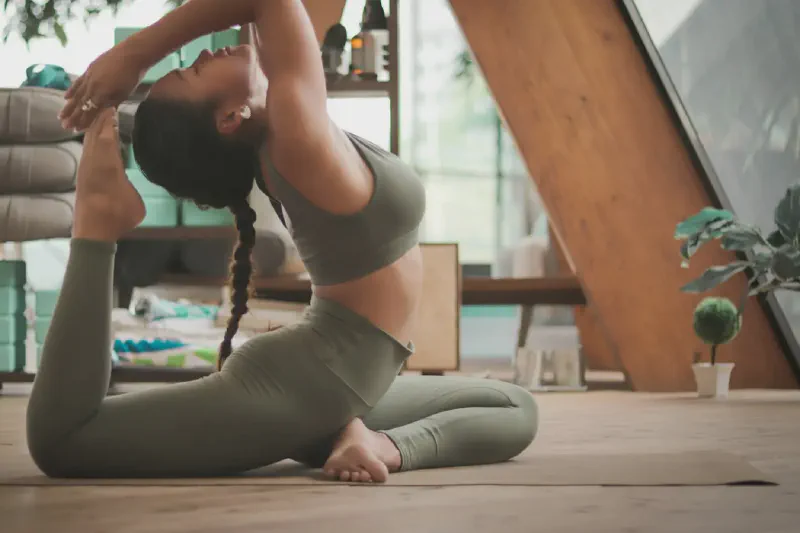
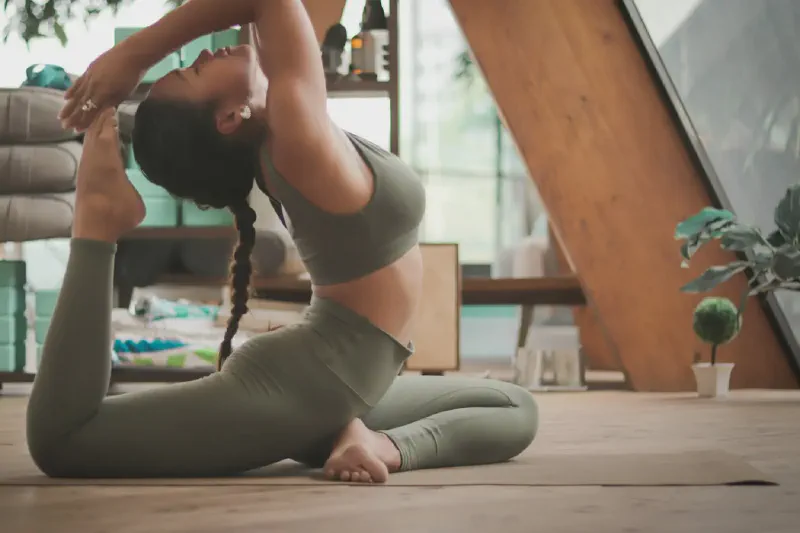
You do not need a full collection of yoga accessories to begin at home. For most people, the best beginner yoga equipment for home is one non-slip mat. Add cork blocks if reaching the floor changes your posture or makes you strain, add a strap if flexibility limits comfortable hand-to-foot contact, and buy a yoga towel only if sweat is making your practice slippery. The right choice depends less on buying “better” gear and more on your floor, storage and the kinds of poses you want to practise.
Start with the surface beneath you
A yoga mat is the foundation because it does three jobs at once: it separates you from the floor, offers a consistent amount of grip and gives modest cushioning for knees, hips and spine. It is the only item in this comparison that most beginners will use in nearly every session.
On hard flooring, such as tile, laminate, wood or concrete, a mat with meaningful cushioning can make kneeling lunges, tabletop, low lunge and lying positions far more comfortable. That does not mean the thickest mat is automatically best. A very plush surface can feel unstable under a standing foot, particularly when you are learning balance poses such as Tree Pose or Warrior III. Seek a mat that feels secure under hands and feet first, then choose cushioning appropriate to your joints and floor.
Carpet changes the equation. A mat on low-pile carpet can still give you a cleaner, more predictable practice surface, but it may move slightly or feel soft in balancing poses. On deep carpet, the mat can sink and wobble. Try to practise in the firmest available area of the room, and keep the mat flat rather than placing it over rugs that can shift. If carpet is your only option, use a stable wall or chair nearby for balance support rather than forcing difficult standing variations.
For limited storage, a standard roll-up mat is still the simplest answer. Measure the available floor before ordering anything: you need room to lie down with your arms overhead, extend into a lunge and step from front to back without knocking furniture. A clear, repeatable practice spot is often more valuable than another accessory.
When a yoga towel makes sense
A yoga towel is a specialist layer, not a mandatory starter purchase. It is usually placed on top of a mat to absorb sweat and create a more dependable surface as moisture builds. It can be helpful for hot yoga, vigorous vinyasa, humid rooms or anyone whose hands and feet become slippery during practice.
The key limitation is that a towel does not provide the support of a mat. An ordinary bath towel may crease, slide or bunch under your hands. Even a purpose-made yoga towel works best when paired with a mat beneath it. If your current problem is that your palms slide on a dry floor, a towel is unlikely to solve it; the issue may be the surface beneath you, the mat’s grip or hand placement.
A towel can also be a practical hygiene and laundry tool if several people share a mat, or if you prefer an easily washable top layer. But it adds one more item to wash, dry and store. For low-sweat beginner sessions, you can usually wait until you know you need one.
Why cork blocks help beginners progress without forcing range
Blocks are not a sign that you are doing yoga “the easy way.” They are tools that shorten the distance between your body and the floor. In a standing forward fold, placing hands on blocks lets you lengthen your back rather than rounding aggressively to reach the ground. In a lunge, blocks can bring the floor closer for your hands. In seated poses, sitting on a block may tip the pelvis into a more comfortable position.
Cork blocks are firm and relatively weighty compared with foam options. That firm base can feel reassuring when you place a hand on a block in a lunge or use it beneath a foot in a supported variation. Cork also tends to stay put once positioned. The trade-off is that it is harder than foam, so it may feel less comfortable against a sensitive back, hip or knee, and it is less pleasant to drop on a hard floor.
Two blocks provide the most options because yoga is often symmetrical: one for each hand in a fold, or one under each side of the body in a restorative position. Yet one block is enough to discover whether you use it regularly. If storage is tight, blocks stack neatly under a bed or on a shelf, though they are bulkier than a strap.
Use blocks to make poses steadier, not to push yourself deeper. The goal is a version of the shape in which you can breathe evenly and maintain control. If a position causes sharp pain, numbness, dizziness or worsening symptoms, come out of it and seek individual guidance from a qualified health professional when appropriate.
The yoga strap: small, inexpensive and often overlooked
A strap is useful when your hands cannot comfortably reach a foot, or when clasping hands behind your back causes you to twist, hold your breath or strain your shoulders. It effectively extends your reach in seated hamstring stretches, reclined leg stretches and shoulder-mobility positions.
A strap should create gentle connection, not leverage for forcing a stretch. Keep some slack available and use it to maintain a long, comfortable spine. If you are tempted to pull hard enough that your shoulders lift or your knee locks, ease off. A strap takes almost no storage space, which makes it a sensible addition for beginners working on flexibility in a small home.
Choose your setup by room and goal
Hard floor and tender knees: Begin with a supportive non-slip mat. Add blocks if reaching down feels unstable. Consider a folded blanket under knees for short periods if needed, rather than assuming a towel will cushion you enough.
Carpeted room: Start with a grippy mat on the flattest, firmest carpeted area. Use a wall or sturdy chair as a balance aid if the surface feels soft. A towel is usually unnecessary unless sweat is the issue.
Very limited storage: Choose a mat you can roll and store vertically, plus one strap. Add one or two blocks later if your practice shows you need them. This is more realistic than filling a small room with equipment before establishing a routine.
Tight hamstrings or restricted flexibility: A mat, two blocks and a strap are a useful trio. Blocks make the floor more accessible; the strap helps when your hands cannot reach without collapsing posture.
Hot or sweaty practice: Use a mat first, then add a yoga towel as a top layer when sweat reduces grip. Keep a separate small hand towel nearby if that is all you need.
A note on Pilates reformers versus yoga accessories
The approved listings in this category include Pilates reformers, but these are not beginner substitutes for a yoga mat and accessories. They are large, spring-based machines designed for a different style of exercise and typically require considerably more money, floor space and setup consideration.
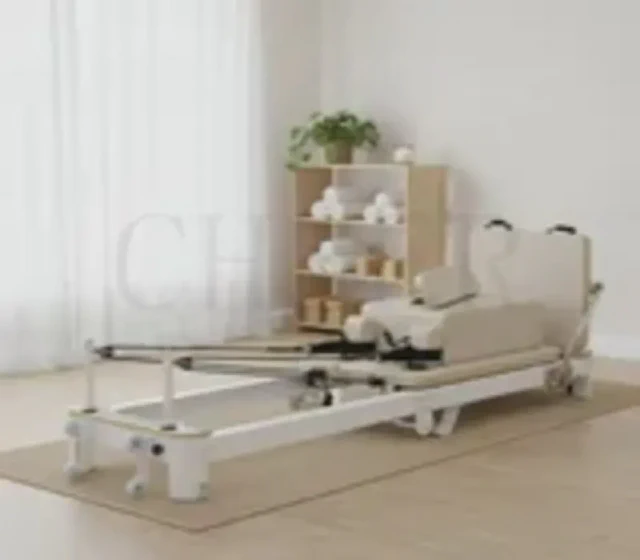
Aluminum Foldable Pilates Reformer Portable Folding Pilates Reformer Professional Pilates Reformer Pilates Reformer for Sale Fitness Pilates Reformer
- Displayed price
- US$ 710-790 / Piece
- MIC category
- Yoga Supplies
This is a Pilates reformer rather than beginner yoga equipment. The supplier listing from Beijing Cheer Fitness Equipment Co., Ltd. describes an aluminum, foldable professional Pilates reformer and displays a price of US$ 710-790 per piece. Folding may make a large machine more manageable between sessions, but it remains a fundamentally different commitment from rolling up a mat.
Best for People specifically seeking a dedicated Pilates reformer and who have confirmed they have suitable floor space, storage and instruction.
- Supplier listing describes an aluminum foldable Pilates reformer
- Displayed supplier-listing price: US$ 710-790 per piece
- Listed in the Made-in-China Yoga Supplies category
Confirm before inquiry: It is not a replacement for a yoga mat, towel, blocks or strap. Check the supplier's current specifications, assembly details and suitability before purchasing.
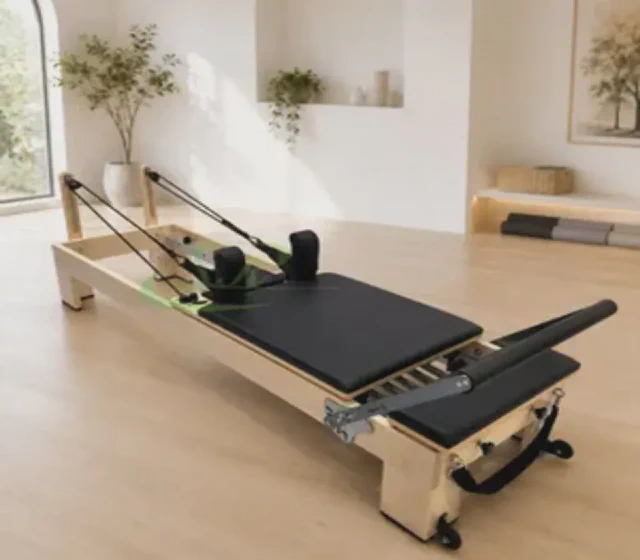
The Maple Wood Pilates Reformer Bed listed by Dezhou Senrui Fitness Equipment Co., Ltd. belongs to the specialist Pilates-machine category, not the compact accessory category covered by this beginner yoga comparison. A reformer can support a separate Pilates practice, but its footprint, setup and storage demands are far beyond what is needed to begin yoga at home.
Best for A home or professional setting intentionally equipped for reformer-based Pilates rather than a simple yoga practice.
- Supplier listing identifies the product as a Maple Wood Pilates Reformer Bed
- Listed by Dezhou Senrui Fitness Equipment Co., Ltd.
- Appears in the Made-in-China Yoga Supplies category
Confirm before inquiry: No price, dimensions, material specifications beyond the product name, or other purchase details are stated here. Confirm all current product information directly with the supplier.
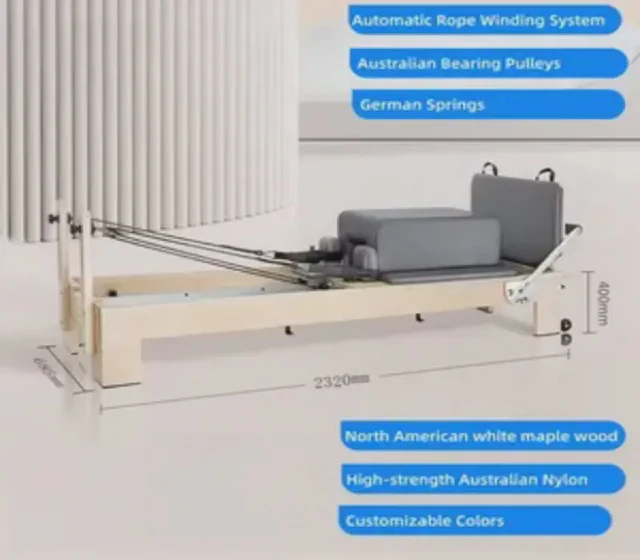
Premium Maple Pilates Reformer with German Springs for Total Body Fitness
- MIC category
- Yoga Supplies
This Premium Maple Pilates Reformer with German Springs for Total Body Fitness is listed by TIANJIN SWOCH TECHNOLOGY CO., LTD. Its supplier-provided name indicates a spring-based Pilates reformer format. That makes it relevant only if your goal extends beyond a floor-based yoga setup; beginners deciding between a mat, towel, blocks and strap should not feel they need a machine to start practising.
Best for Users researching a dedicated reformer-based Pilates setup after considering space, budget and appropriate instruction.
- Supplier listing names maple construction and German springs
- Listed by TIANJIN SWOCH TECHNOLOGY CO., LTD.
- Categorised under Made-in-China Yoga Supplies
Confirm before inquiry: The product name is a supplier-listing claim. Verify current specifications, safety requirements, resistance options and installation needs before making a purchase decision.
For a comfortable home yoga practice, spend first on the item that addresses your immediate barrier. If the floor is uncomfortable, choose a mat. If you are slipping with sweat, add a towel. If the floor feels out of reach, choose blocks. If flexibility makes holds awkward, add a strap. That approach keeps the setup modest, useful and easier to live with.
This article offers general information, not medical advice. Adjust activity to your experience and seek qualified guidance when needed.
FAQ
What is the best beginner yoga equipment for home?
For most people, it is a non-slip yoga mat and enough clear floor space. Add two blocks if forward folds, seated poses or balance work feel inaccessible. A strap is an inexpensive next addition for flexibility work, while a yoga towel is mainly for sweat and grip.
Do beginners need yoga blocks?
Not necessarily, but they are among the most useful accessories for beginners. Blocks raise the floor toward you in standing folds, lunges and seated positions, so you can work with steadier alignment instead of straining to reach.
Can I use a towel instead of a yoga mat?
Usually no. An ordinary towel can bunch or slide, especially on a smooth floor. A purpose-made yoga towel may improve traction when placed over a mat, but it generally does not provide the cushioning or stable base of a good non-slip mat.
Is a thicker yoga mat always better?
No. Extra thickness can make kneeling and lying poses more comfortable on a hard floor, but a very soft mat may feel less steady in standing balance poses. Look for a balance of cushioning, grip and stability.
Are cork blocks better than foam blocks?
Cork blocks are firmer and heavier, which can feel stable and substantial in weight-bearing poses. Foam blocks are lighter, softer and often easier to carry. Neither is universally better; comfort, stability and storage matter more than material alone.